Although the history of furnishing living spaces reaches back to antiquity, the profession of interior designer is officially only a little over 100 years old. Few people realise that it was mainly women who created and popularised it!
Contrary to appearances, the first women designers were not merely decorators of a reality created by men. They focused most of their attention on form, functionality and on… building their personal brands. They backed themselves, boldly emphasised their individual style and supported one another. Independent, bold, wickedly talented: meet the women we owe our profession to.
Elsie de Wolfe, or life begins at forty
The profession of interior designer was invented by Elsie de Wolfe – declared The New Yorker at the beginning of the 20th century, and everything suggests that the editors of the popular weekly were not just throwing words around.
In 1905, Elsie de Wolfe became the first person in the world to sign a contract to decorate a house, and so became the first professional woman designer. Who was this extravagant woman who, past forty, decided to turn her professional life upside down and earned a permanent place in the history of architecture?
Born into a wealthy family, Elsie grew up first in New York and later in Scotland, where she had the chance to meet Queen Victoria. Pretty much the story of most of us, you could say. Fascinated by the theatre, she first performed with amateur groups and later, once she had gained experience, as a professional actress on big stages. While Elsie's acting skills never caused much of a stir, the outfits she performed in were always widely talked about.
Haute couture interiors
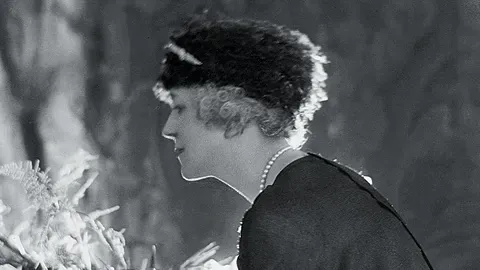
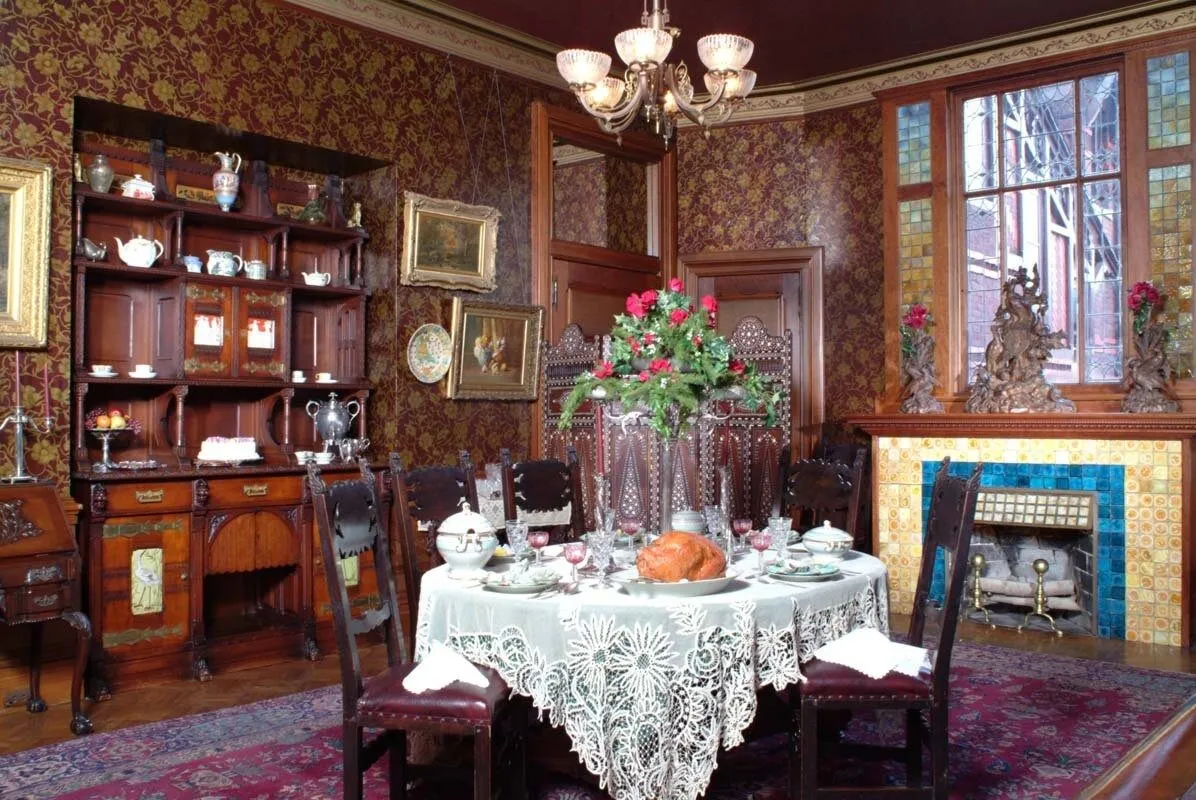
De Wolfe was famous for putting together her own stage wardrobe, and since her taste was exquisite, she quickly won a loyal following of female fans. They wanted not only to look like her, but to live like her too: she decorated the interiors of her home in warm, light colours, getting rid of heavy furniture and excess knick-knacks. It is to her that we owe our farewell to Victorian interiors drowning in mahogany furniture and gloomy colours.
Seeing the potential not only to earn good money, but also to cement her position in society, Elsie gave up acting and devoted herself fully to design. In 1905 she was invited to decorate the Colony Club, an elite social club for women. There she made connections with the cream of New York society, and her client list came to include names such as Whitney, Astor and Vanderbilt, as well as the Duke and Duchess of Windsor.
Sister Parish takes matters into her own hands
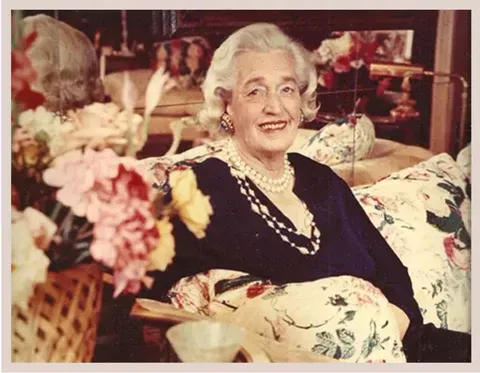
Sister Parish, or Dorothy May Kinnicutt, was, like de Wolfe, born into a well-to-do family. Her family had both distinguished connections and a sizeable fortune, and Miss Kinnicutt's wedding to the stockbroker Henry Parish was considered one of the most important events of New York society.
Dorothy's everyday life would probably have looked much like that of other rich Manhattan wives, had it not been for the Wall Street Crash of 1929. When the market collapsed, the fortunes of both her husband and her father literally evaporated. Dorothy, who until then had decorated the family estates as a hobby, decided to turn her passion into a profession instead of wringing her hands. She opened a small shop in New Jersey where, besides the chance to buy carefully selected furnishings, she also offered design services.
Keeping up appearances?
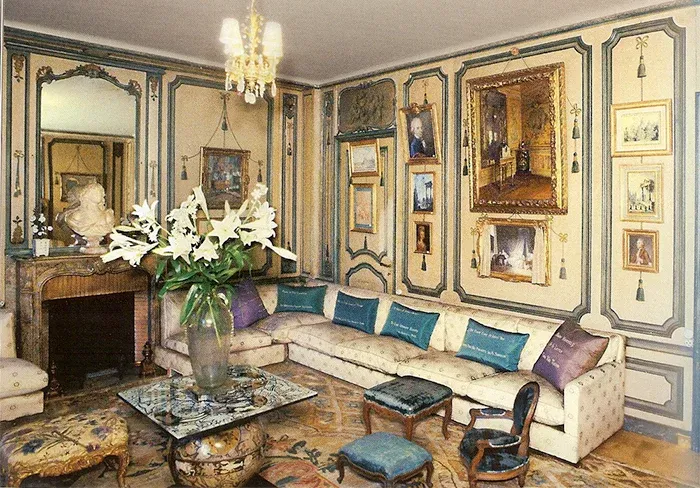
Sister Parish (as she called herself from then on) undoubtedly contributed to the popularity of the cottage style in the 1960s. Fed up with heavy, high-gloss wooden furniture (her father loved it and crammed it into every house), she brought openwork forms, floral fabrics in pastel colours and warm lighting into interiors. Wagging tongues claim that her ideas were the direct inspiration for Hyacinth Bucket's house in the cult series "Keeping Up Appearances", but frankly, we don't think the strong-willed Mrs Parish would have minded.
The designer was also known for rather unusual design methods. Above all she valued comfort and practicality, so before deciding to take on a job she would walk through the house and point out all the objects that, in her opinion, had to go. If the clients were ready to part with them, Parish agreed to work with them. Did her best-known clients, Jackie and John F. Kennedy, have to go through a similar procedure? We will probably never know…
Dorothy Draper - a celebrity with impeccable taste
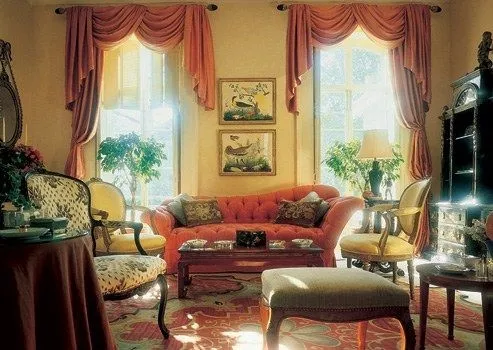
The 1939 book by Dorothy Draper opens by telling readers that interior design holds no deep mystery and that you don't need to know the intricacies of every style before you start: design is pure fun, a joy in colour and balance and in being around beautiful things. Draper was the woman who, it is said, "was to interior design what Chanel was to fashion". Strong words, but then she was a player in a league of her own.

The woman who turned the baroque inside out
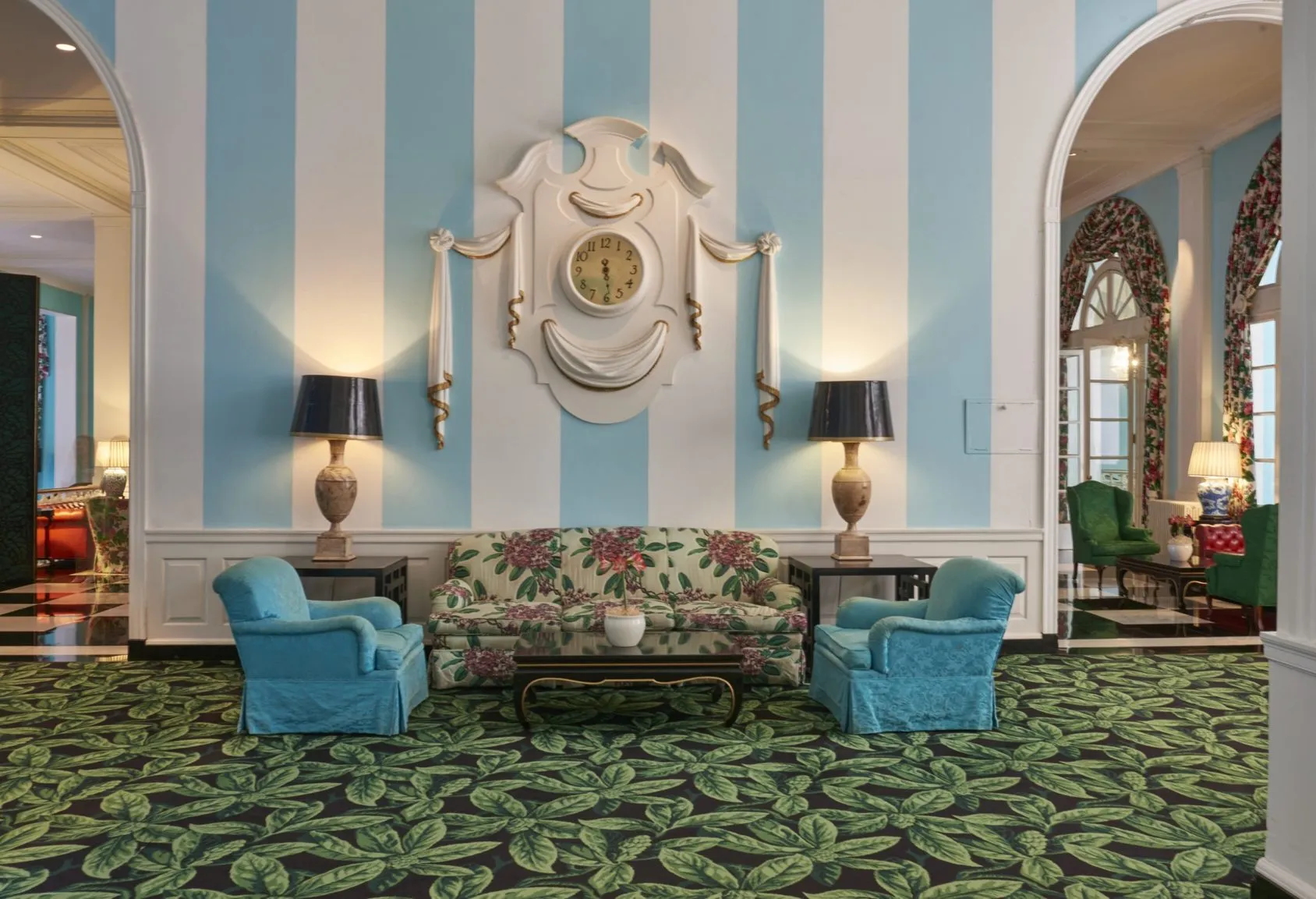
Full of life, Dorothy was just like her interiors - surprising and bold. She didn't give a fig for conventions and well-worn patterns, either in her personal life or at work. She combined classic furnishings with crazy colours and patterns that bring to mind the work of the Memphis Group. It was she who started the Preppy style in interiors, still popular today: she painted furniture pink, paired it with turquoise, orange and green, and used bold black-and-white stripes on floors and walls. Sounds like a prelude to pop art? Definitely!
The designer called her style "modern baroque", and if anyone thinks the "digital baroque" of the noughties was something innovative, they should definitely take a look at Draper's work. The designs of Starck, Kartell, Wanders - they all have their origins in the work of Dorothy Draper.
Edith Wharton: an outstanding writer who loved ergonomics
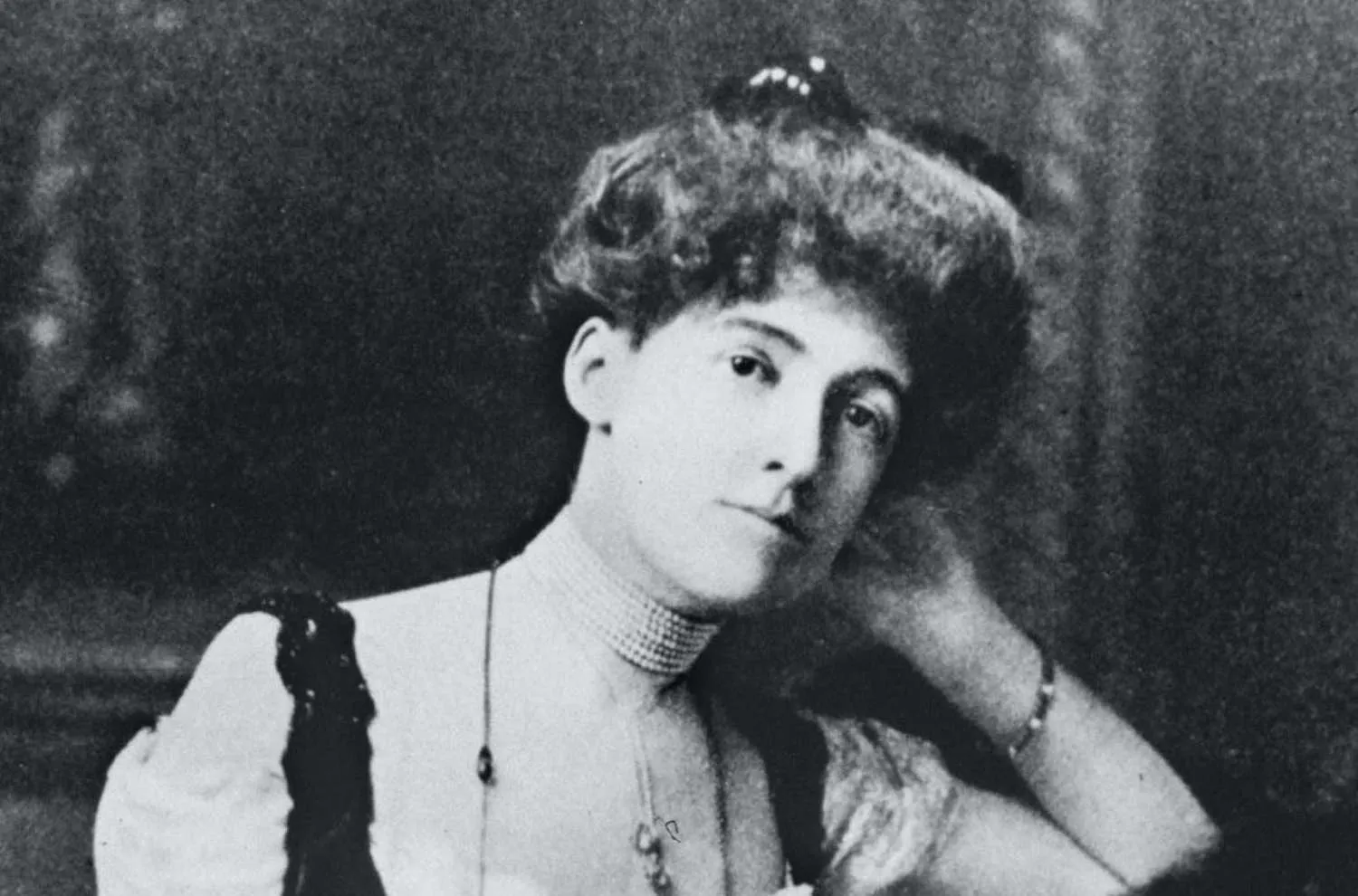
If the sound of this name brings to mind scenes from the unforgettable "The Age of Innocence", you're quite right. Edith Wharton was an outstanding American writer, nominated several times for the Nobel Prize and a winner of the Pulitzer Prize, who designed interiors and gardens after hours.
The author of perceptive novels of manners commenting on class life in America and Europe was known for her love of decorating. When furnishing her estates (first The Mount in Massachusetts and later the Land's End villa in Newport), Wharton drew on Italian and French influences.
Interior decoration cannot exist independently of structure
Interestingly, she put functionality and the fit of the designed objects with their surroundings above interior style, which was a rather unpopular approach at the time.
Rooms may be decorated in two ways: by a superficial application of ornament totally independent of structure, or by means of those architectural features which are part of the organism of every house, inside as well as out.
This is a quote from "The Decoration of Houses", the study Wharton wrote together with Ogden Codman. In the book, the authors discuss the principles of proportion, symmetry and functionality in every room of the house. Published in 1897 (and still widely read today), it is regarded as the world's first interior design guide.
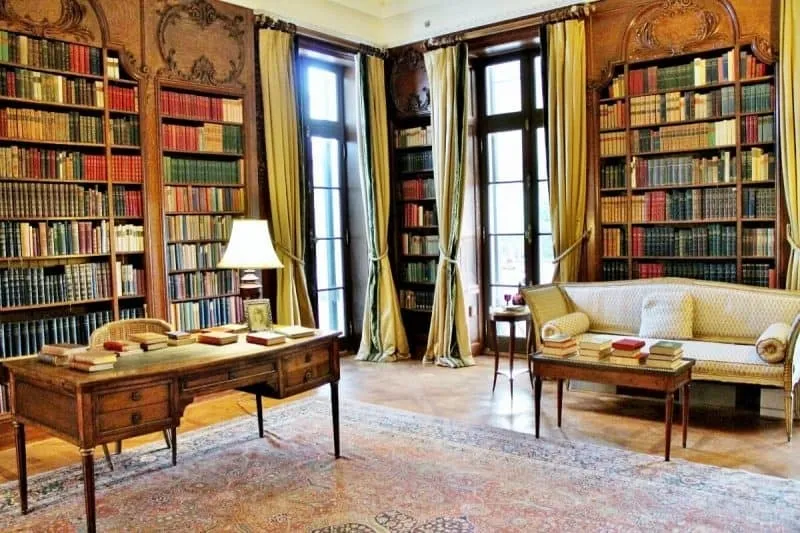
The first influencer: Ruby Ross Wood
Vogue columnist, author of industry publications, influencer in the field of interior decoration - Ruby Ross Wood developed her passion from her teenage years and worked her way to a position in the world of architecture. The journalist Mitchell Owens said this about her:
She was an anomaly compared with the other great decorators of her time. She was not a member of the international social elite, like Elsie de Wolfe. She was not a beautiful upper-class divorcée, like Dorothy Draper. And she was definitely not a dazzling kept woman, like Rose Cumming. Instead, Ruby Ross Wood - a chain smoker, impatient, with a sharp tongue - was what was called a 'working girl'
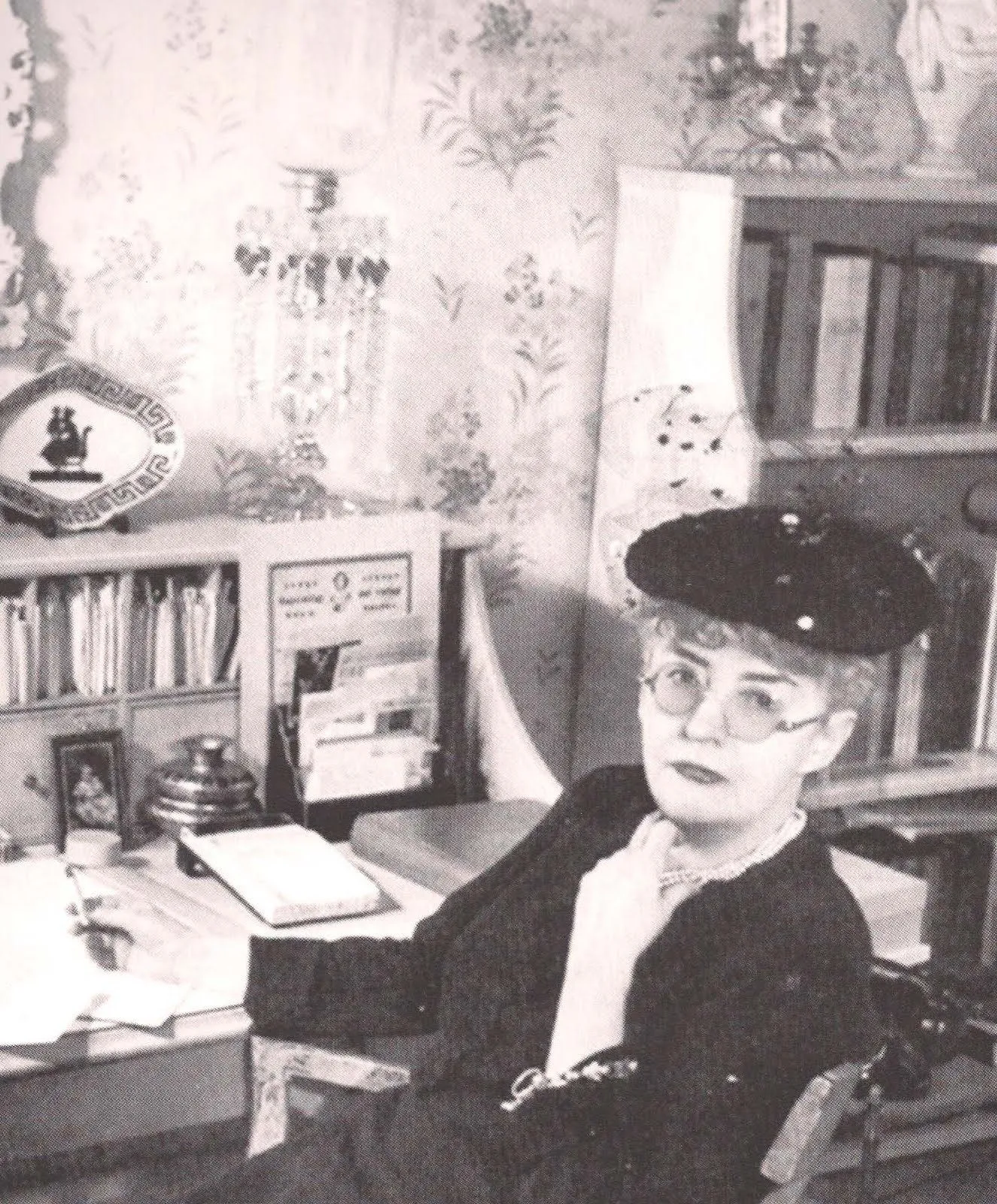
A working girl through and through
Rather than the elites, Ruby Ross much preferred artistic circles, which meant she kept her finger on the pulse when it came to trends. The well-known architect Neel Reid was her friend and she spent time with the designer Philip Shutze, but her most important acquaintance turned out to be the painter Edward H. Inman and his wife. The couple took Ruby under their wing as patrons of sorts, commissioning her to decorate their successive estates, including their residence in Ansley Park in 1909 and, later, their home in Buckhead. This is the famous Swan House, which has survived to this day almost unchanged.
Ruby Ross Wood's trademarks? Numerous references to the Wiener Werkstätte, a distinctive branch of geometric Art Nouveau, and Moroccan rugs in strong, graphic patterns. Something we still love today!
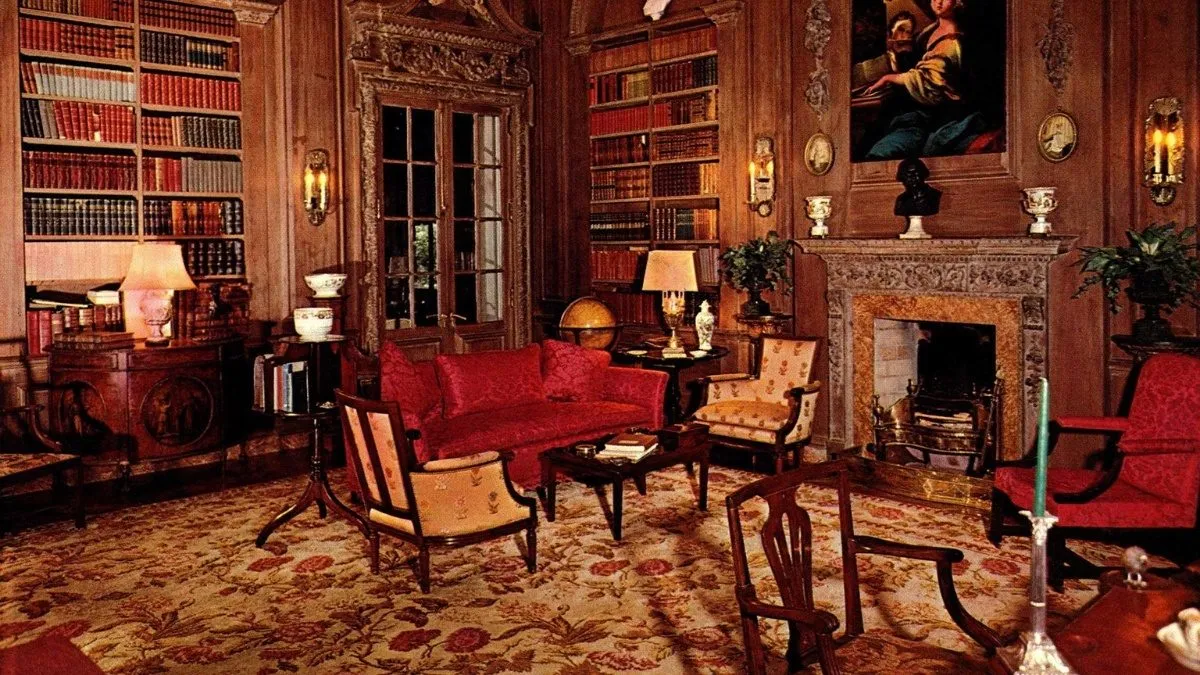
Syrie Maugham: minimalism in white
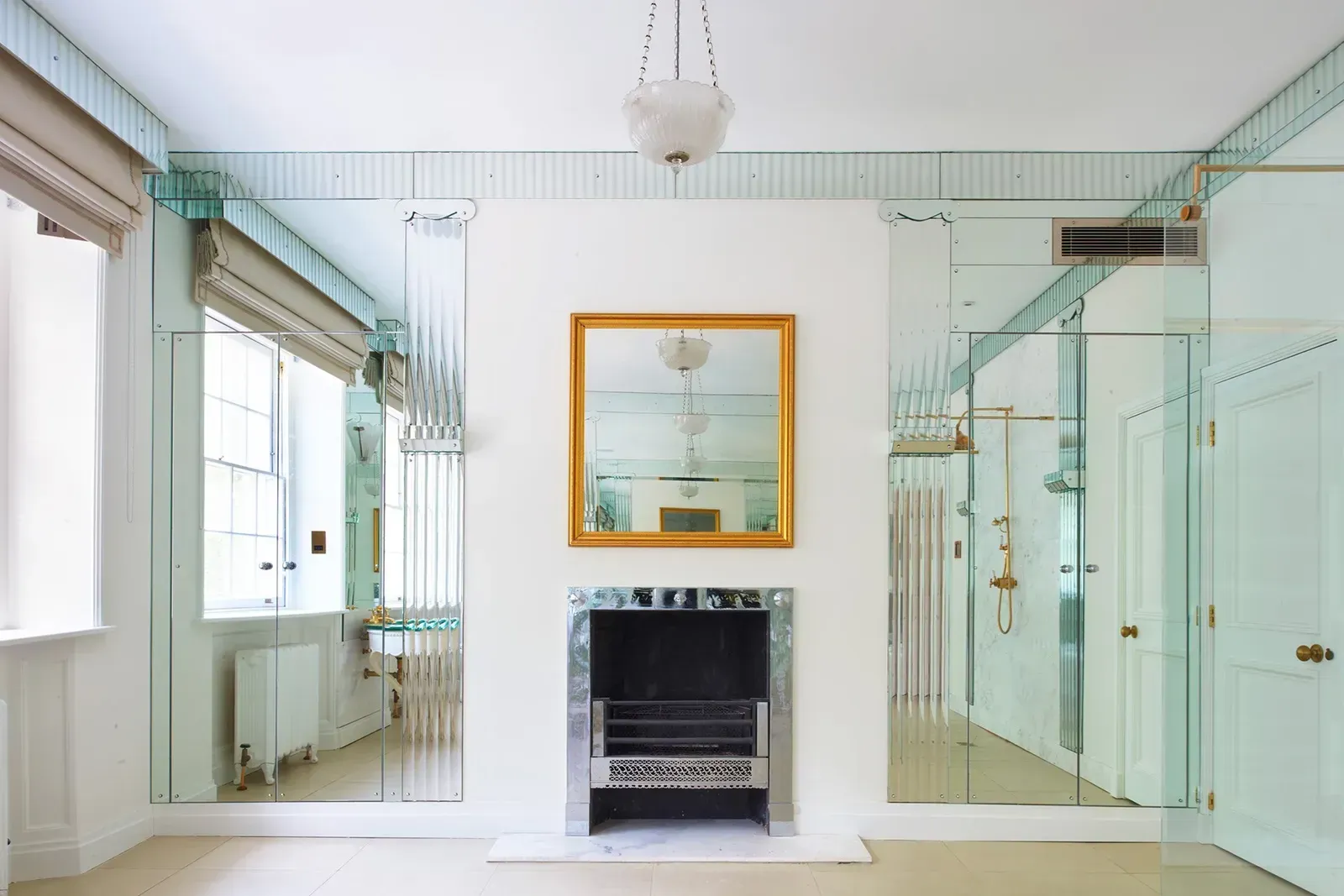
If you think simple, white interiors only appeared with the arrival of the minimalists, you may be very surprised… Shades from the off-white palette, huge mirrors and large, plain surfaces with almost no decoration were in fact the trademark of Syrie Maugham. This British designer and decorator was proposing ascetic interiors as early as the second decade of the 20th century!
Elegant and at the same time surprisingly restrained, they were a breath of truly fresh air at a time when most homes were still sunk in Victorian gloom. In design, Maugham could finally let her creativity run free and use the skills she had gained while working at the renowned decorating firm Thornton Smith. After decorating her own home in Regent's Park in London, Maugham created a place that combined a shop and a studio - Syrie Ltd.
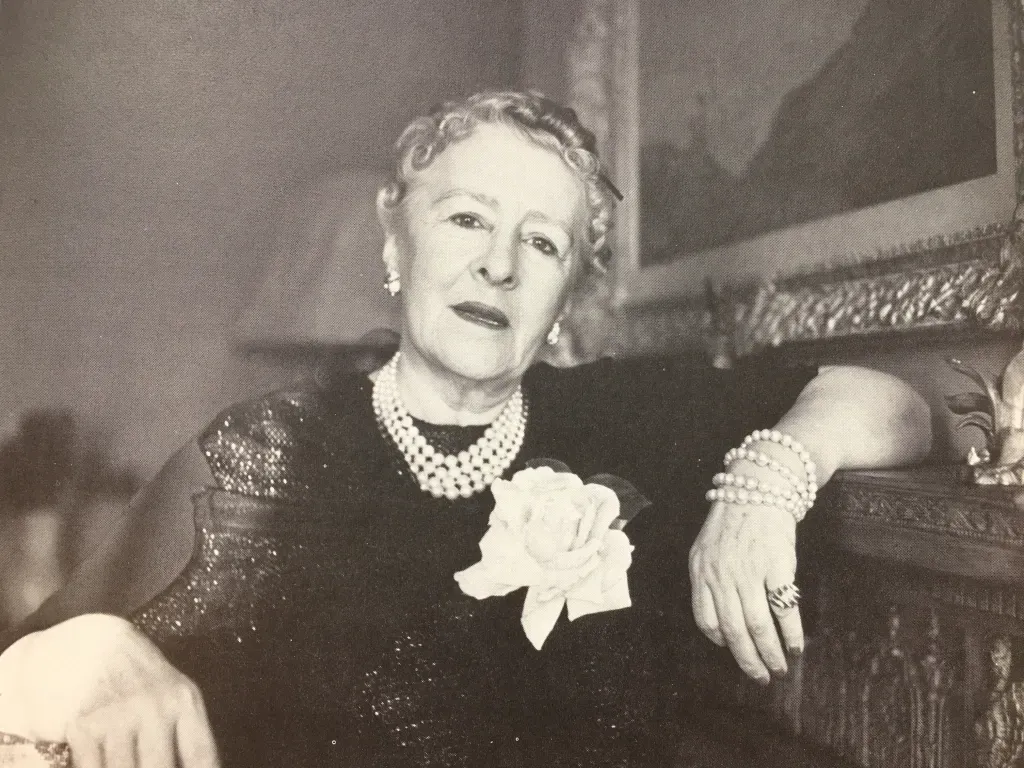
Off-white conquers the world
The shop (or rather the showroom) offered an eclectic collection of bleached and painted Regency furniture, oriental ornaments, antiques, French fabrics, crystal lamps and avant-garde rugs by Marion Dorn. This signature mix (which today we would call Quiet Luxury) became part of a new style: Vogue Regency.
By 1930 Maugham had become so popular that, alongside her London design studio, she also opened branches in Chicago and New York. Her clients were the biggest celebrities: Wallis Simpson, Elsa Schiaparelli, Babe Paley and Bunny Mellon…
Syrie Maugham is definitely more than a recognisable style - she is the symbol of a woman who forged her own path in life at a time when that was unthinkable.
Madeleine Castaing: there is method in this madness
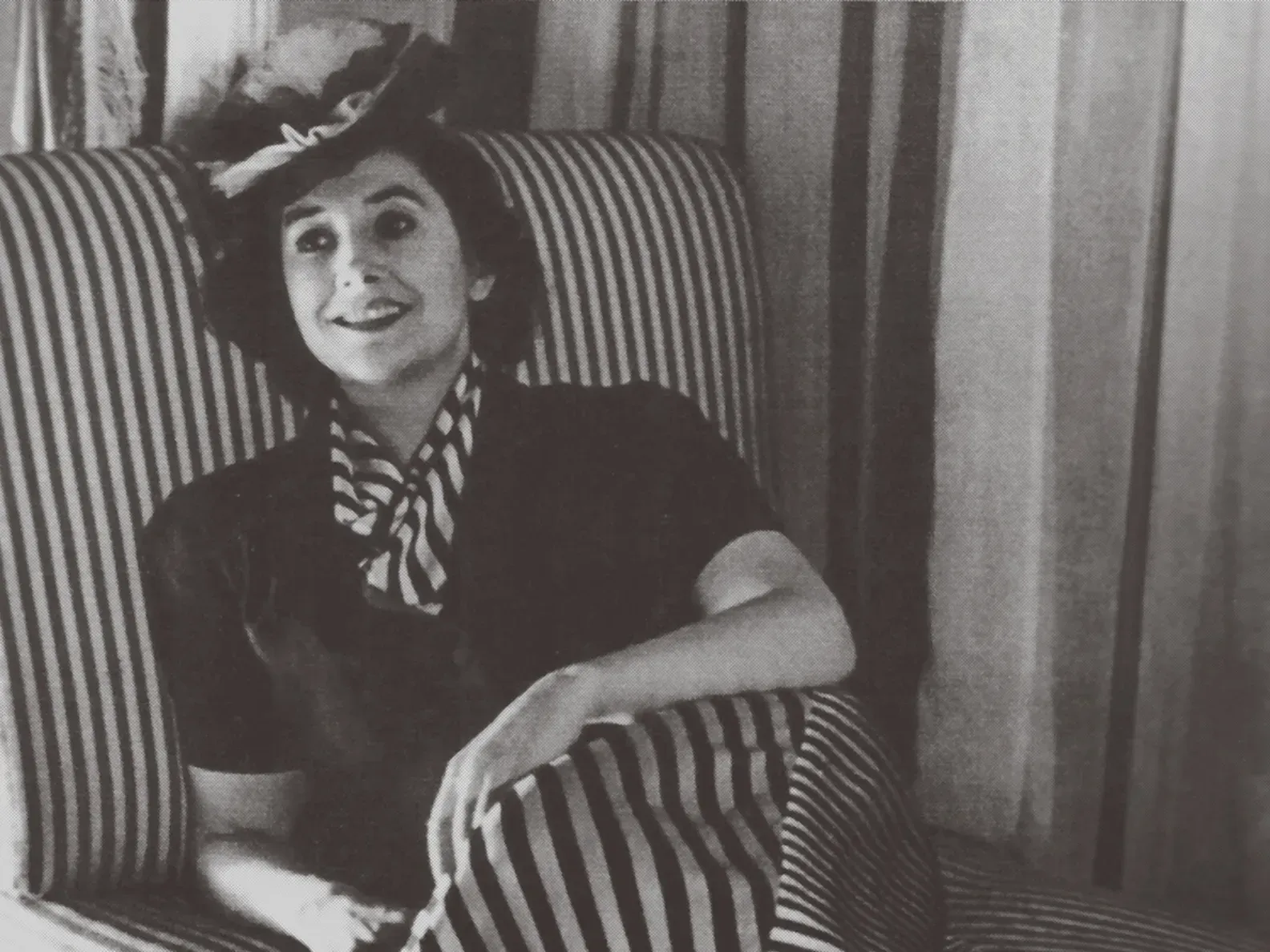
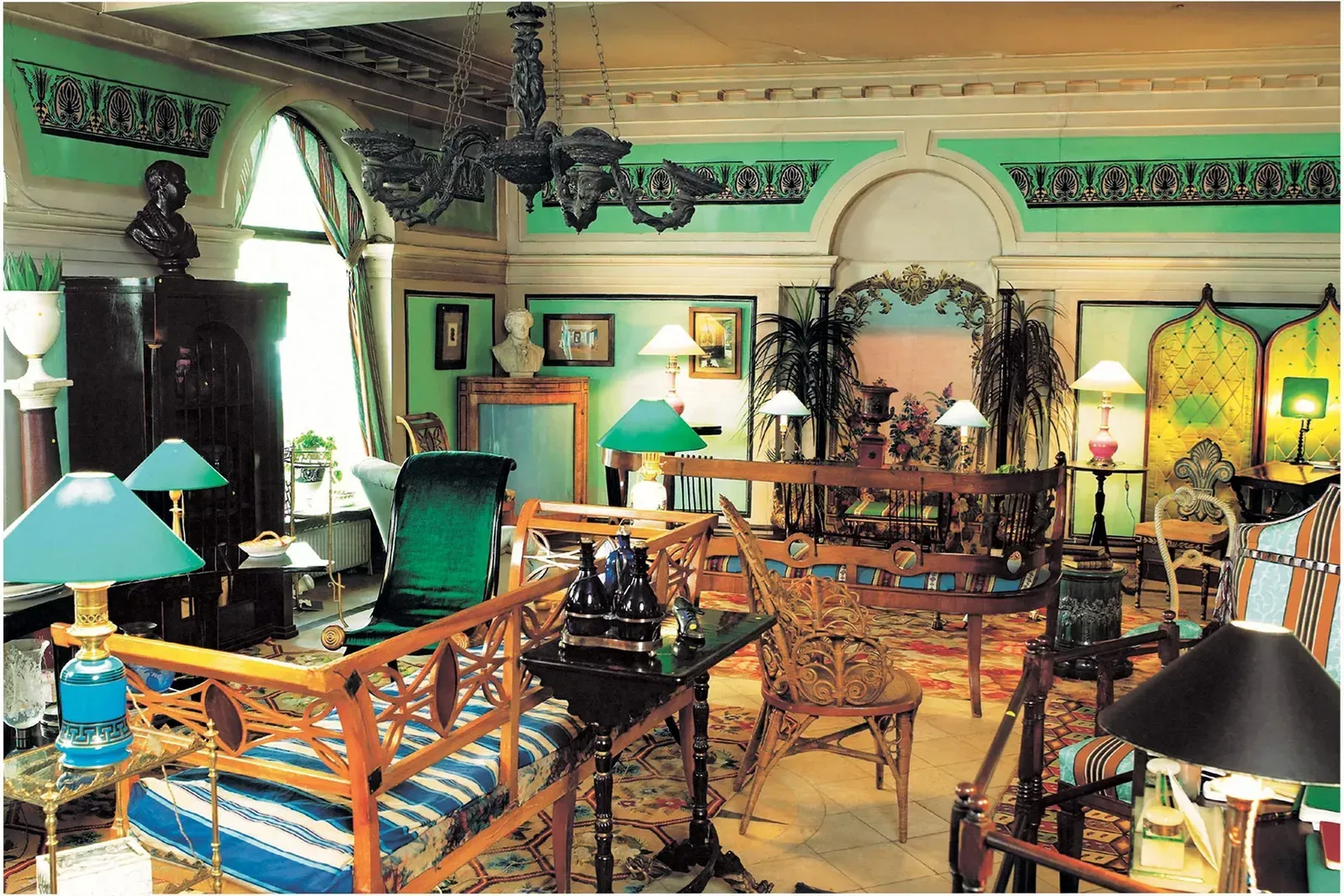
Lovers of vintage style can be grateful to our next heroine. Madeleine Castaing brought an exciting mix of furnishings from different eras into interiors, seasoning it with masterly combinations of colours and patterns.
This French antiques dealer and professional decorator drew her inspiration from travel and from modern art, which she loved with all her heart. She supported young artists who were still unknown at the time, and they repaid her with portraits - Castaing's collection included works by artists such as Chaïm Soutine and Amedeo Modigliani.
Wildness on the walls
Leopard patterns on rugs? Yes, she was the first to suggest them. She mixed gilded Regency furniture with African motifs and modern geometry. She paired simple Art Deco forms with Venetian mirrors and crystal candelabras. She finished it all off with unique wallpapers of her own design. Interestingly, some of Castaing's patterns can still be bought through Brunschwig & Fils - a fabric and wallpaper maker with a long tradition.
Candace Wheeler - the woman who gave us the tools
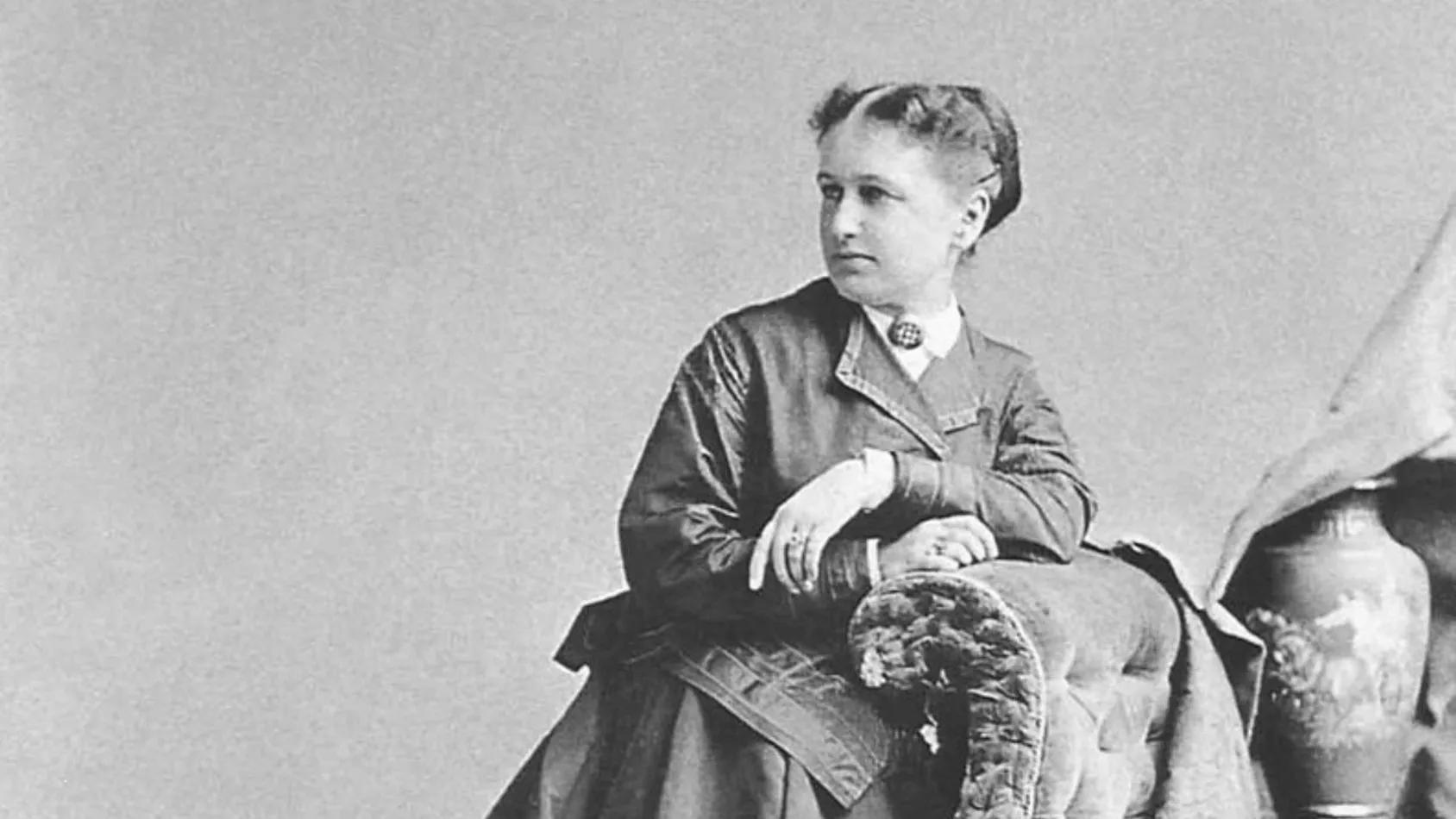
The American interior and textile designer Candace Wheeler (1827–1923) went down in history thanks to her gargantuan work for the professionalisation of women in creative professions. At the Centennial Exhibition in Philadelphia in 1876, the work of local weavers fascinated her so much that Wheeler founded the Society of Decorative Art in New York.
The organisation offered women training in the applied arts, giving them financial independence. Shortly afterwards, Candace launched the New York Exchange for Women's Work: an organisation for women doing creative work, set up to help them sell what they made.
Breakfast at Tiffany's
Alongside her social work, Wheeler built a thriving design studio. As a textile specialist, she worked with, among others, Louis Comfort Tiffany; together they decorated luxurious interiors for the Seventh Regiment Armory, the Union League Club and many luxury New York apartments. In 1883 Wheeler founded her own company, Associated Artists, which offered fabrics in two categories. Alongside a luxury, handmade collection, the designer also offered machine-made textiles, affordable for less wealthy clients. Interestingly, every job at Associated Artists was held by a woman.
In 1920 Candace published the design handbook "Principles of Design", which (like Wharton's book) was hugely popular.
Nancy Lancaster: queen of the English landscape
Understatement is extremely important and crossing too many t's and dotting too many i's make a room look overdone and tiresome.
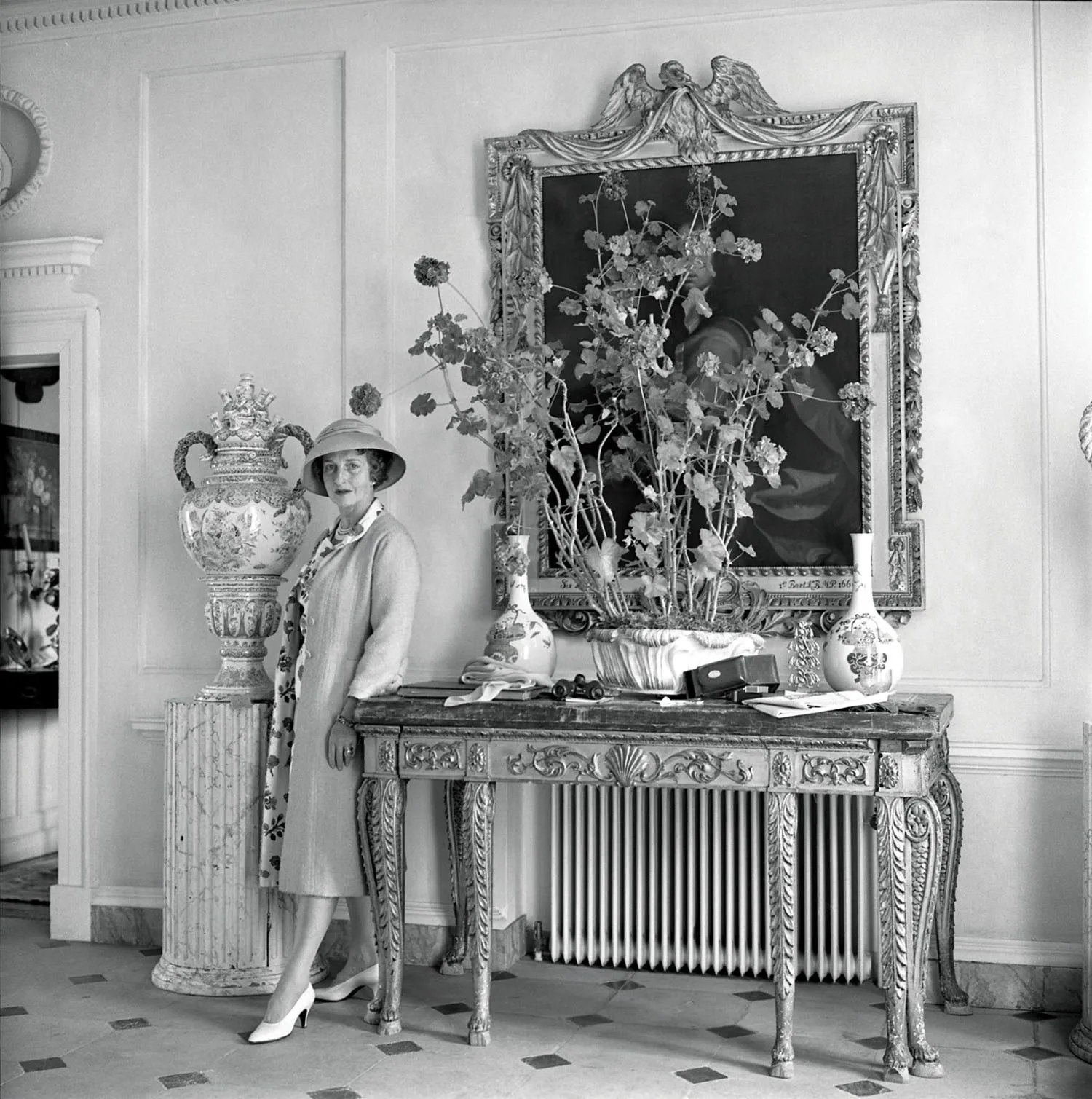
That is how Nancy Lancaster (1897 – 1994), still regarded today as the queen of the English style in interiors and gardens, spoke about design. Interestingly, Nancy was American through and through, and she first visited England only at the age of 30. The modest architecture of country houses combined with breathtaking landscapes made quite a contrast with the American style and instantly won over Lancaster, who was tired of nouveau-riche excess.
Comfort as a synonym for luxury
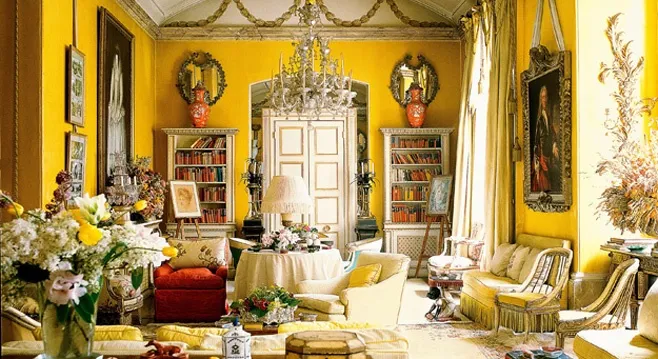
Her designs stood out for their sense of proportion and gentleness, but also for elements of surprise; like the predecessors described earlier, Nancy liked to break up elegant spaces with unusual accents: patterned chintz fabrics, mirrors in distressed gilt frames and upholstered velvet seating.
Lancaster loved houses, perhaps even more than people. She approached design very personally, taking into account not only aesthetics and function, but also emotions. She arranged rooms both for how they looked and for what made them comfortable and welcoming. The thought we still carry from her today, that comfort is a synonym for luxury, captures the idea of contemporary design better than anything.
Charlotte Perriand: this is where modernity begins
We don't embroider cushions here… Charlotte Perriand was told when she first crossed the threshold of Le Corbusier's studio.
Today it's hard to imagine a greater insult, but the words of the "pope of architecture" reflected the standard attitude to the role of women designers at the beginning of the 20th century. Flowers, curtains, cushions - in the thinking of the time, that was where our place was. Le Corbusier's remark is all the more telling given that Perriand turned out to be a key figure in modern design and the co-author of many iconic designs from the studio where she worked with the architect and his cousin, Pierre Jeanneret.
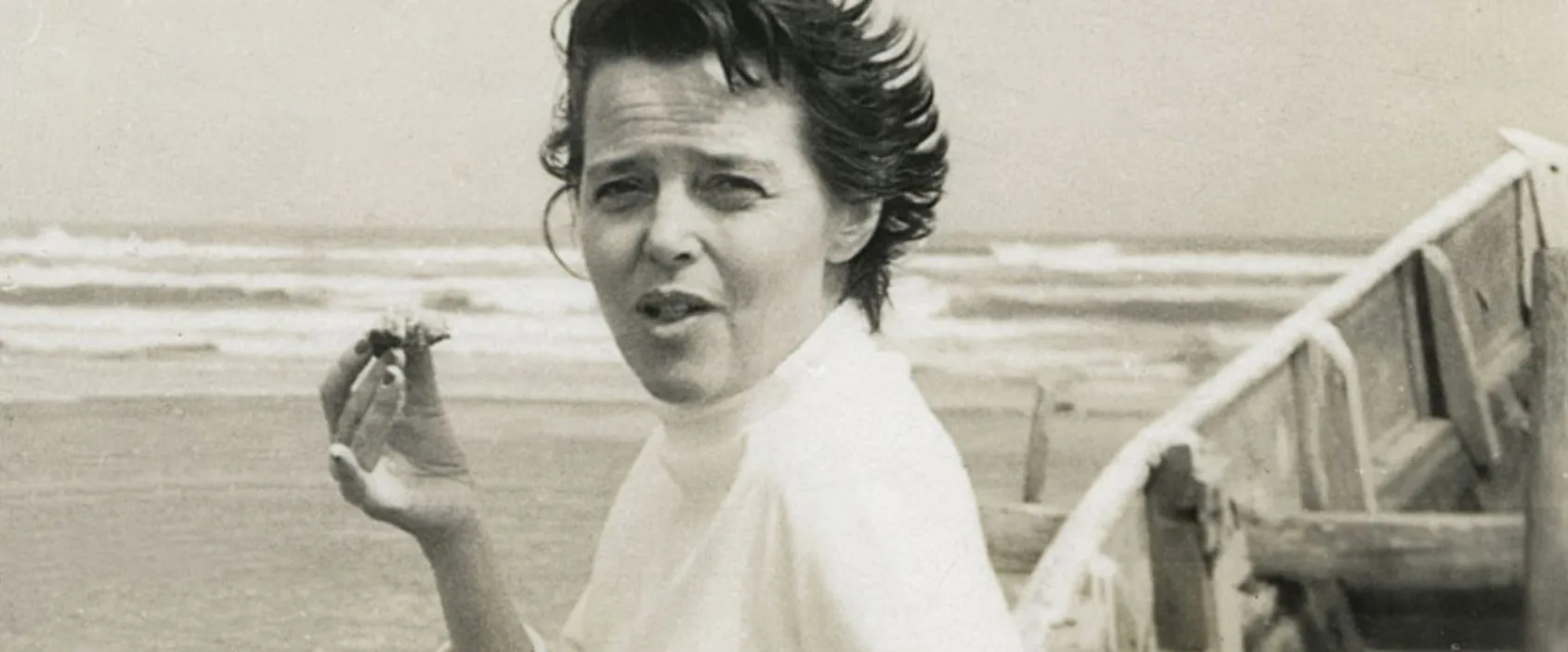
In this trio, it was the woman who was responsible for materials science, prototyping and bringing designs into production. Without her, for example, there would have been no famous series of "machines for resting", led by the iconic LC4 chaise longue.
She was fascinated by bent metal, new materials, Japanese minimalism and the then unknown modular design, which made it possible to shape spaces flexibly. The spaces Perriand designed shocked with their innovative solutions; today they delight with their lightness and ingenuity. The furniture she designed also has cult status and fetches astronomical prices at auction. The origami-inspired chair made from a single piece of plywood, the flexible wooden screen and the pebble-shaped tables are evergreens that haven't lost any of their relevance in 80 years.
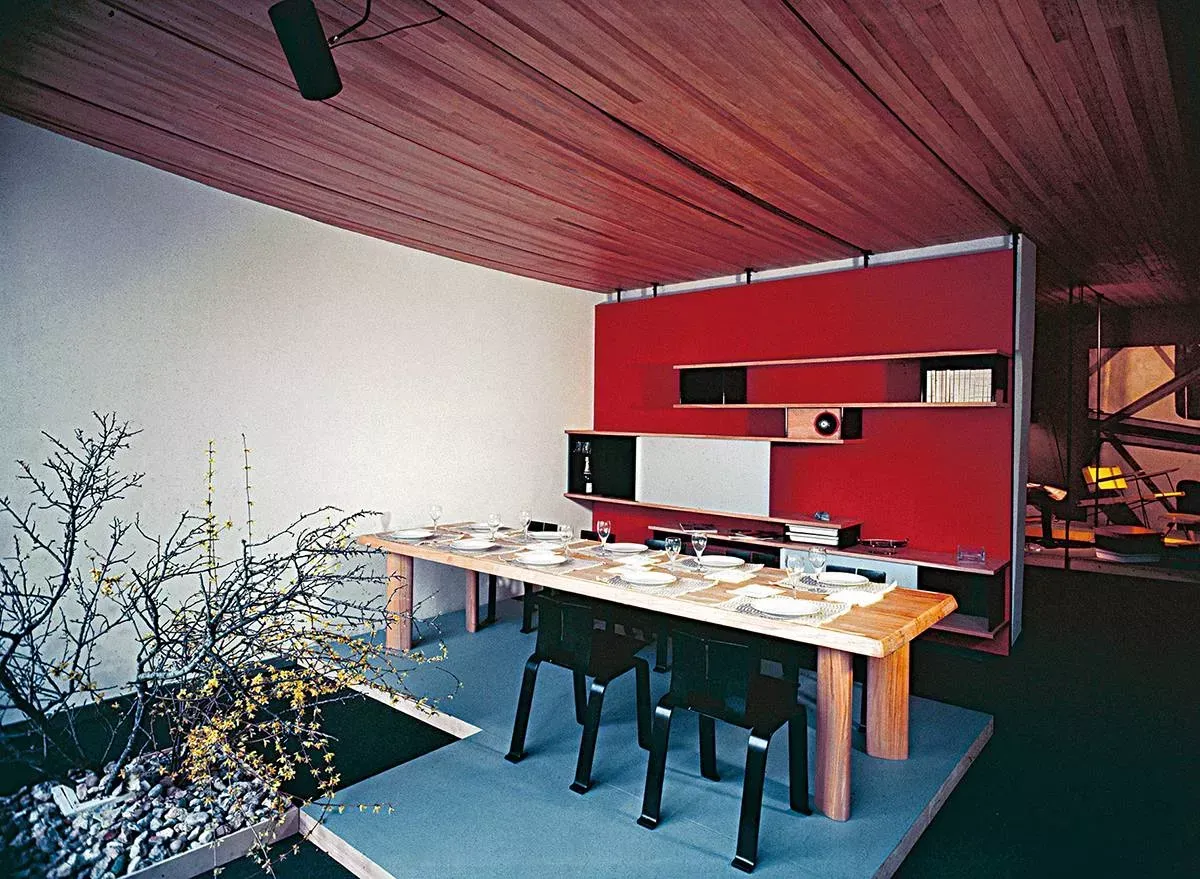
Like her predecessors, Charlotte Perriand paved the way for us to a world in which anyone can be a creator. Their fascinating stories inspire new generations and prove that true passion has no gender.