An excellent question, especially if we look at it through the lens of history and the brief period during which our profession began to be noticed. So we'll start our attempt to define the scope of the profession a little from the end, that is, from the 19th century.
Of course, the first evidence that people cared about how they lived goes back to antiquity, and every era enriched interiors with all kinds of styles and (not always sound) solutions, but it was only with the arrival of the Industrial Revolution that the professions of designer and architect began to be separated. And the structural engineer. Sometimes the builder. The painter. And even…
The first age of consumerism
Let's get back to specifics. The arrival of the machine age, which we wrote about in our previous article, offered almost unlimited production possibilities. Objects that had been handed down from generation to generation and until then made by hand as one-offs suddenly started rolling off production lines at a staggering pace. What's more, at prices tailored to different classes - from the working class, through the middle class, to the bourgeoisie.
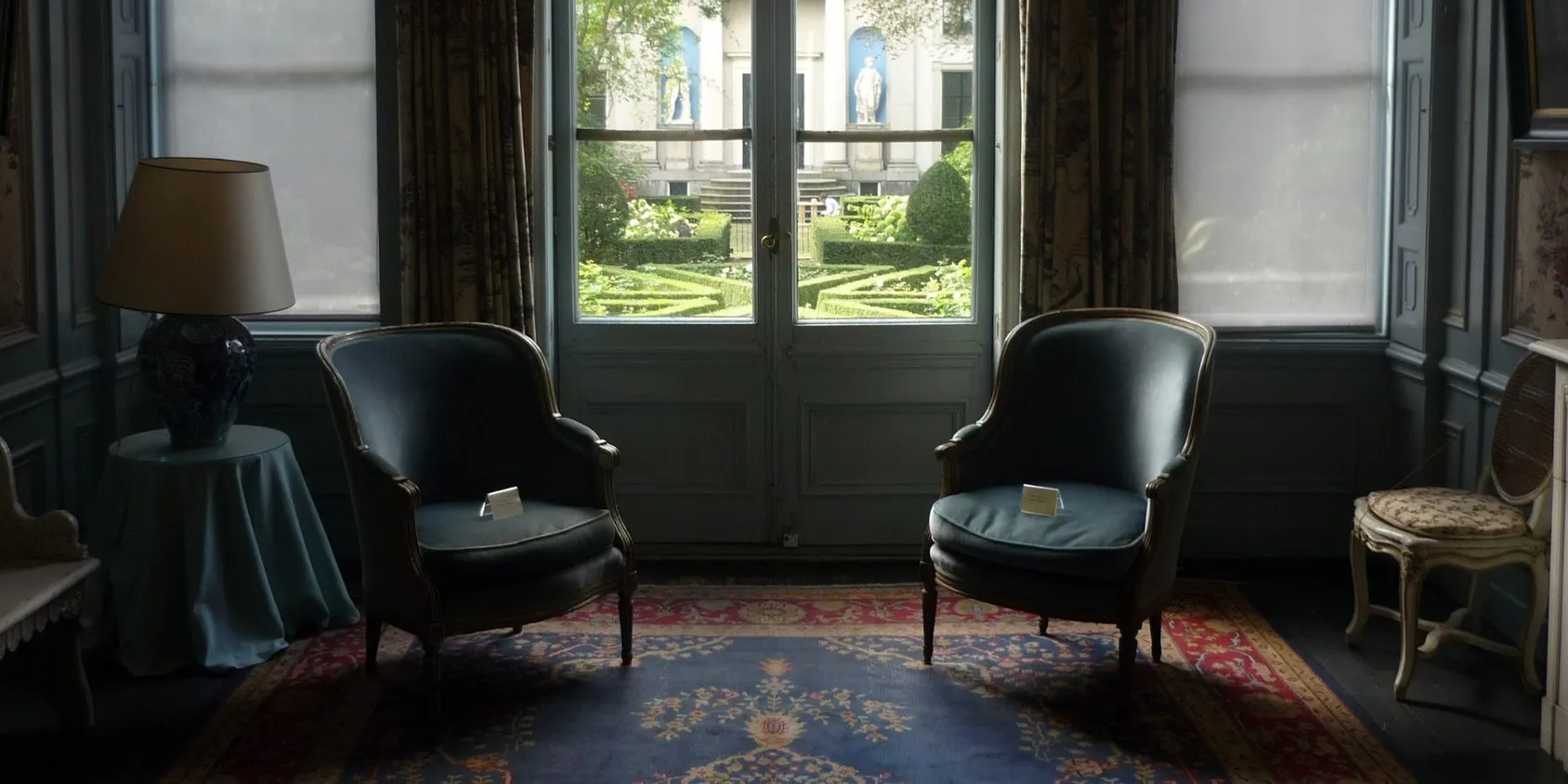
How is anyone supposed to resist buying?
The arrival on the market of mass-produced furniture and furnishings meant that everyone could finally furnish their home the way they wanted. Or the way they thought they wanted ;). In 1900, "The Illustrated Carpenter and Builder" noted that until recently a man who wanted to furnish his house visited all the dealers and chose his furniture piece by piece, whereas now he turned to a dealer in art furniture and decoration, who assessed all the rooms in the house and applied his artistic vision to the subject.
This text perfectly illustrates the realities of the time and draws attention to one fact that is astonishing today - that decisions about furnishing a home were mostly made by men.
Furniture shop customers furnished their homes the way the shop owners wanted, as the owners followed their own taste in what they produced. Besides retail, the biggest players offered both advice and complete home furnishing: from fitted kitchens, through freestanding furniture, to lamps, wallpaper and curtains. All within a strictly defined budget, a fixed lead time and in one of several available styles. Sound familiar?
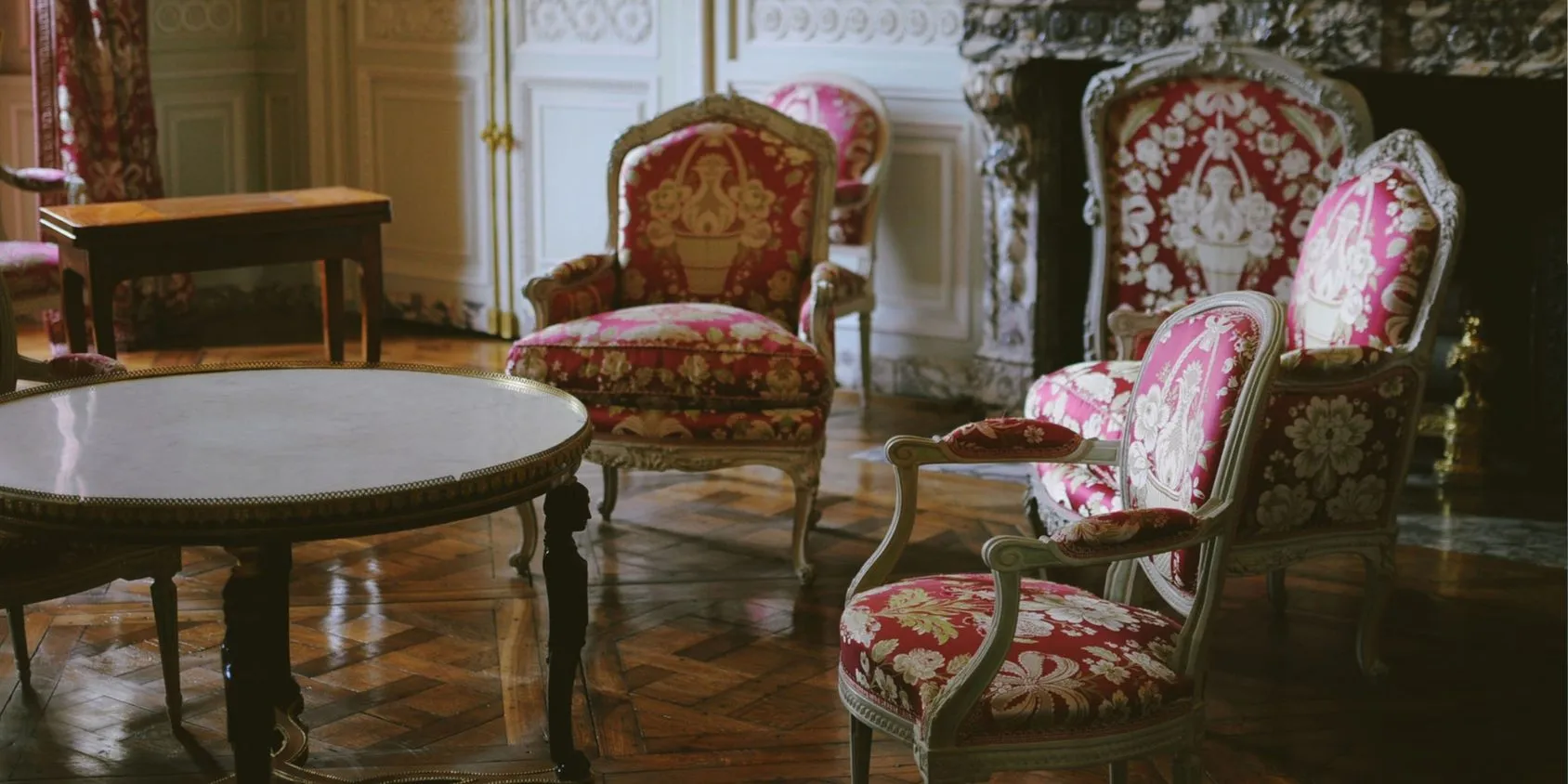
Same as everyone else's: the turnkey fit-out
The turnkey fit-out, which we associate with today's new-build developer finishes, was already thriving over 100 years ago. And, much like today, it came with two things: convenience, and a huge chance that our home would look exactly like the neighbours'.
For the sake of peace and quiet, many people were willing to turn a blind eye to living in a cookie-cutter home. Perhaps this status quo would have lasted to this day, but rebellious human nature made itself felt, and after a few decades of stagnation, voices of dissent began to emerge.
Beauty is the art of the soul*
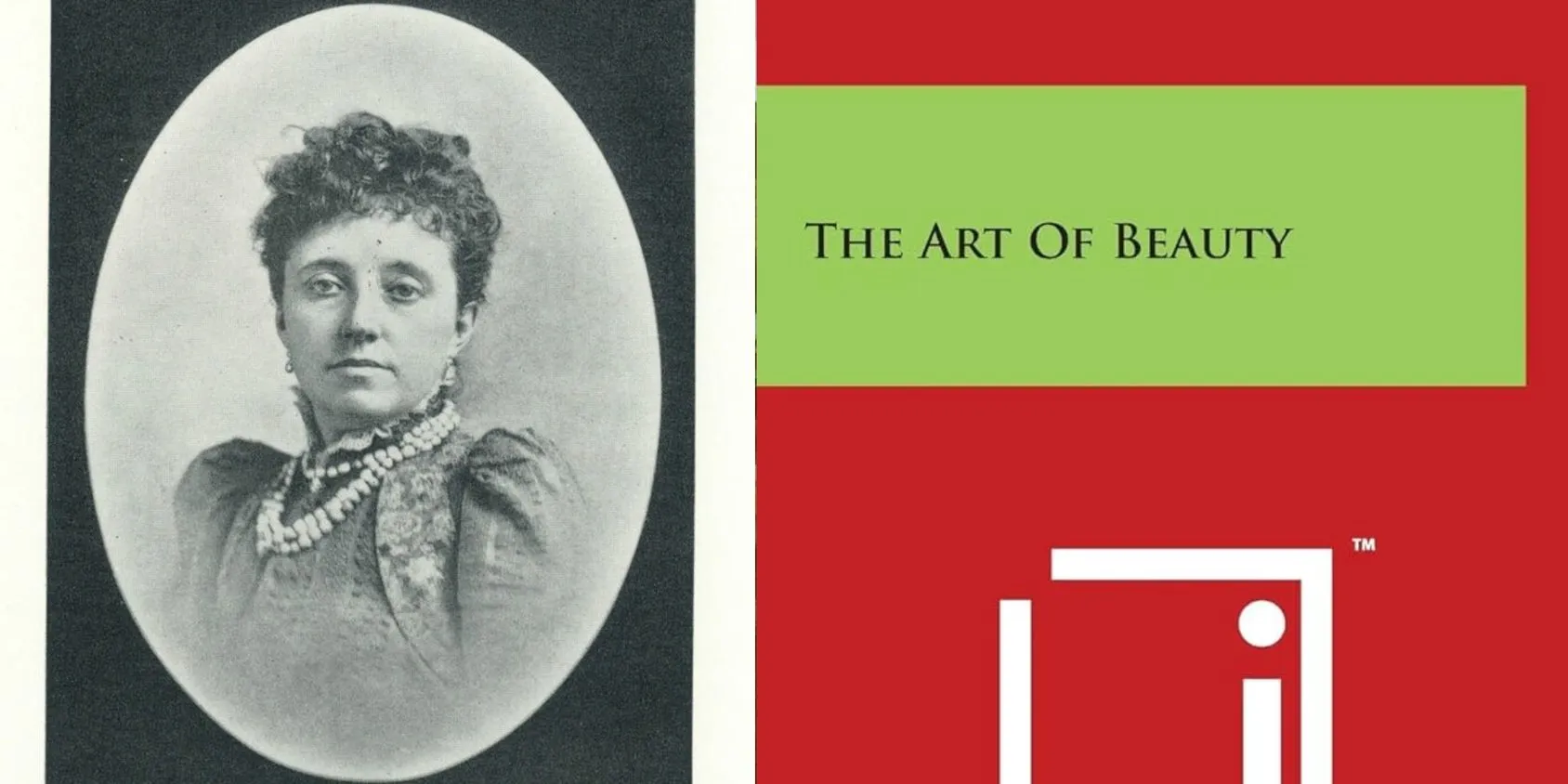
One of the first belonged to Mary Eliza Haweis (1848–1898), an illustrator and writer who wrote about art, fashion and culture in the Victorian era with a feminist streak. Her analytical and reflective way of covering topics that today we'd toss into a box labelled "trends" stood out strongly from other publications.
Haweis's two best-known books, "The Art of Beauty" (1878) and "The Art of Dress" (1879), were a solid critique of the beauty standards of the time and the thoughtless pursuit of fashion. All of it, of course, under the guise of harmless guides for ladies. Just a bit of silliness…
Do you know the saying that true beauty in women radiates from within?
Exploited without restraint (and without sense) in cosmetics brands' adverts, it is one of the best-known ideas linked to Haweis, who valued individualism and moderation above all. Interestingly, today's heroine also carried her views over to other areas of life - including design.
Taste is the common sense of genius**
In "The Art of Decoration" (1881), a guide to decorating interiors, Haweis discussed popular styles and clever tricks for giving rooms some sparkle.
In theory; in reality it was a cleverly constructed critique of excessive consumerism and blindly following fashion. In her writing, the author urged readers to emphasise individuality and to adapt spaces to the actual needs of the people living in them, and not (as market rules would have it) the other way round. And she used such subtle language that even her fiercest opponents found it hard to counter her arguments:
One of my strongest convictions, and one of the first canons of good taste in house decoration, is that our houses, like the fish's shell or the bird's nest, ought to represent our individual tastes and habits
Just try arguing with something that poetic :)
It's not just design; it's freedom!
Years later, it is clear that under cover of socially acceptable articles and guides, Mary Haweis smuggled in ideas about autonomy - women's, but not only women's. She encouraged education, improving professional qualifications and self-determination. She inspired people to think about independence, both in the context of emancipation and in universal matters, such as the four walls around us.
Mary Haweis - the first voice of reason?
She rejected the enthusiasm with which the aspiring middle class blindly copied patterns and furnished their homes according to rigid norms imposed by furniture manufacturers. She was the voice of architects, decorators and craftsmen who, once the first thrill of novelty had worn off, began to see the limits of mass production. Together with them, she fought for the professionalisation of the trade and for breaking the big manufacturers' monopoly.
Thanks to figures like Mary Haweis, there was ever louder discussion not only of aesthetics, but also of ethics and the need to regulate our profession.
The institution we owe the interior architect's profession to
The breakthrough came in 1899 - that's when the Institute of British Decorators was founded in London: an organisation promoting high standards in interior decoration and supporting decorators' professional development.
The Institute's main aim was to promote interior decorating as a respected, formal profession, but no less important was ethics, which came first among the principles it taught.
A good standard is a high standard
Its president, John Dibblee Crace (1838–1919), was a champion of quality and craftsmanship. An architect and decorator known to the wider public for his interior designs for the British Museum, the National Gallery and the Royal Academy, he brought not only prestige; he was happy to share with the other members of the association the knowledge he had gained over the years and the high standards he always kept to in his work. This was an extremely innovative attitude for the time, since most academic posts were held by theorists who had little to do with practice…
By 1915, the Institute of British Decorators under John Dibblee Crace's leadership had around 200 decorators from all over the country as members. Women made up only a few per cent of this group, but thanks to the institution's reputation and the publicity provided by journalists (Haweis among them), their part in the profession's development became increasingly visible. At this point we must mention the first women registered in the ranks of the Institute of British Decorators: the Misses Garrett.
There's no one quite like these two
Rhoda and Agnes Garrett were true pioneers of interior design in 19th-century Britain. Coming from a wealthy family, the women could have lain on the sofa all day living off their dividends, but, driven by ambition (no doubt fuelled by the success of the elder sister, Elizabeth, who became the first qualified woman doctor in Britain), they decided to take their fate into their own hands.
In 1875, after completing a four-year architectural apprenticeship, Rhoda and Agnes took a step that was exceptionally bold for the time - they opened their own design firm in a house on Gower Street. Admittedly, that part of London was then considered unattractive, but the cousins saw remarkable potential in it. The solid construction and elegant details of the late 18th-century houses caught their eye, and the proximity of Tottenham Court Road (the centre of the furniture trade) confirmed their decision to set up their office there.
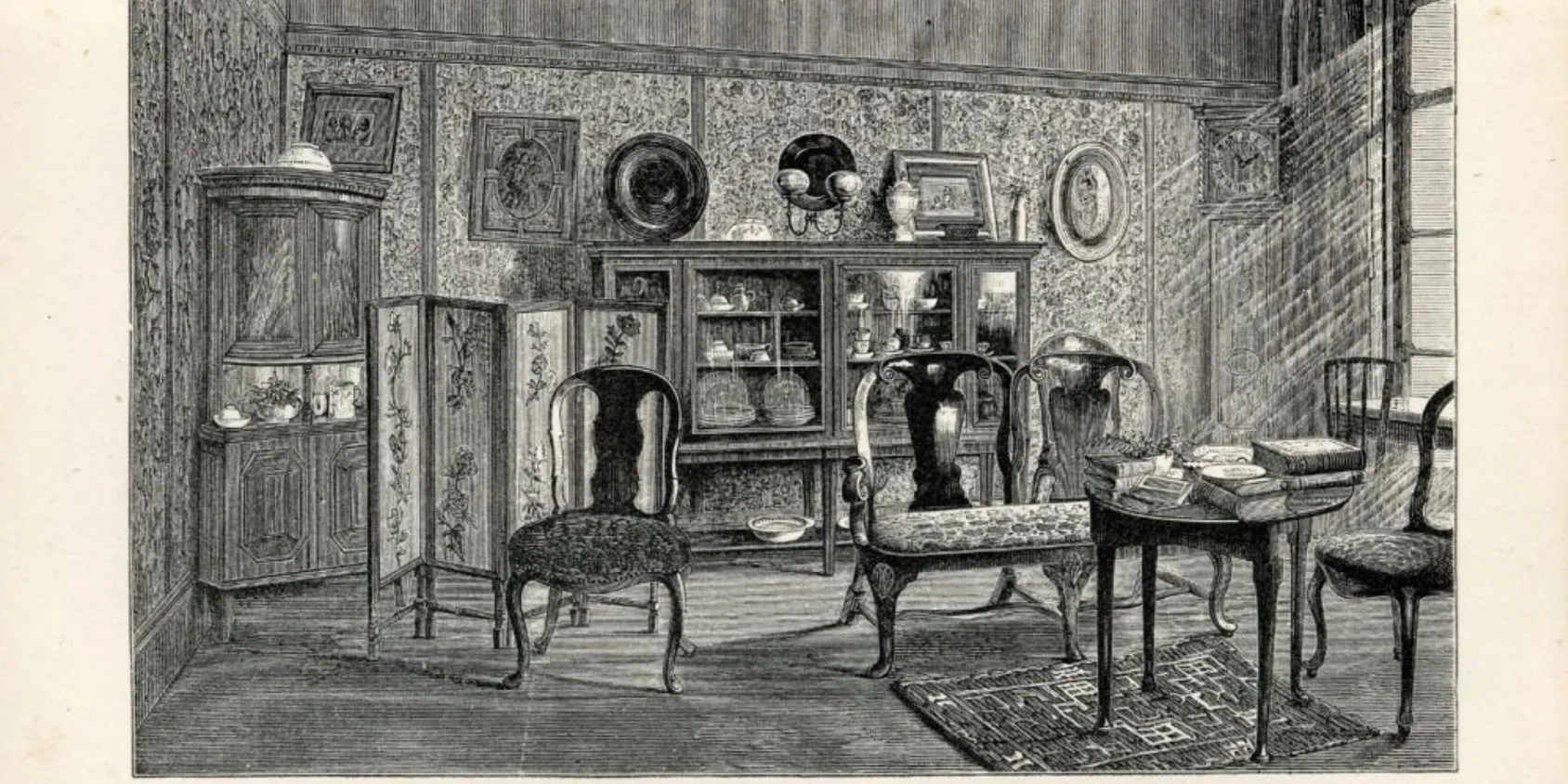
The Garrett sisters take matters into their own hands
It was a bullseye - word of the talented cousins spread like wildfire, and their designs were soon in homes all over the neighbourhood. Some even claim it was thanks to their work that Bloomsbury went from a quiet academic district to a byword for prestige and one of the most sought-after addresses in London.
After their success at the Paris exhibition in 1878, the Garretts opened a large shop near Bedford Square on Morwell Street. There they offered everything their skilled hands produced - furniture, carpets, wallpaper and textiles. For the undecided, in 1876 they published the guide "Suggestions for House Decoration in Painting, Woodwork and Furniture", which turned out to be a real hit and was snapped up by a society hungry for aesthetic novelties.
The world wasn't ready for them
The life and work of the Garrett cousins were ready-made material for a book on how to succeed. Suffice it to say that the quality of their work was compared even with that of the legendary master of interiors William Morris... So how on earth did they fall into oblivion, with literally only scraps of information about their work surviving to this day?
Well, probably the same mechanism was at work here as with Mary Haweis and the other women designers we mentioned in the previous article: the male-dominated world wasn't ready for them yet.
History proves that interior architecture is a profession we owe to women's determination, courage and sensitivity. It's also worth remembering that what is a choice for us today, our predecessors had to fight tooth and nail for. So it will be all the more of a pleasure to bring you the stories of more women who paved the way for us.