If you think influencers are a product of modern times and their story began with the arrival of social media, then… it's high time to update your data.
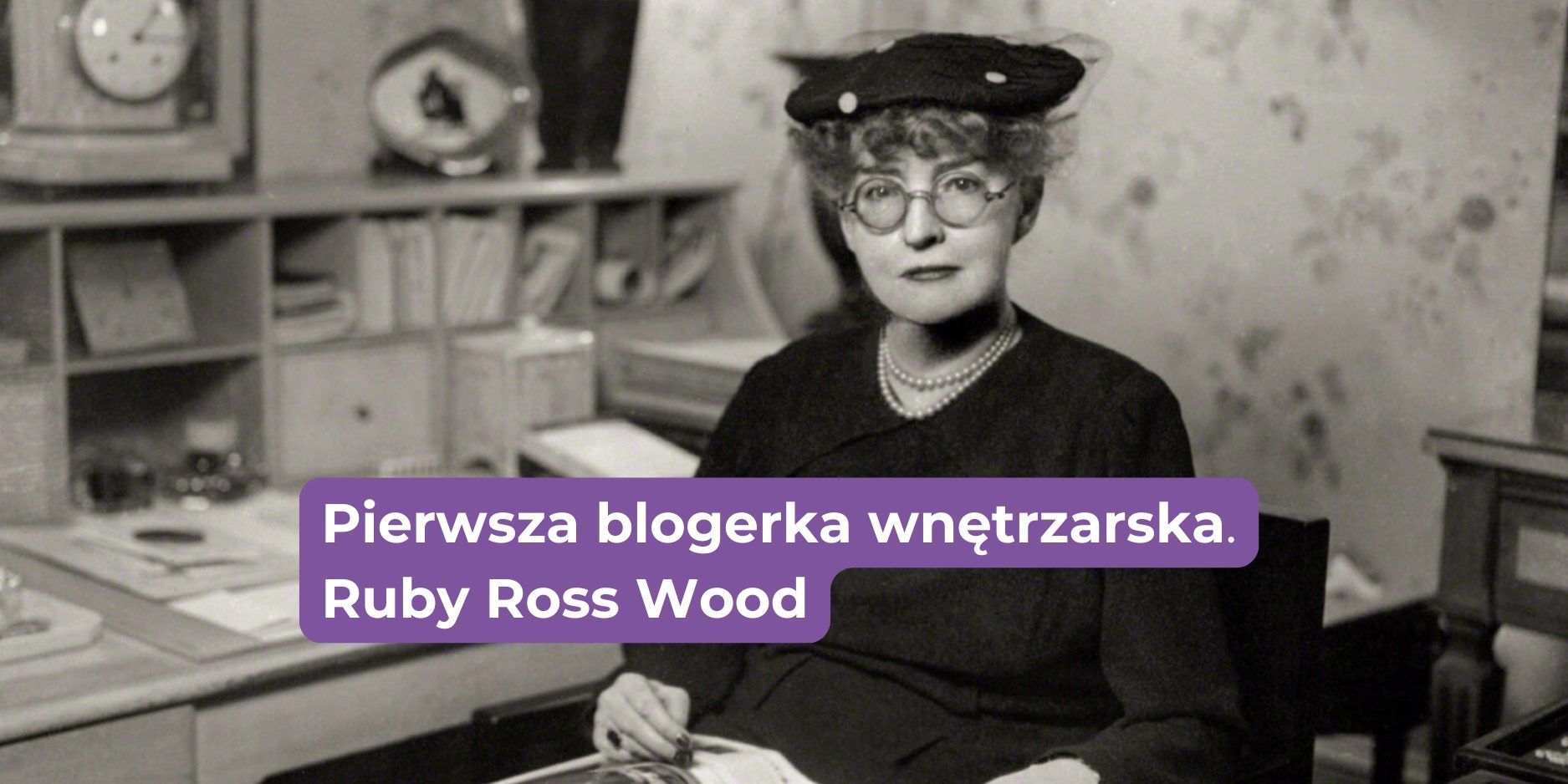
Every industry has its icons, and Ruby Ross Wood is undoubtedly a figure who started a revolution at the beginning of the 20th century. Interestingly, to make her mark in the world of architecture she relied not only on (very good) designs, but above all - on a strong personality.
First steps in design
What was she like? She certainly stood out from her fellow professionals. Her collaborator and loyal friend, Billy Baldwin, described his mentor like this:
Ruby Ross Wood was an anomaly compared with the other prominent decorators of her time. She was not a member of international society, like Elsie de Wolfe. She was not a beautiful divorcée from high society, like Dorothy Draper. And she was definitely not a glamorous kept woman, like Rose Cumming.
The pink cat-eye frames and the many bracelets on her wrists could mislead observers. Ruby smoked like a chimney, was quick to get irritated and had a sharp tongue. At work she was direct and consistent, both in the style of her designs and in how they were carried out. In an environment dominated by men (women made up less than 5% of the profession at the time), such an attitude seemed necessary to survive.
Working Girl, or a girl in a man's world
There's also a second theory: Ruby, unlike the colleagues mentioned above, knew from childhood who she wanted to be. She didn't switch from actress to decorator and society star, didn't change careers later in life, didn't take a decorating course out of boredom. She was simply born to design.
Her mother was a teacher with an artistic streak, and her father a carpenter who passionately introduced her to the secrets of his craft. So from her earliest years Ruby soaked up both practical knowledge and art in its purest form. Thanks to this, she quickly understood that interior architecture is more than just a furniture layout or a choice of colours - and that's how she began to talk about it, or rather… write about it.
Interior architecture - an art that shapes emotions and human interactions
Her first articles appeared in "The Delineator" - a Boston women's magazine run by Theodore Dreiser. The editor-in-chief was delighted with Ruby's style: she wrote about decorating interiors with a passion unseen until then. Like a true influencer, Ruby created engaging narratives and didn't limit herself to dry descriptions.
In her texts she used emotional comparisons and anecdotes from everyday life, proving that interiors should have not only style but also a "soul". She often stressed the psychological side of decorating spaces and mentioned the links between decor and the residents' wellbeing.
Managing from the back seat
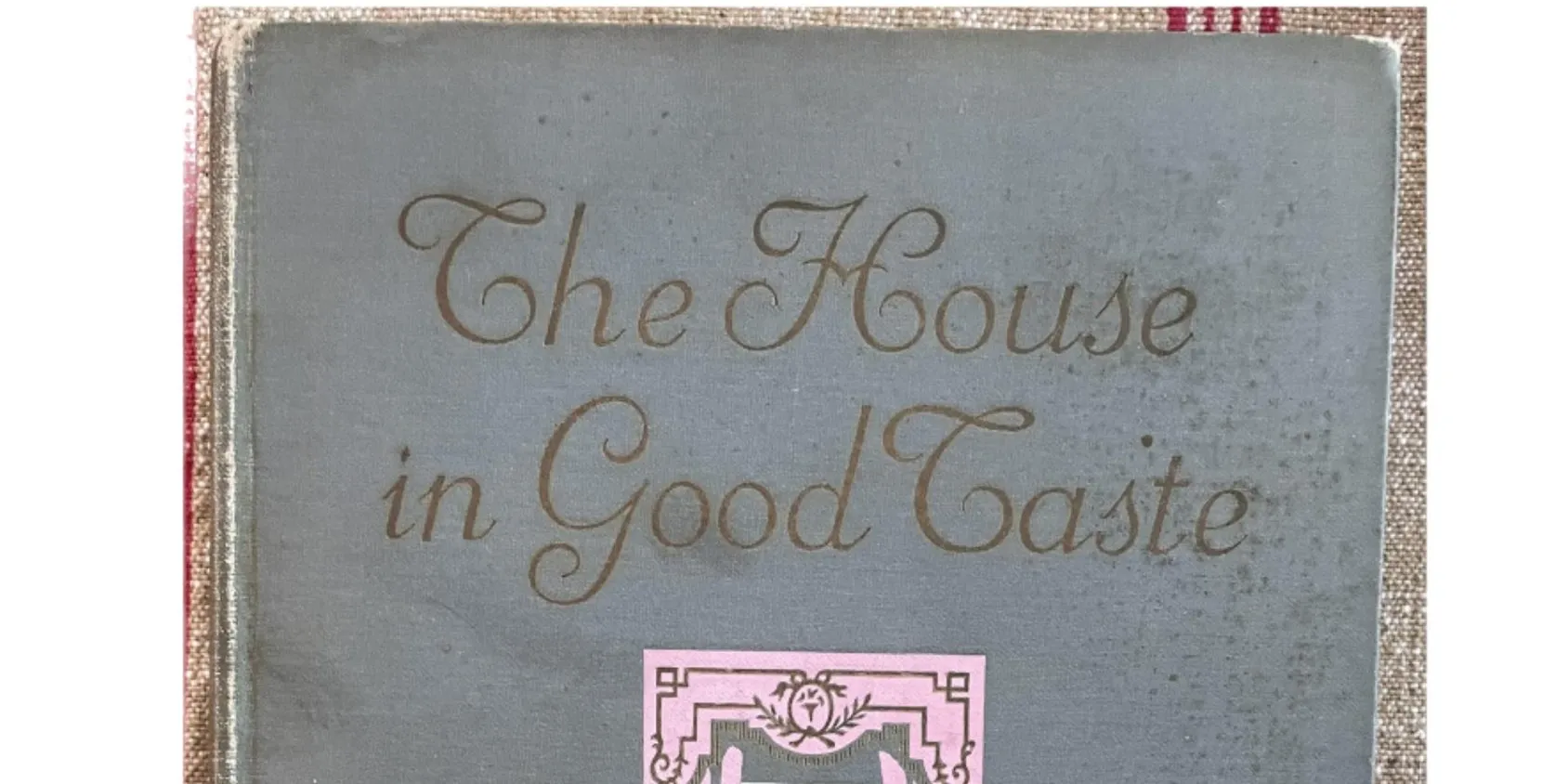
The only problem was that… she didn't write under her own name. She was the ghostwriter for the famous Elsie de Wolfe, who was as effective at promoting the magazine as she was at driving its editor-in-chief to despair. Unpunctual, forgetful and lacking literary talent, Elsie needed someone to prepare valuable content for her. Ruby turned out to be the ideal candidate - their collaboration for various magazines lasted for years, and over time it also produced popular guidebooks, led by the cult classic "The House in Good Taste". All signed, of course, with the De Wolfe name.
Modernity the world wasn't ready for
Around 1914, Ruby (then still Goodnow, after her first husband) decided to stop working for others and set up her own studio: Modernist Studios. Her pared-back designs, which drew on the Wiener Werkstätte's geometric variety of Art Nouveau, unfortunately didn't fall on fertile ground. New York was still stuck in 19th-century aesthetics, and the modern furniture forms shocked potential clients.
Ruby quickly found her next occupation. Besides writing widely read articles (this time under her own name), she joined the team at the John Wanamaker & Co. store.
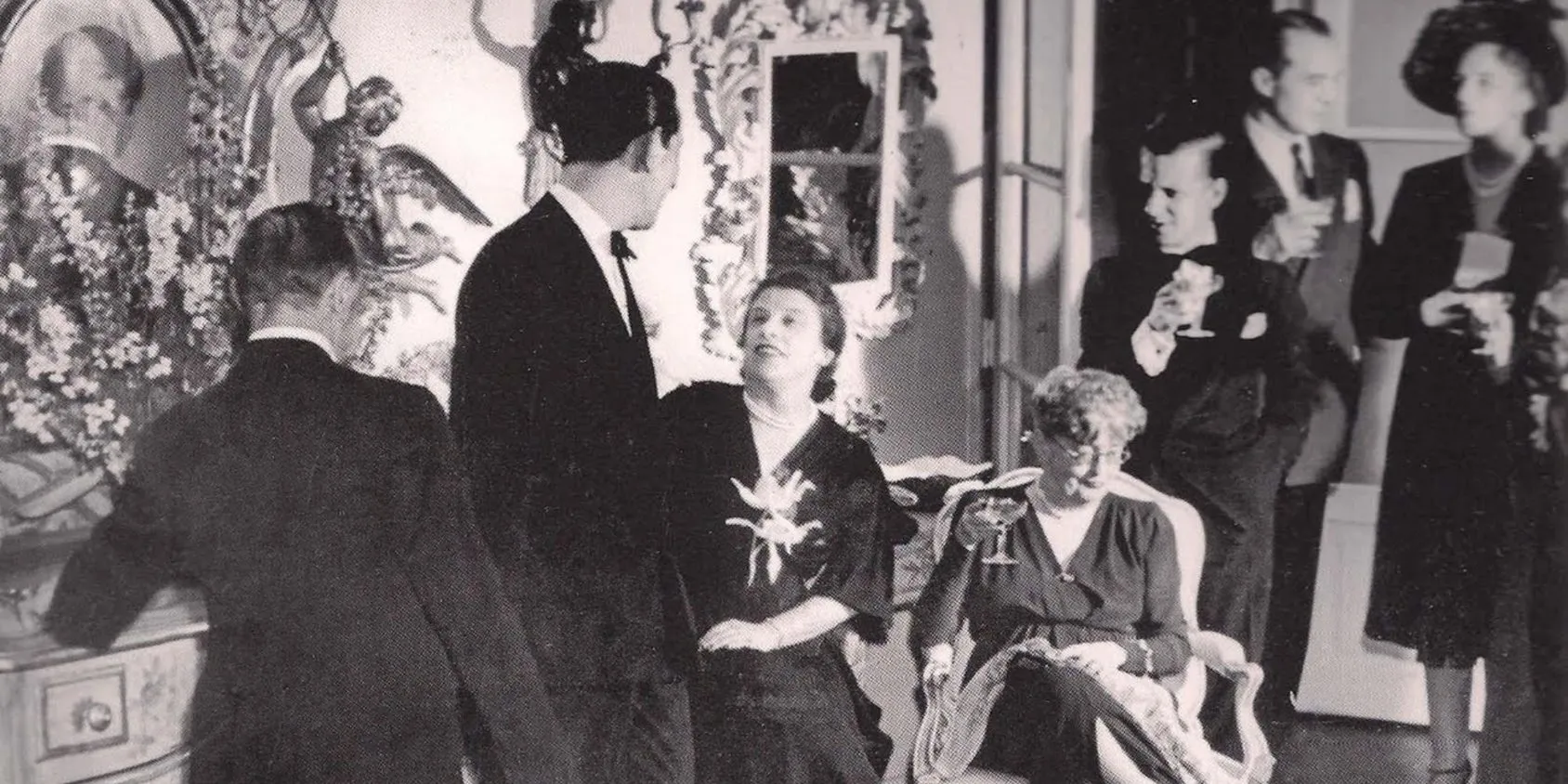
Belmaison, its decorating department, soon became her second home. The schemes our heroine proposed stirred up huge emotions, and her distinctive style drew in more and more clients.
Getting your own way, or winning
Encouraged by her success, she decided to try her luck a second time. Around 1920 she left the team and went independent. This time the world was ready, and her first clients were said to include well-known multimillionaires: the Vanderbilt family, John Wanamaker and the darling of society, heiress Brooke Astor.
To say that Ruby won from the start is an understatement. To put this story in today's terms, it would be like doing your first-ever project for the president. Or for Taylor Swift.
Ruby Ross Wood was a businesswoman through and through. After her impressive debut, she quickly grew her team, increasing the studio's "production capacity". She was excellent at delegating, which led to one of the best collaborations of all time - with Billy Baldwin she formed a creative, perfectly complementary duo for several decades.
Trends are made by people, not the market
The instinct with which Ruby approached aesthetic novelties is impressive to this day; she was a true trendsetter, and many of the tendencies she promoted are still with us. Examples?
● She was one of the first to decorate interiors in the Etruscan style, which helped spark the fashion for "clean" spaces free of unnecessary furniture.
● She nonchalantly combined neoclassical elegance with French chic and country house style. Hello, modern classic and modern cottage!
● She popularised bold patterns, far removed from safe floral motifs.
● Historic architecture in extravagant colours - that's Ruby all over.
● Bold printed fabrics? Geometric Moroccan rugs? Quilted cushions, multicoloured photo frames, surprising combinations of objects…
We owe all of this to Ruby Ross Wood.
A row, or interiors Ruby-style
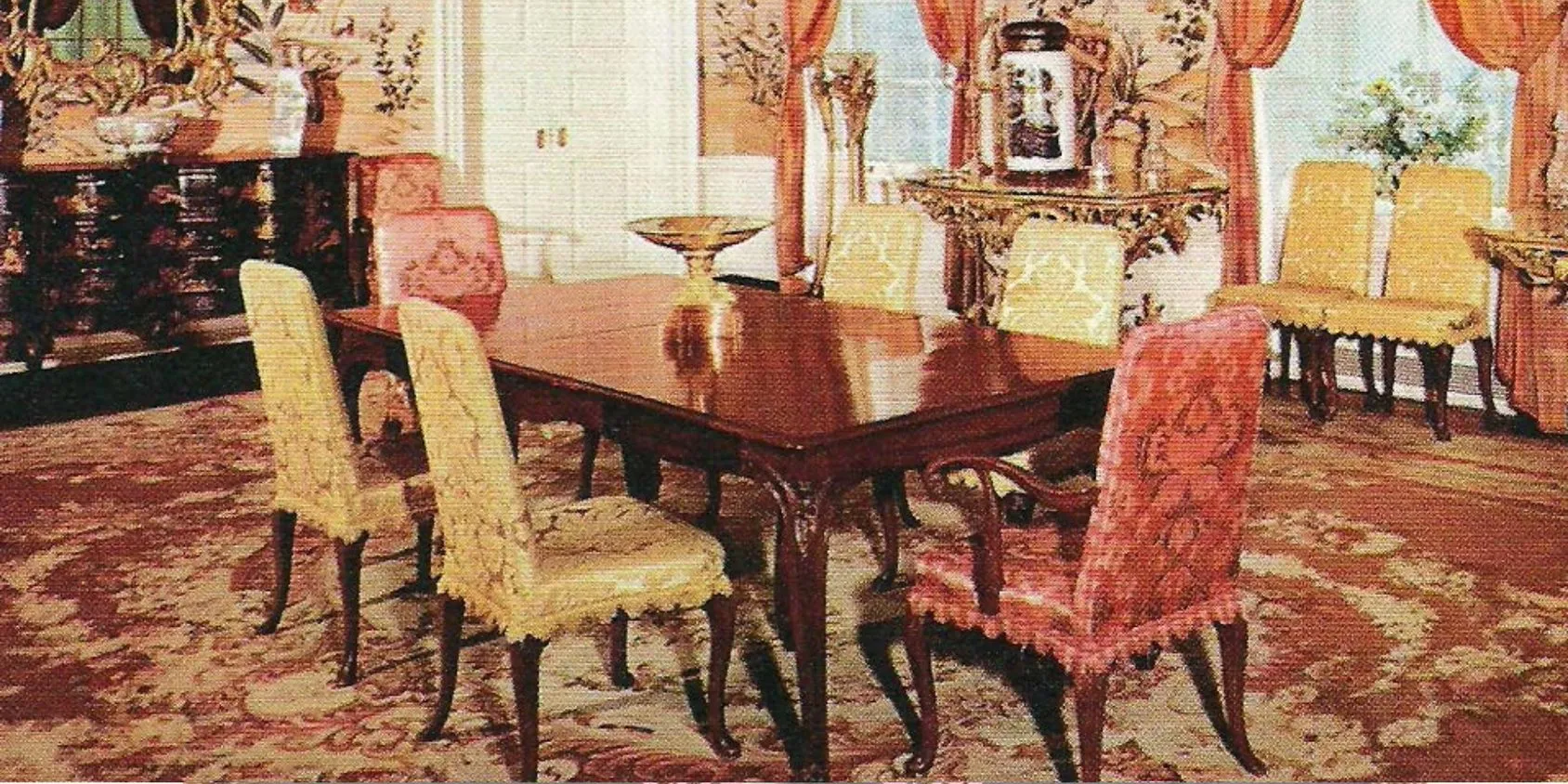
She began her first major project, the decoration of a classic hacienda in Florida, with… a huge row with the architect. Instead of sticking to the colour canon, she had the ceilings and walls repainted in pastel shades. The architect reportedly threatened to walk away from the project, but in the end admitted that her concept wasn't half bad.
The next problem concerned the furnishings. Ruby couldn't find the right textiles for the project, so she hand-dyed hundreds of metres of linen and shantung, and sent a container ship to Portugal for furniture and accessories.
It sounds like a madman's dream, but the result was fantastic.
There's method in this madness
Her own homes were just as extravagant. The traditional manor-house architecture of the first one hid surprising interiors. In the living room, she had the walls covered in grey silk with a metallic sheen, and in the middle she placed a huge sofa in orange velvet. She decorated her study in a Japanese mood - the walls were adorned with hand-painted wallpaper, and a cashmere rug dyed black added a strong accent.
In the second house, this time with decidedly Roman architecture, complete with a rotunda and a colonnade, almost empty spaces formed the backdrop for an eccentric collection of furniture and accessories from different parts of the world.
Her signature? Timeless eclecticism
Combining modernity with touches of the past became her trademark; a signature of sorts, visible in most of her projects. To fully appreciate the interiors she created, it's worth studying the (unfortunately few) photographs of the houses she decorated. Only one of them has survived unchanged to this day - the Swan House residence, which turned out to be Ruby Ross Wood's project of a lifetime.
The perfect project
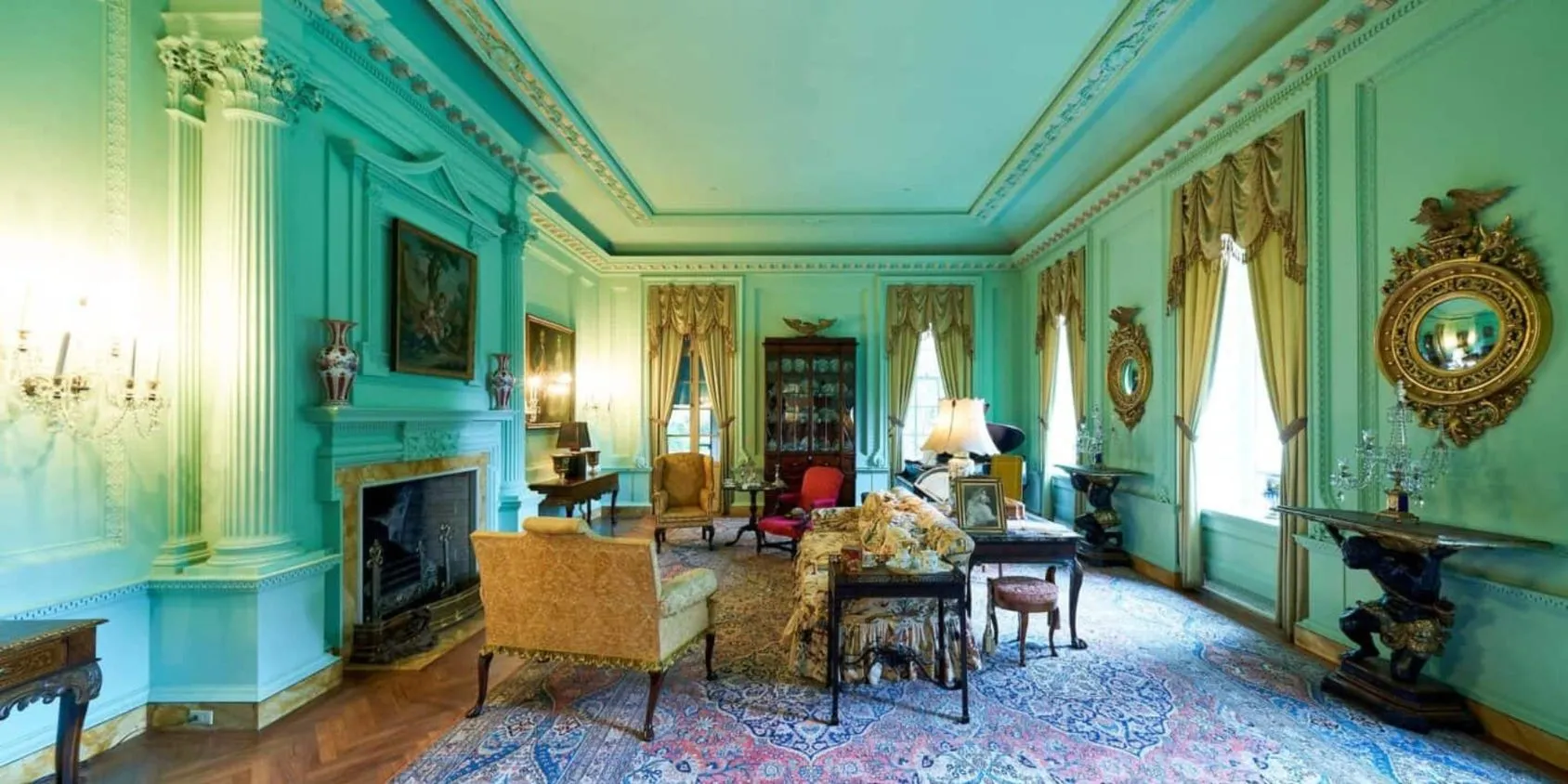
Swan House belonged to the owner of a textile empire, Edward Inman, and his wife, Emily. Both open to art and to people, they took an active part in Atlanta life and had a huge influence on the city's cultural scene. The construction of the residence was a real event. The architecture and the garden design were the work of Philip Trammel Schutze, one of the most outstanding architects of the time, who specialised in the neoclassical style. Set on a hillside and surrounded by old trees, the residence made a truly striking impression.
The Inmans entrusted the interior design to Ruby Ross Wood, whom they had met (and befriended) earlier, when she decorated their New York apartment.
Swan House, or moderate restraint
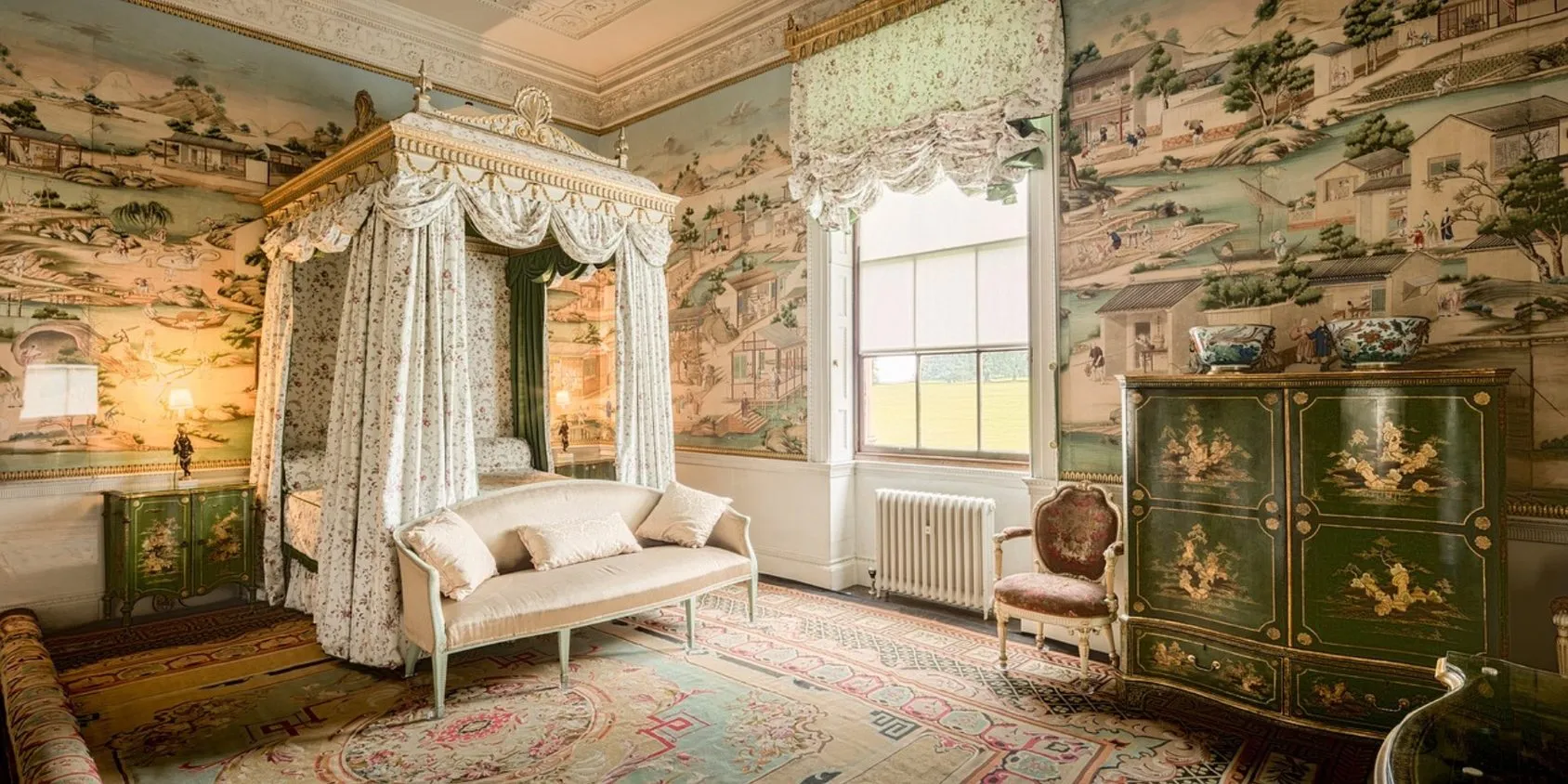
Decorating the interiors in Atlanta, Ruby clearly reined in her extravagant tendencies. Of course, you can still spot her characteristic touches in the bold colours and modern fabrics, but the whole is decidedly more toned down and suited to the architectural design.
The rooms in Swan House are airy and literally flooded with natural light, which perfectly reflects the designer's favourite saying:
Where there is no light, there is no beauty
Ruby Ross Wood is without doubt one of the most inspiring figures of the first half of the 20th century. Although she didn't have Instagram, Facebook or TikTok at hand, she set trends like a seasoned influencer. She used the power of word-of-mouth marketing and exclusive magazines, and instead of posts and reels she created engaging articles full of valuable content. She knew perfectly well how to sell her ideas and built her personal brand flawlessly.
What should we thank Ruby Ross Wood for?
She managed to achieve a double success - as a designer and as a woman. At a time when women's names were a rarity in this industry, Ruby opened, or rather kicked down in her own inimitable style :) the doors for the next generations of women designers.
Proof that she really did change the narrative can be found in the announcement that appeared in the newspapers before her second wedding: instead of the bride's family and background, the papers wrote about Ruby's professional achievements.
For that, all of us women should thank her.