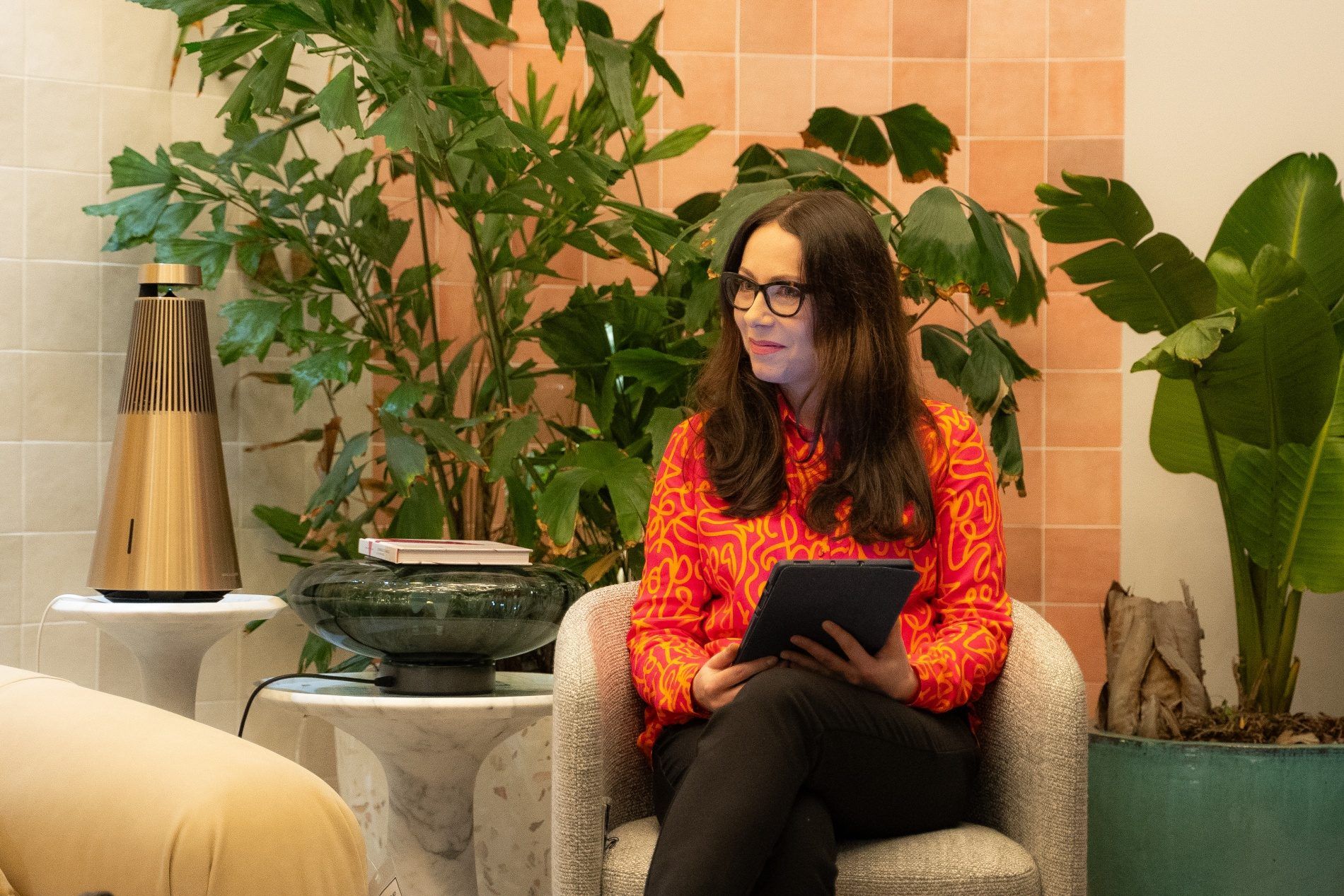
In our series of interviews with interior architects, we bring up all kinds of experiences: the ones that made our blood run cold and the ones that still make us cry with laughter today. True to the idea that it's best to learn from other people's mistakes (and successes), we raise topics that can spare your nerves and help both beginner and experienced designers work more efficiently.
In the previous part of the interview, we talked about the unexpected beginnings of your design business. Today we'll focus on what years of practice have taught you. A big question to start with: how do you organise your work smartly?
Magda: Take a good look at yourself. And then, step by step, eliminate the things that eat up your time and look for tools that will help you save it. A great example is the switch to working online, which we all had to face a few years ago.
Personally, I still prefer working with people in person, but I admire designers who turned remote work into an asset and started earning great money from it. This way of working allows real savings of time and energy: you don't drive to meetings with clients, you don't wrestle with contractors, you don't waste energy walking around shops. You focus totally on the project, and on top of that you have time for marketing, building your brand and expanding your client base. If you also narrow down your style and use a specific library of models, then in a way you have every project worked out from the start. For me, the designers who adopted this model have won at life. It's a totally business-like approach to design.
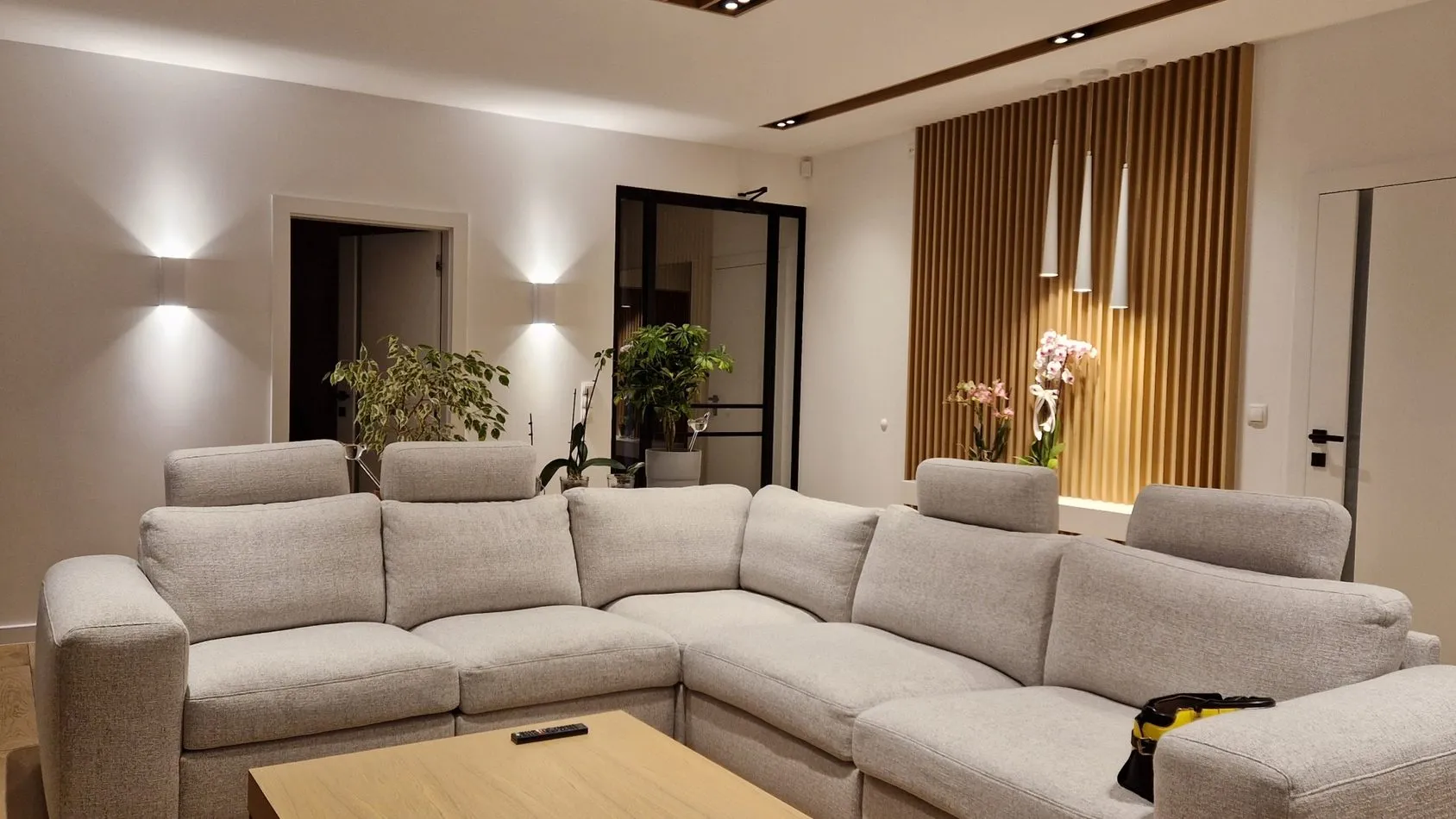
A business-like approach to design
What does it look like for you? Have you changed the way you work and switched to online projects?
I didn't get the chance. The moment I decided it was a brilliant idea coincided with the birth of KIS. I moved all my capacity into developing our app and cut back on design work.
Do you miss it?
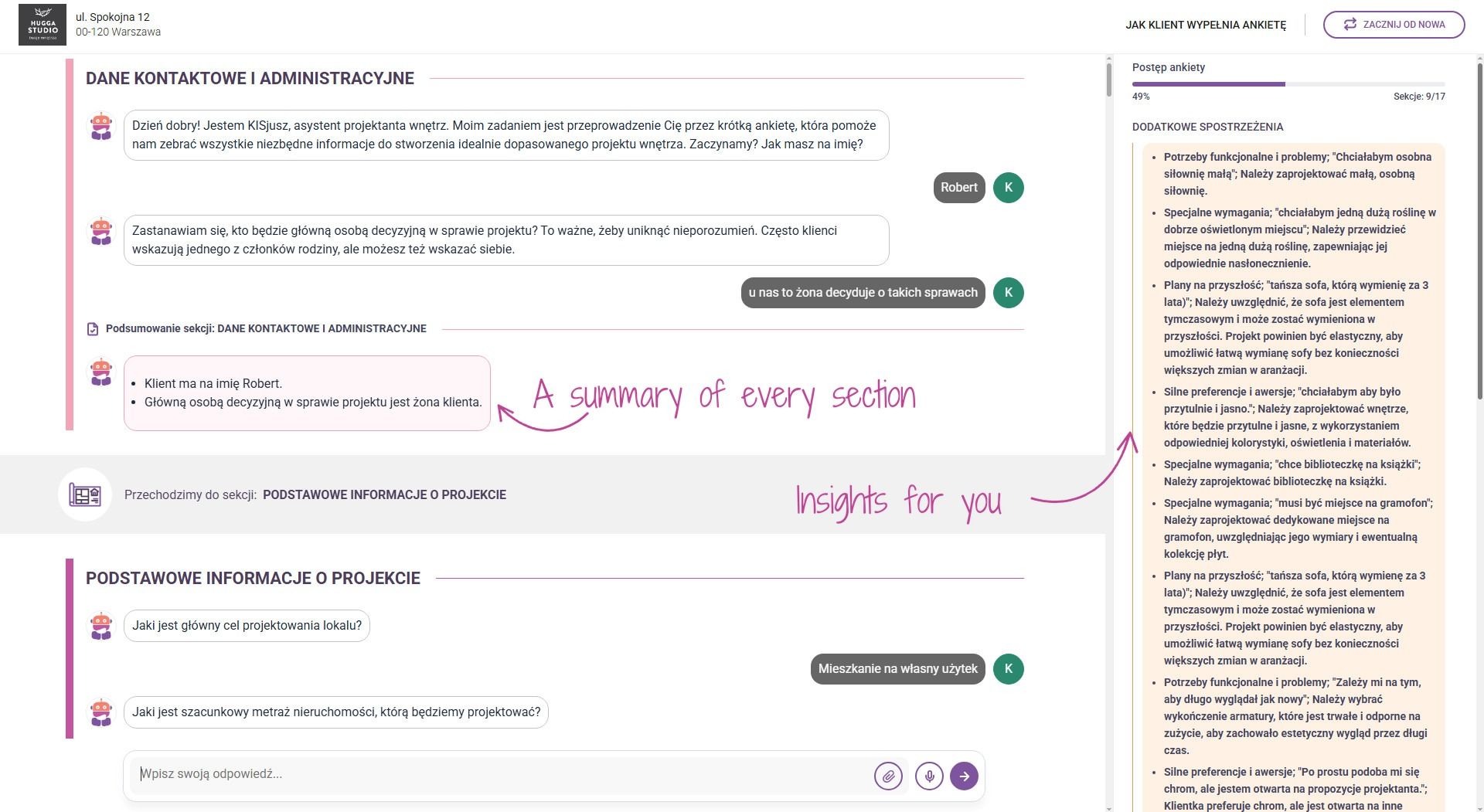
The app was created with ideas similar to the ones that had guided me before: limit the number of unnecessary elements in a project, speed up the work and automate systems. So I feel that KIS List is a natural continuation of what I used to do.
The warm-up is over! Let's move on to what interests everyone most, namely the projects that gave you a hard time.
Practically every one of my first experiences was a big lesson for me. For example: never arrange the first meeting with a client at their home. I remember a project where I agreed to that, and it was a horror. For over an hour we walked around the whole flat, the clients kept asking for ideas for this and that, and I was firing off concepts on the spot. After the meeting there was actually no need to continue working together, because the clients already knew everything. I quickly learned never to do that again and to work out a way of collaborating in which I wouldn't lose out.
A good design takes time
Firing off ideas, which you mentioned, is a problem most beginner designers struggle with - it seems like that's what you're supposed to do. How did you deal with it?
It was a tough ride, but I finally learned to say that I don't know something. I had this huge barrier: since the client hires me as an expert, I should know everything: right away, off the top of my head, on the spot. And I kept trying to prove it, to myself as well. But that's absurd! A good design is a well-thought-out design, one in which the client gets the best solution, not the first one that pops into our heads. So I stopped pushing myself, and today I have no problem saying that I need more time for analysis.
Easier said than done - especially if we're talking about someone very ambitious…
Then I have a good example, straight from real life. At a party, we were talking in a group about the strange behaviour of a certain person, and we asked a friend of ours who is a psychiatrist: Listen, since she behaves like that, she must have such-and-such a disorder, right?
And our friend said: I don't know. I don't know the person or her history, I haven't talked to her, I'd have to observe her for a while.
And then I thought - wow, that's a true professional! I was impressed by her honesty and fair approach to the subject. But before? There was no way I could show that I didn't know something.
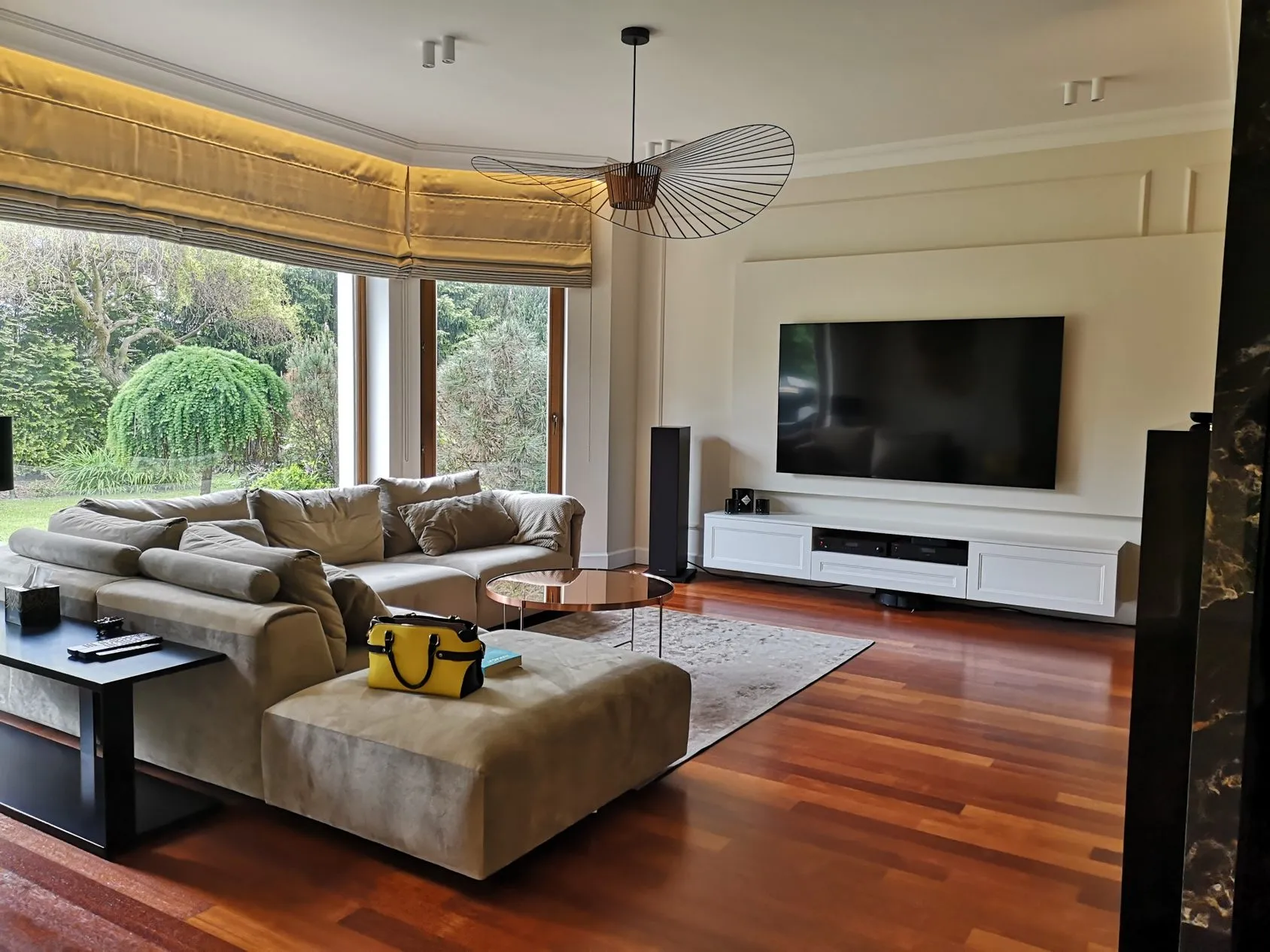
I know that I don't know
Do you ever pass on projects?
Yes, although it's never easy. I have walked away from a collaboration when I felt that a given project wasn't for me. For example, when I was asked to design in a style I just don't feel at all. Sure, a skilled designer can design anything, and of course I could do it, but… why?
I believe that to achieve a great result, to get something really good, the designer has to feel the vibe and be on the same wavelength as the client. That's why in situations like that I always tell clients honestly that I don't work in that style and recommend they look for someone they'll get along with.
Time for red flags. What worries you the most?
A situation where I can see that the clients are very indecisive. Just to be clear: we're not talking about people who come to a studio for an idea for a design, because proposing that design to them is our job. I mean clients who come completely unprepared, can't define their expectations during meetings, and later say: well, you do a few designs and maybe we'll pick something. I have never agreed to that kind of collaboration. That's what the client interview is for, that's why we meet and talk, so that we can work something out together. If there's nothing concrete, and above all no goodwill, we won't make anything of it.
Red flags
Another type is the client who insists on certain solutions, even though in my opinion they're misguided. I know there are designers who make compromises "for the sake of peace and quiet", but there really are limits.
Here again I'll use the example of Akademia Dobrego Projektu; the girls openly admit that the direct trigger for founding the Academy was the spreading fashion for the "lamp over the bathtub". While active in groups for architects, they watched all sorts of strange ideas, but those lamps were the last straw. They caught loads of mistakes like these on forums, resulting from not knowing the regulations (and, as a consequence, putting users' safety at risk)! So I avoid situations in which I'd have to make compromises under pressure that go against my beliefs and knowledge.
I'd also count as a red flag a situation where a client comes to me from another designer. Big question marks appear right away: both about the reasons for ending the previous collaboration and about finishing a project after someone else. I understand that things between people can go different ways, but adapting to what already exists like that is very laborious and takes more time than doing something from scratch. Logic suggests it would really be easier to get back to the first designer, who already has everything drawn, measured, sometimes even ordered. I avoid cases like that like the plague.
Have you ever broken off a collaboration in the middle of a project?
I have. My client and I had signed the contract and she had paid the deposit, I came to her place for measurements and an initial discussion of the design, but as soon as I crossed the threshold I felt that something was very wrong. She literally treated me like an enemy; zero flow, zero willingness to communicate or work together. Anyone can have a bad day, so we met once more to choose materials, but the situation was exactly the same. I didn't feel this collaboration at all, so I politely explained that we weren't right for each other, returned the deposit, and that was the end of our contact.
A project due yesterday, a classic of the genre
The second collaboration I ended began in completely different circumstances. The contact was great, we clicked right away. While discussing dates, we agreed with the clients that, because of my commitments, we'd start working together the following month. They happened to be going on holiday, so it suited them too. Until it didn't. Well before the agreed date, a rather agitated gentleman called me asking whether I already had the designs. It turned out the crew had an earlier slot free and they needed everything urgently. I tried to explain that it doesn't work like that, but the complaints started, and I preferred to part ways rather than throw something together under time pressure.
A project due yesterday, a classic of the genre. Many architects also complain about deadlines, which usually work only one way.
That's true, clients are usually only in a hurry when the foreman is breathing down their necks. Day to day, it's hard to get any feedback out of them, and yet it's really important that clients also feel responsible for whether the project moves forward.
And that's how the schedule for working with clients made its way into KIS…
Exactly! Getting no reply when you've stayed up all night and sent everything on time is really frustrating. That's why I understand designers who avoid working directly with clients whenever they can.
A proven trick for smooth collaboration
Rumour has it there's an effective method for that. A designer we know brings a special form to every meeting with clients. During the meeting, she writes down all the arrangements and next steps with deadlines, collects signatures from everyone present and, at the end, stamps it, to heighten the drama. She sends a photo of the document to everyone involved, and if anything is unclear, she has a beautiful "paper trail".
What a trick!
They say in this profession you have to cover yourself from every angle:). Going back to red flags - would you add anything else?
I don't like clients who stay silent; the ones you get no feedback from, and you have no idea what's swirling around in their heads. I once had a situation where the meeting was pleasant, we discussed everything, and I left feeling that we were heading in the right direction. I got home, and an hour later I received an email with such comments that I felt faint.
After all, a designer's work relies to a huge extent on mutual understanding and goodwill on both sides. On top of that, there's the matter of interaction between the clients themselves. It's not without reason that renovation is said to be one of the most stressful experiences in life, and some clients come to meetings as if to a sparring session. Choosing tiles can turn into a real fight that isn't about the look of the bathroom at all…
That's why, after getting caught in the crossfire once or twice, I started telling clients clearly: Look, why don't you talk it all through calmly between yourselves, and once you've thought it over and agree, I'll be happy to carry on. It's important not to get involved in this kind of squabbling, so that clients resolve such matters between themselves and approach things professionally.
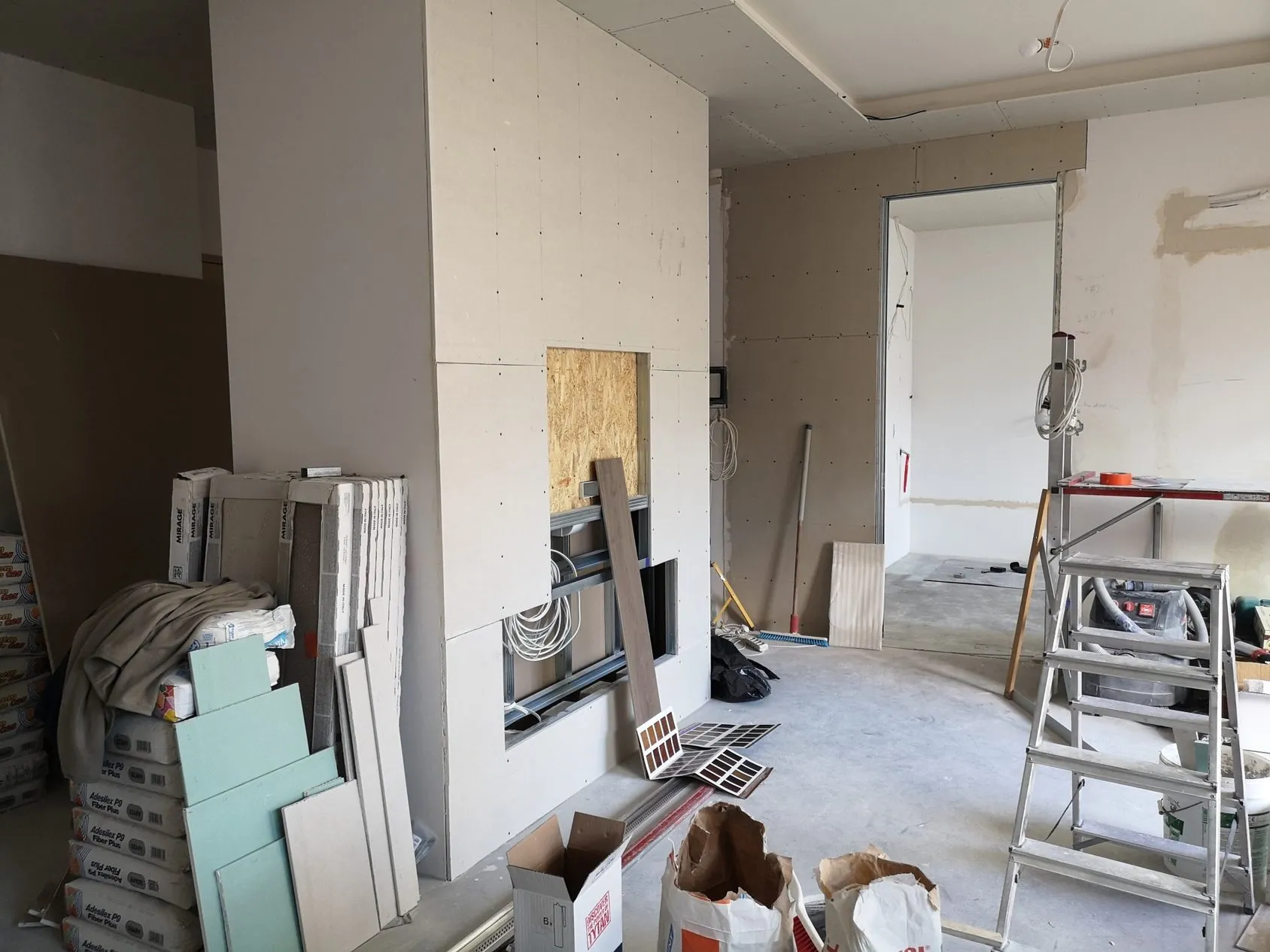
NEVER take on site supervision of a crew you don't know!
Do you remember a project that gave you a really hard time?
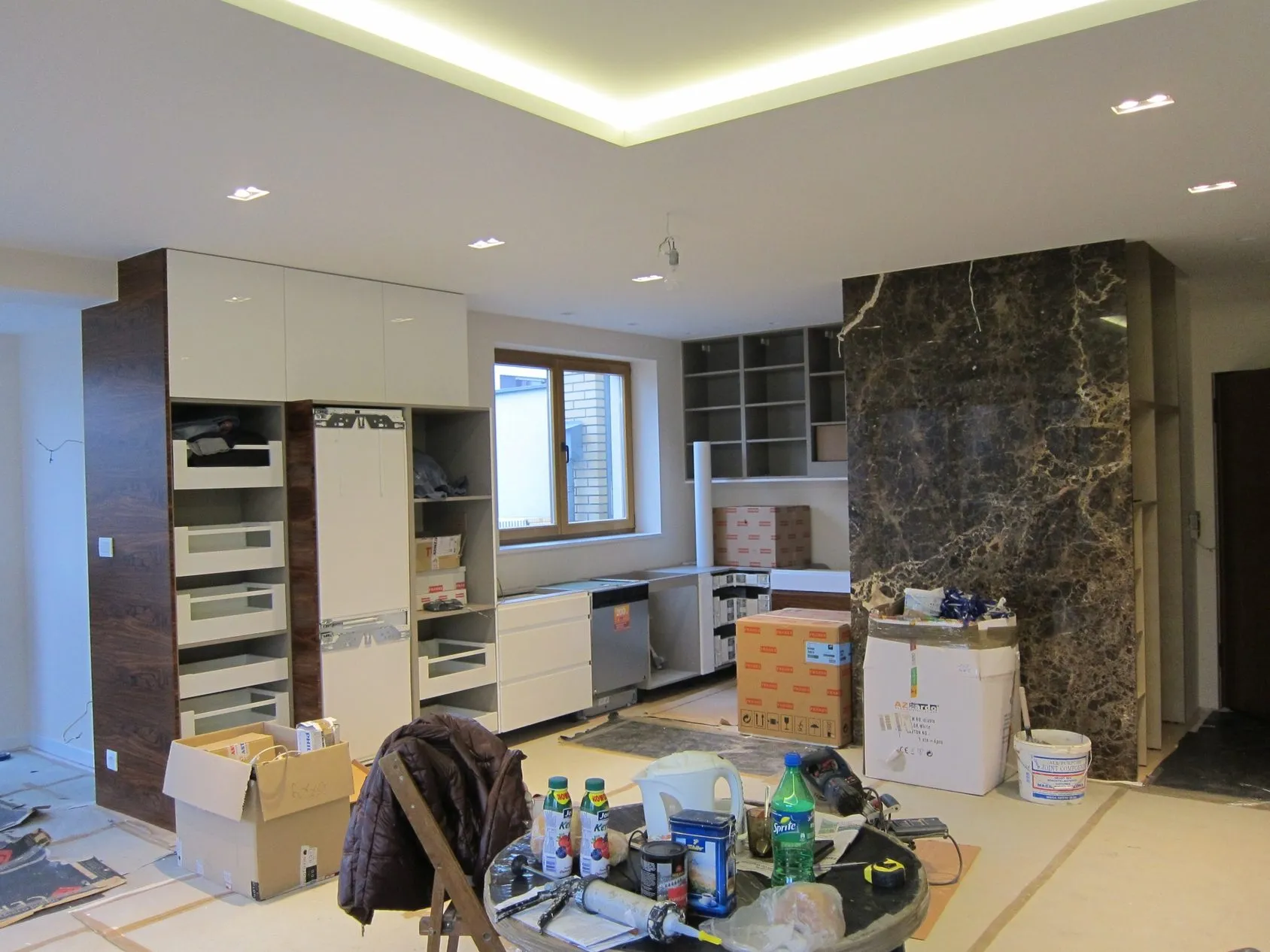
Maybe not the project itself, but the self-appointed supervision I promised the clients. Over a crew I didn't know. For free, on top of that… The cardinal mistakes of a rookie who gets so involved that she forgets about her own interests. It was a project in which I spent a lot of time talking to the clients and creating a space truly tailored to their needs. From the very beginning they stressed using every centimetre, so I planned them a kitchen with cabinets up to the ceiling, lots of clever storage spaces, a nice built-in unit in the living room…it cost me a lot of work and plenty of juggling, but they liked the design.
At least in theory, because in practice the clients went to some kitchen showroom and made quite a few changes. Not only did they not agree any of it with me, I found out about everything after the fact from the crew, when I came for a site visit.
In the end, the whole flat turned out really nicely, and I suspect the clients were happy with the overall result, as was I, but a bad taste remained. All the more so because the crew, which - let me remind you - I was supervising as a favour, behaved terribly.
A woman on the building site
The clients' own contractors badmouthed me behind my back non-stop. Whatever they did wrong, they blamed on the design: ugly cuts, badly set-out tiles… It was really hurtful and caused constant squabbles. That collaboration left me with a huge bad taste, but also with a strong need to set boundaries for the future. Of course, the client has the right to change the design, but you have to make them aware that it comes with consequences - for example, the possibility that you'll refuse to keep looking after the project on site. Not to mention supervising a crew we don't know.
Contractors are an endless topic that can't be left out. How did you cope after those experiences?
The rule is simple: I don't take on site supervision for contractors who aren't my own. I only work with the ones I know and can confidently recommend, and building a team like that took me quite a few good years. These are people who have experience working with designers, who think in completely different terms and know how to work as a team.
Knowing that someone besides us is also keeping an eye on the project is hugely valuable.
Yes! All the more so if you're a perfectionist. I think every beginner designer is like this: even if the crew is good, they lie awake at night over every detail and worry in advance. I'm very meticulous, but today I know that in the long run you can't go on like that; at some point you have to let go. If something is done to 95%, it means it's done well, and I'm happy.
If something is done to 95%, it means it's done well
If you could go back in time and give yourself a few tips, what would you tell Magda at the start of her career?
First rule: it's not your home. When I was doing my first projects, I treated them as my own; I even used phrases suggesting that my name was on the title deed… In a situation like that, it's hard to go home and fall asleep peacefully. Get involved enough to do a good design, but remember that you're providing a service.
Look after yourself and your boundaries. Don't do anything for free, even if you're really tempted! I know that at the beginning you give your whole heart to your work: you make revisions due yesterday, you pull all-nighters and work on holiday, but in most cases all you can count on in return is a month of waiting for a reply and frayed nerves.
Respect your work and communicate it properly, so that the client knows what they're paying for. Design is a job, not a mission, and you deserve proper pay.
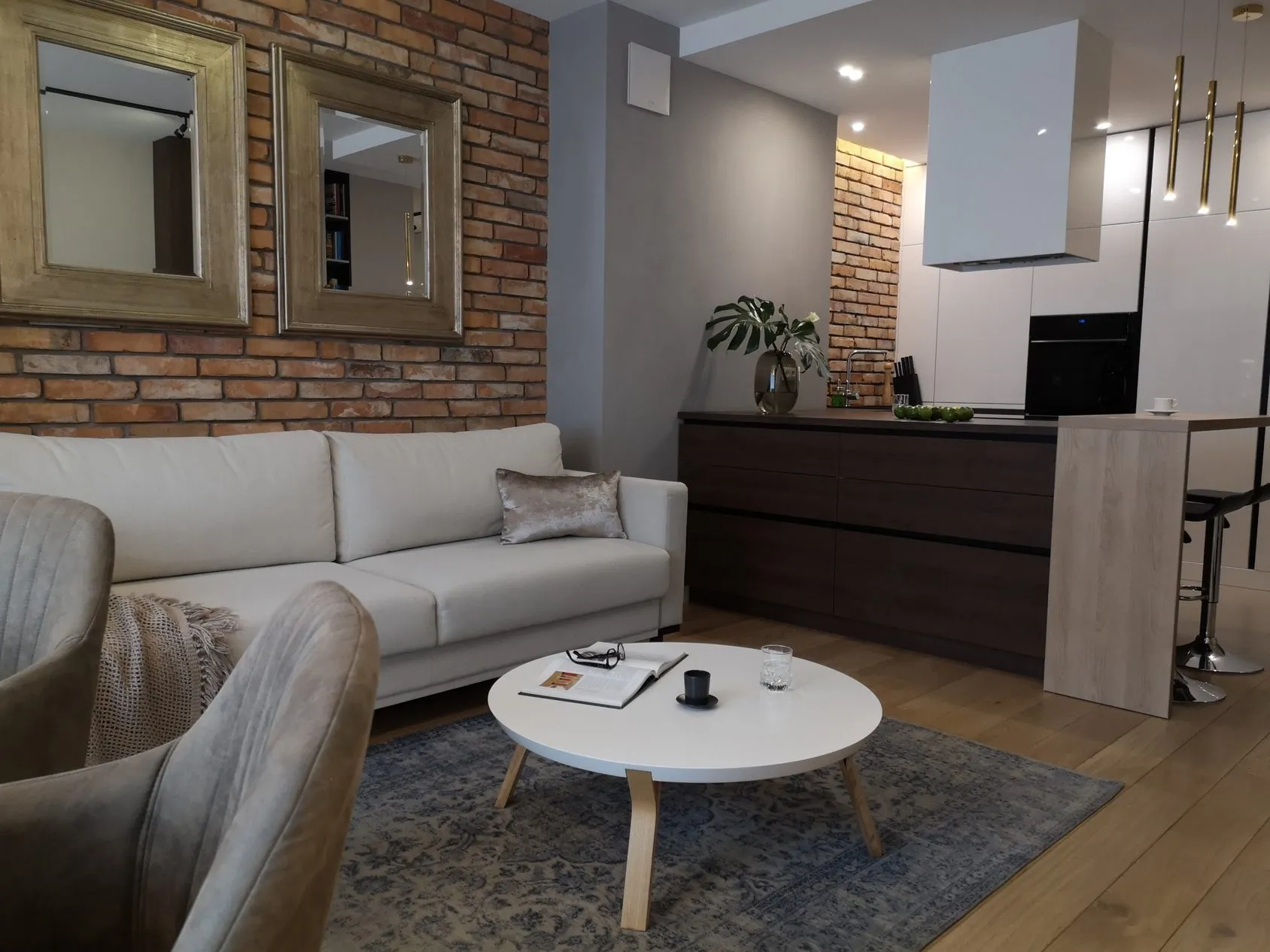
Streamline processes and track your time. Approach design in a business-like way, like the designers working online we talked about earlier. A studio is a small factory in which everything should run smoothly.
Find time for marketing. When I started, I had planned exactly what I needed to do to get going. Marketing, a website, social media… When the first commissions came in, I got so absorbed that I neglected those areas. No matter how much work you have, always take care of the flow of new clients, your presence on the market and building your brand.
And the last, most important one: don't take on site supervision of a crew you don't know. NEVER!
A studio is a small factory in which everything should run smoothly
If not design, then what?
When I moved from the bank to design, I couldn't imagine anything else. Until KIS came along, of course, because that's when I got truly hooked. Working on the app gives me incredible joy and I feel totally fulfilled here; I'm a bit of a creator, an entrepreneur…and whoever we happen to need.
What's it like to create a tool that helps thousands of people in their work every day? Are you proud?
Robert and I have never had a moment where we plonked ourselves down and thought: "well, we've made a brilliant app, now we just sit back and reap the rewards"
We work on it every day, every day we think about what we can improve, and we invariably have tremendous fun doing it.
But of course there are moments when we see how it all works and our hearts swell. We recently received the MUST Have award in Łódź. It was the crowning achievement of our work so far and an even greater motivation for further development. So yes, there is pride, but there's no way we're resting on our laurels.
Finally, a practical question: is there anything you can't do without at work?
- My tape measure
- My husband! (Robert shouts from the other room)
- And KIS List.
And that's where we'll end.