
Everyone starts somewhere… and the life stories of great architects are the best proof. In today's article we not only bust the myth of the "child prodigy", but also bring comfort to everyone who is only at the start of their career and wondering in a panic what on earth to do with themselves.
"Genius four-year-old designs his first skyscraper!"
"Our little Filipek knew from birth that he would be a world-famous designer"
"10 generations of outstanding architects - meet the X family"
Clickbait headlines like these rack up not only views, but also unhealthy ideas about the architect's profession. Yes, it is a world that demands meeting many exacting standards, where famous ancestors, above-average ambition and solid financial backing certainly won't hurt, but the ups and downs of the most outstanding designers prove that you can start from any level.
From a tin shed to Louis Vuitton
I was a truck driver in Los Angeles, I went to City College and tried my hand as a radio announcer, which, to be honest, I wasn't very good at. Then I tried chemical engineering, which I wasn't good at either and which, worse still, I didn't like at all.
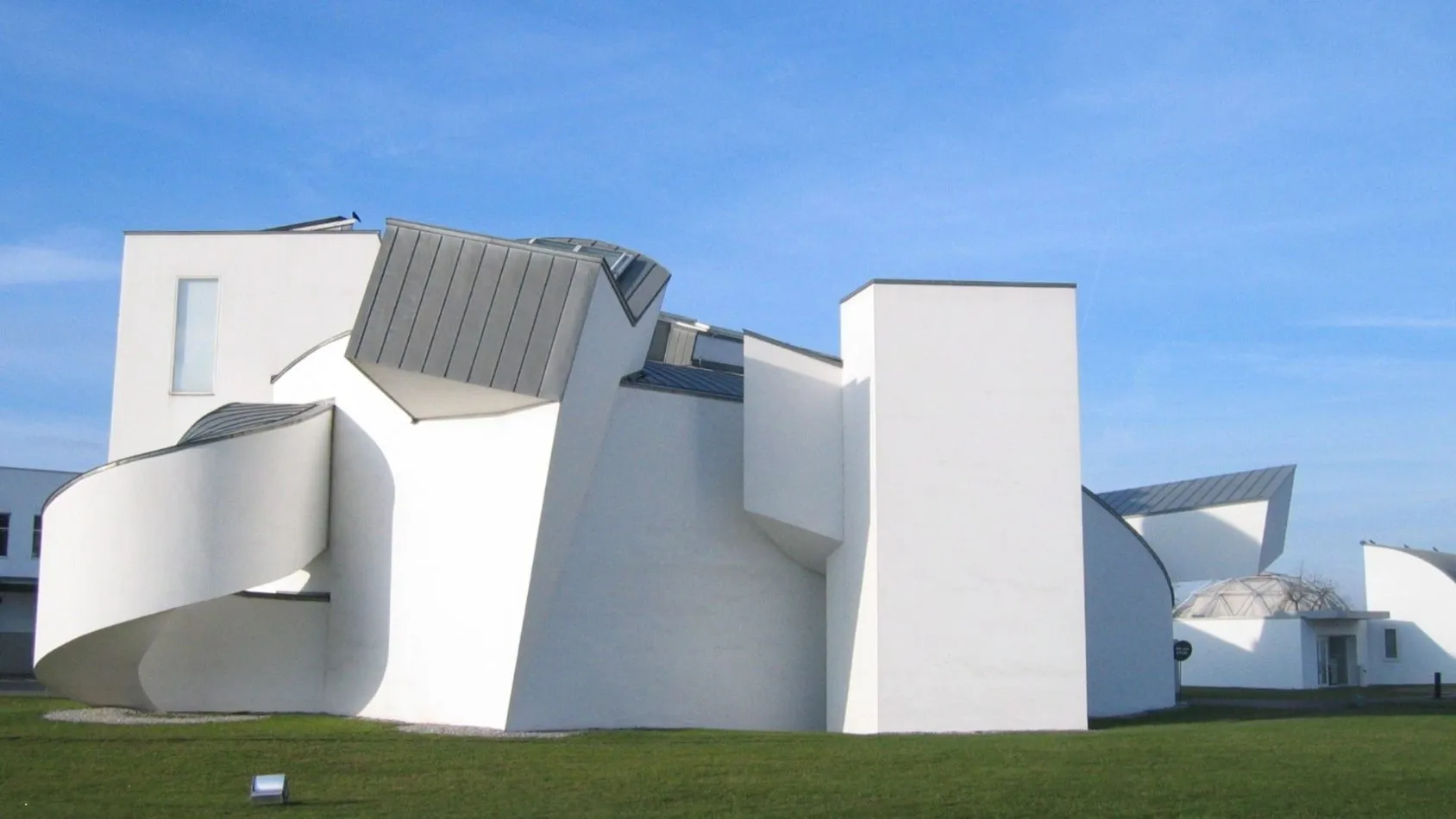
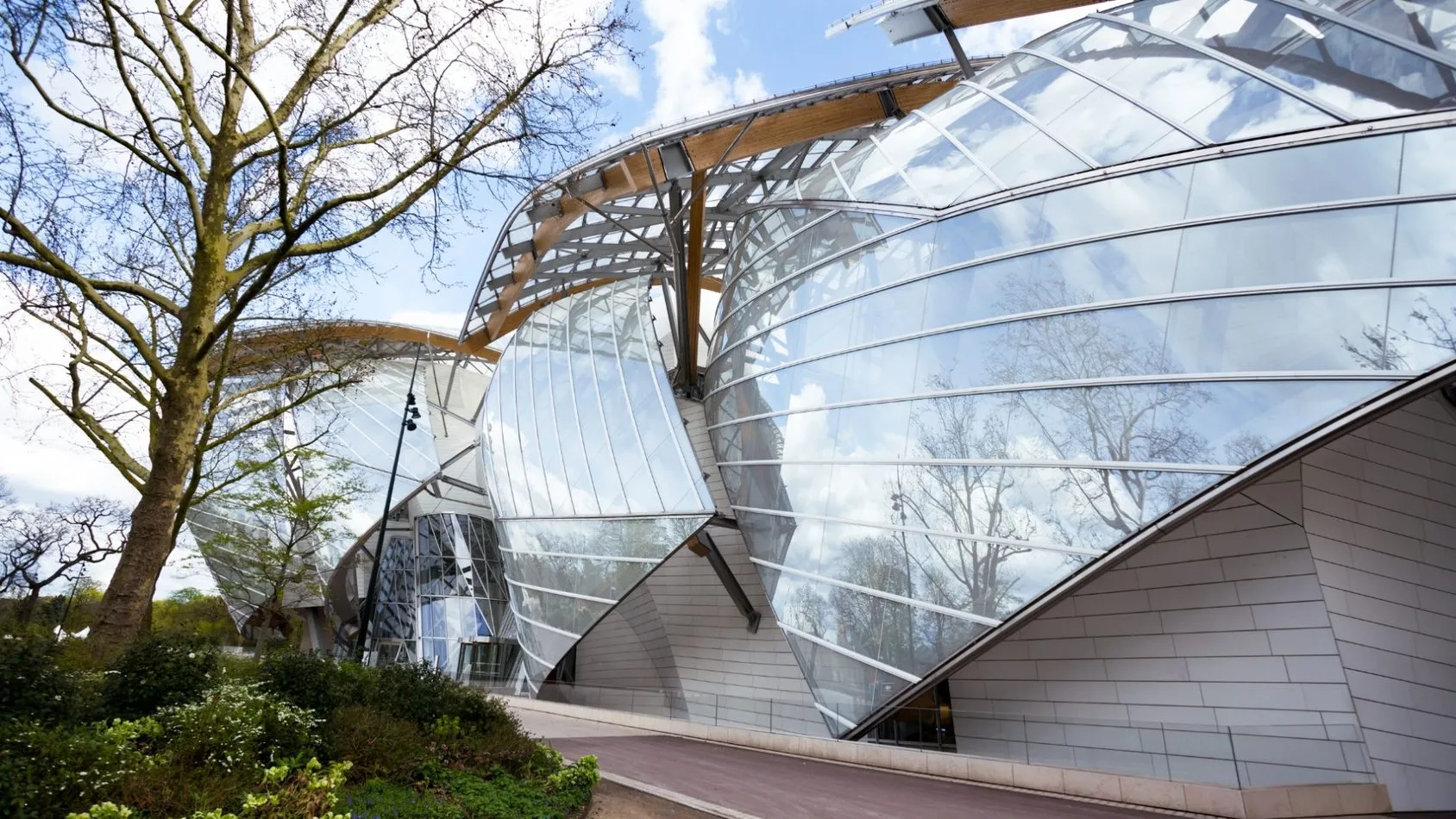
It's hard to believe today, but that's exactly how an outstanding figure of deconstructivism - Frank Gehry - began his career. The architect behind the world's most recognisable buildings (the Vitra Museum, the Louis Vuitton Foundation, the Dancing House in Prague) admits that:
It took a while before I asked myself: What do I like? Where do I want to be? What excites me? Only when I did that did I realise that the answer was art. I remembered my mother, thanks to whom I loved going to museums, looking at paintings and listening to music. I remembered my grandmother and, following my intuition, signed up for a few architecture classes.
Leah Caplan encouraged little Frank to build imaginary cities out of wood, sheet metal and wire mesh from her husband's hardware shop, which clearly influenced the style of his future designs.
The unbearable lightness of being, or how to drop out of Harvard
In a fairy tale, this is where the title card "And he designed happily ever after" would appear, but Frank Gehry still had a few challenges ahead of him. After graduating from the University of Southern California, Gehry took on various jobs, including in the army. He also started another degree, this time in urban planning, at the Harvard Graduate School of Design, but after a few semesters he dropped out for ideological reasons (his supervising professor was designing palaces for a Cuban dictator). Dropping out of Harvard - can you imagine?
Only after returning to Los Angeles, at the age of 28, did Gehry get his first serious commission. Through connections - so we can safely say that nothing has changed in that respect since the 1960s ;)
The man who knew too much
While we're on the subject of dropping out of Harvard, Buckminster Fuller - an American engineer, architect, cartographer and philosopher, best known for the Cloud Nine geodesic dome project - had quite a track record in this field. The creator of innovative structures was expelled from Harvard twice: first for blowing all his money partying with a vaudeville troupe, and shortly afterwards for "irresponsibility and lack of interest". Fuller himself admitted that he was "a non-conforming misfit in the fraternity environment" and didn't fit Cambridge standards at all.
As it turns out - not just theirs. Already in kindergarten he was at loggerheads with his geometry teacher. He didn't accept the idea that a line could be infinite and that a chalk dot on the blackboard represented an "empty" point. When he wasn't arguing with teachers, he made tools and mechanisms out of scrap found in the woods; the knowledge of materials he gained this way came in handy later when he earned a machinist's certificate.

Family is best enjoyed in photos
In the following years, Buckminster worked as a mechanic in a mill and as a rank-and-file worker on an assembly line in the meat-packing industry. During the First World War he served in the US Navy, where he was a shipboard radio operator, a publications editor and the commander of the rescue boat USS Inca. After his service he went back to the meat-packing industry, this time promoted to a management position, but he knew perfectly well that he was completely unsuited to the job.
In the early 1920s he set up a company with his father-in-law and developed his first serious project: a concept for lightweight, weatherproof and fireproof houses that were meant to solve the housing shortage for less well-off citizens. Unfortunately, after a few years the business went under, and Fuller was left with huge debts, a family to feed and deepening depression.
Reportedly, the only things that kept him alive were the thought of further inventions and the idea of an experiment to discover whether one person could be the start of change and benefit all of humanity.
Brilliant ideas are born in cafés
The turning point in his life was a casual job at a popular café in Greenwich Village, which he decorated in exchange for free meals. The owners also let him give weekly informal talks about designs and architectural ideas, which began to draw ever larger audiences. During one of them, Constantin Brâncuși dropped into the café and, intrigued by Fuller's ideas, decided to introduce him to a few influential people from the art world (including Isamu Noguchi)... And that's how it all began.

The careers of other great designers also began behind the scenes of the food business. A perfect example is the designer of the world's tallest viaduct and the world's second-largest building. The richest living architect, who, apart from an international reputation and a fortune estimated at $240 million, can also boast the title of lord, awarded for outstanding services to art and culture. Who are we talking about?
The night shift at the bakery
Norman Foster, of course, who, to pay for his studies at his dream university, worked among other things as a night-shift worker in a bakery, an ice-cream seller and a security guard.
Coming from a poor family, the shy Foster doesn't have the fondest memories of his childhood and teenage years - and no wonder. Constantly overworked parents and peers whose favourite pastime was bullying today's architecture star made the boy withdraw completely into himself. He spent whole days alone at home, devouring tons of books on all kinds of subjects (the wide-ranging knowledge he gained this way would later be reflected in his designs). At 16, Norman left school to support his parents financially and passed the exam to become a junior clerk at Manchester Town Hall.

The next item on his CV was military service in the Royal Air Force (during which his fascination with aviation and aerodynamics grew), and after returning to Manchester he became an assistant to the contracts manager at a local architecture practice. The sketches he made after hours impressed his boss so much that he quickly promoted Foster to draughtsman; what's more, he persuaded him to go to university and helped him prepare for the exams. It was spot on - at university the shy boy finally felt the wind in his sails, and a scholarship and numerous awards confirmed he had made the right choice in life.
The prince who pushed a mop
To say that our next hero (despite slaving over the pots) had a different start would be an understatement. The parents of the Indonesian interior designer Jaya Ibrahim were a Sumatran diplomat and a Javanese princess; so he spent his childhood in the lap of luxury, seeing almost the whole world at an age when most of us were just getting out of nappies. His life could safely be called a fairy tale, if not for one important detail: from childhood Jaya wanted to become an architect, while his parents, who dreamed of a business career for their son, did everything they could to put him off. In line with their wishes, Ibrahim dutifully graduated in sociology and economics from the University of York, worked as an accountant for a year, and then, in true movie style, dropped everything and took a job washing dishes at Blakes Hotel in London.
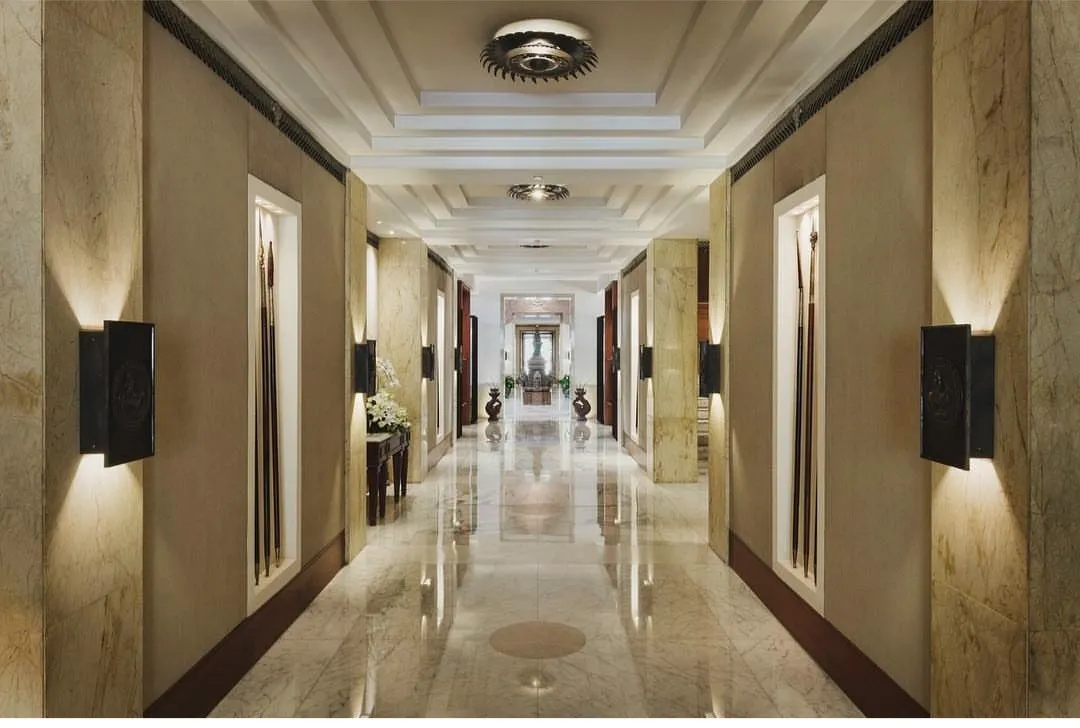
As luck would have it, the place belonged to Anouska Hempel - a well-known actress, interior designer and investor. After he moved from the sink to waiting tables, Anouska noticed his creativity and attention to detail when laying the tables and offered him a job as her assistant. Under Hempel's patronage, Jaya completed a number of successful projects that later allowed him to set up under his own name.
"But child, how are you going to make a living?!"
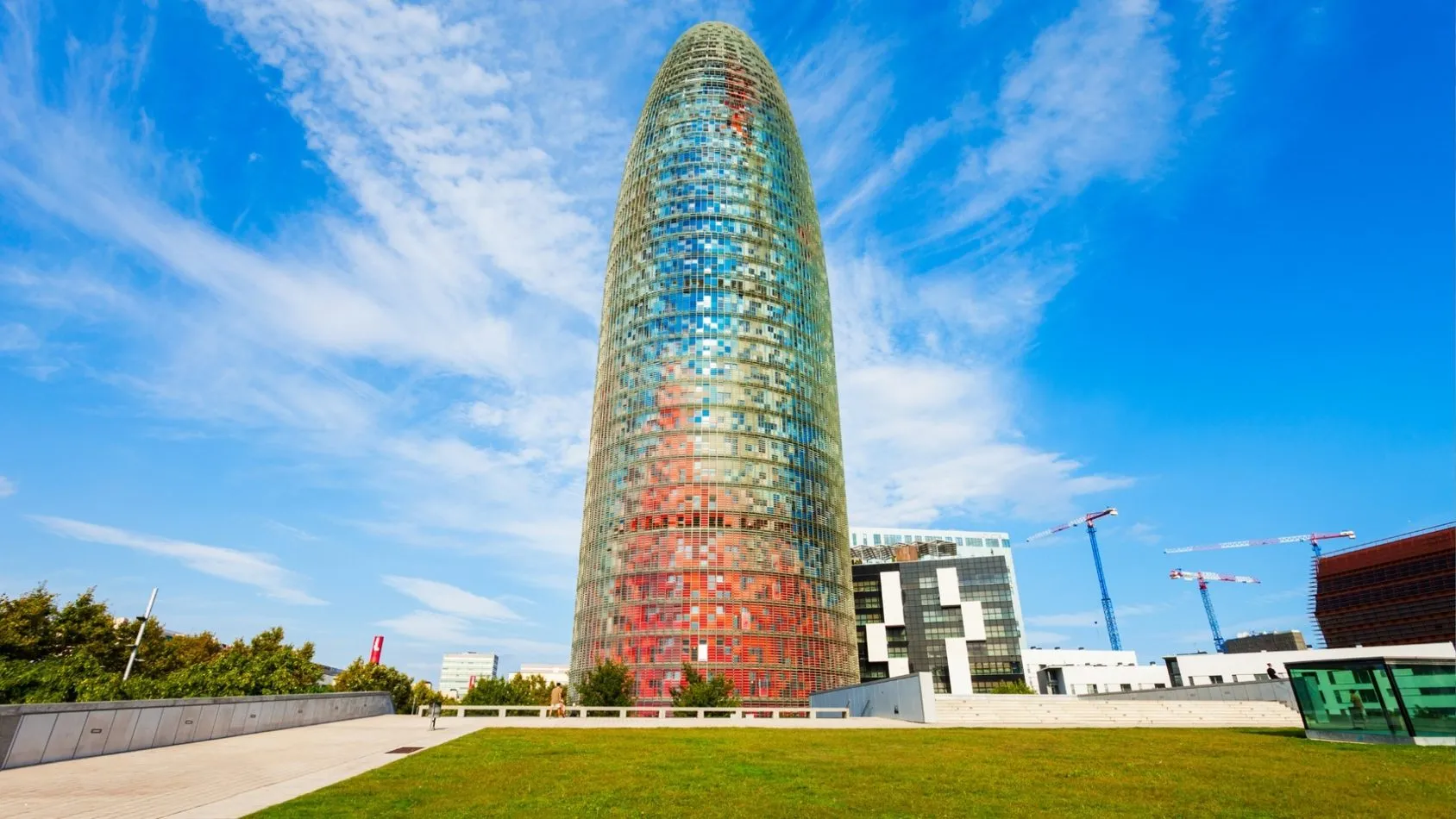
We bet Jean Nouvel heard that question more than once. The Pritzker Prize winner and architect of Torre Agbar (the symbol of modern Barcelona) didn't have it easy with his parents either. While the teacher couple pushed him to study languages and science subjects, their son, fascinated by art, focused mainly on drawing.
Horrified at the prospect of an artist in the family, Jean's parents compromised and agreed to architecture school, which they considered the lesser of two evils and less risky than graphic art or painting.
Gio Ponti learned first-hand that family can be a real source of strength. How would his career have turned out if not for his marriage to Giulia Vimercati? Given his talent and hard work, probably much the same, only far more slowly. The marriage brought him into an influential Milanese family connected with the enterprising Borletti family. The owners of factories and department stores took the young artist under their patronage and funded a number of projects in Milan, entrusting him with designing buildings from A to Z.
Literally… Gio started with the concept for the Borlettis' town house and finished with their family tomb in Milan's Monumental Cemetery.
A rebel in beige silk
One of the most surprising figures in today's line-up is Kelly Hoppen. The queen of elegant interiors, owner of a design empire and the godmother of taupe was (to put it mildly) quite a troublemaker, and her road to success can hardly be called typical.
After her father died, Kelly moved with her mother to South Africa, where as a teenager she started playing in a rock band. She was arrested at the time for working with Black musicians and breaking the rules of apartheid. Shortly afterwards, riding a wave of rebellion, she decided that school wasn't for her; at 16 she left school and, as she had a good eye for detail, accepted an offer to design a kitchen for a friend's family.

The kitchen was seen by a family friend, the well-known racing driver Damien Hunt, who commissioned the young artist to design the interiors of his villa. Other drivers followed his lead, as did actor friends (including Martin Shaw), and before anyone knew it, Kelly was choosing fabrics and materials for the Beckhams' mansion, fitting out the interiors of luxury yachts and designing collections for Disney.
Architects are human too
The world of architecture loves grandeur and success, but the other, more human side of the profession is rarely mentioned. That's a pity - knowing that behind every great story there is a person, torn by dilemmas just like us and looking for their place in the world, helps you better understand both the intentions and the designs themselves. That's why we decided to quiz some designer friends of ours and find out what their beginnings in the profession looked like.
Expect a solid dose of inspiration in the upcoming posts, and in the meantime here's a little warm-up riddle: in 1878, the director of the Barcelona School of Architecture, handing a diploma to one of the students, is said to have announced:
We have given this title either to a fool or to a genius. Time will tell.
Can you guess who it was?