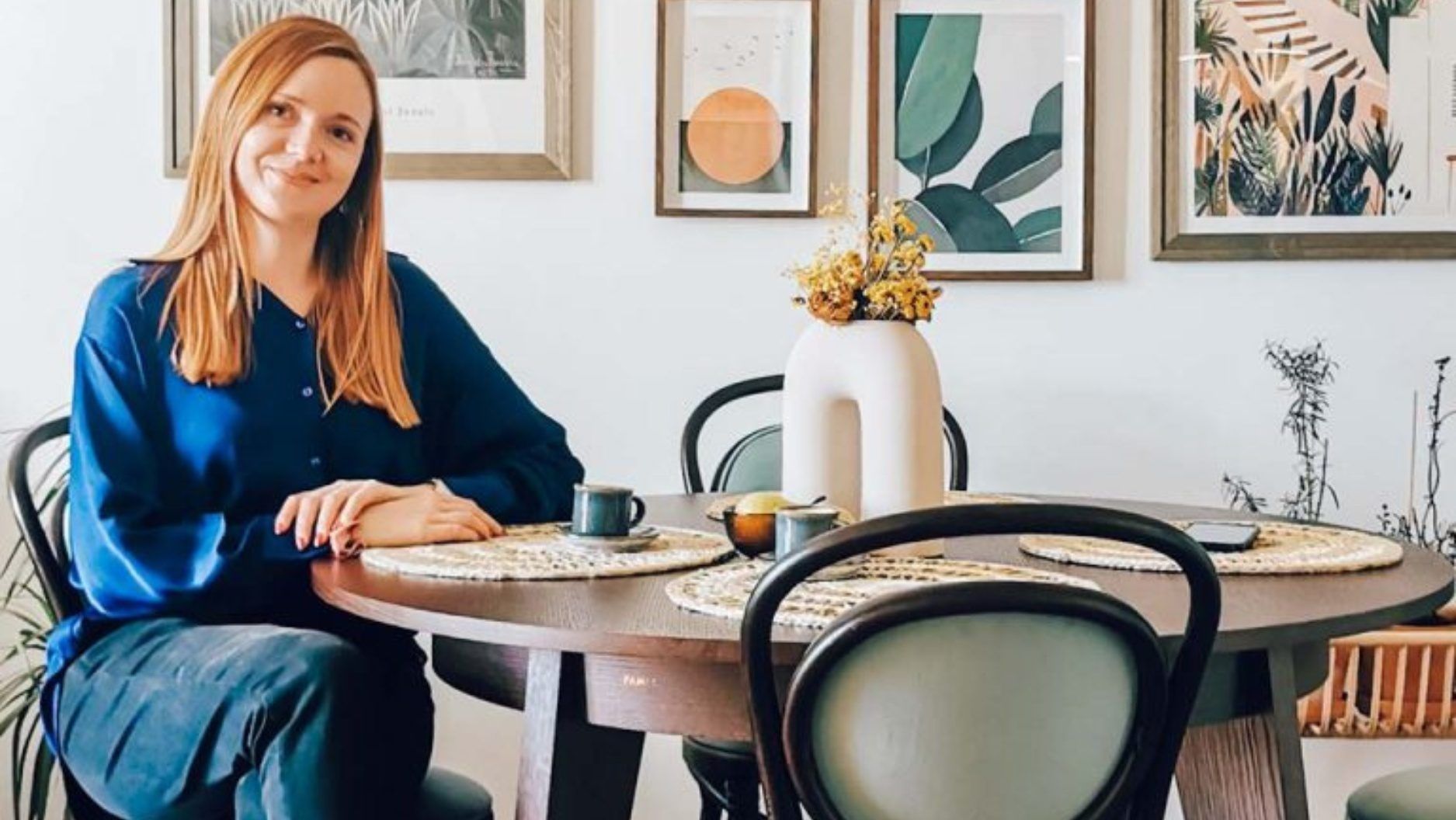
Assertiveness as an interior designer - a sign of professionalism.
A real-life situation. At the start of working together, a client says to me:
Magda, I'd like to use your interior design services. We'll meet, and I'll tell you how I see it. Once we've agreed on everything, I'll give you the keys to the flat and you can do whatever you like. I'm going to Germany for six months.
I love conversations like this. That vision the client has that we, as interior designers, without involving them in the whole process, will get inside their head and with a magic wand turn their flat into the interior they imagined. Unfortunately, it doesn't work like that, although that's often how our clients see us.

However, we can always say "no".
In the previous part of the article I discussed 3 situations in which it's worth turning a client down:
- when they need a different specialist;
- when they expect praise for having designed their flat brilliantly on their own;
- and when their budget isn't sufficient.
Today, drawing on more of my experiences and on delving into the secrets of our profession, I'm continuing the topic.
So when is it worth saying "no" to a client?
When the client needs a specialist project.
Magda, I'm setting up a small clinic. Max 3-4 consulting rooms, including one treatment room, and a reception. A small project. There won't be too many changes, or too many furnishings either. As you'd expect in a clinic. Would you take on this project?
Well, I couldn't disagree with the client. The clinic really wasn't big. Its layout was well designed, and the expectations regarding the furnishings or wall colours were modest. Why not? It's always one more project for the portfolio.
But hang on a minute. Doesn't designing a medical clinic require specialist knowledge? Exactly. And this is where things get tricky.
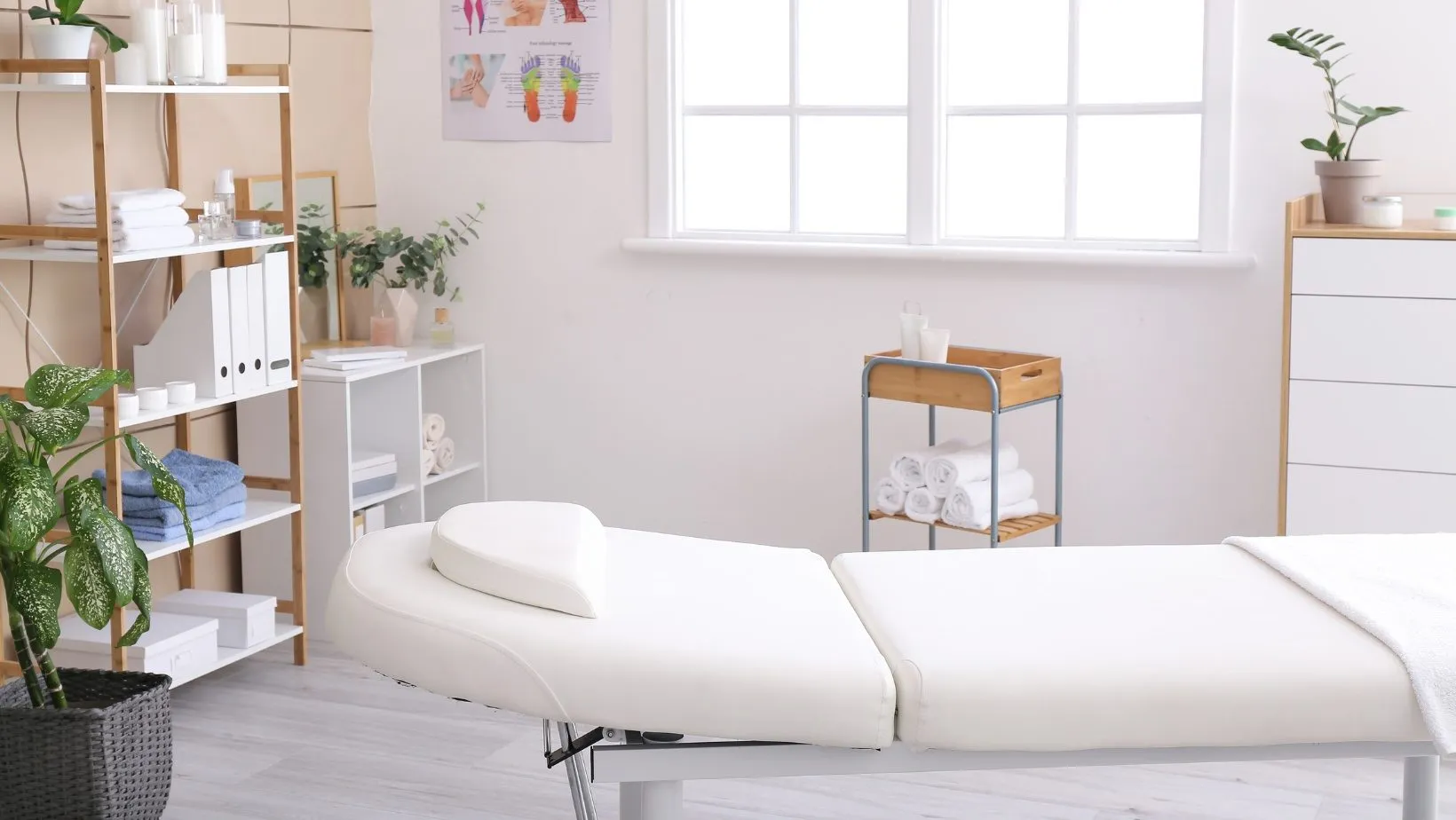
Specialist projects require specific knowledge. Of course, depending on the project, you need to know the sanitary and epidemiological standards, the ergonomics guidelines, or even just be familiar with the specialist equipment of the rooms in question, from which you'll put together the shopping list.
Let's not kid ourselves. Not everyone is a specialist in a given field, and none of us designs everything.
In situations like this, it's worth asking yourself:
- Do I have the necessary knowledge, or access to it, to carry out this project?
- Do I have the time, the will and the patience to get to the bottom of the subject?
- Do I feel confident enough about this project to risk it failing?
In situations like this, it's worth saying "no".
Turning down a project like this is a sign of respect for the client and for yourself, and also proof of your professional self-awareness.
Turning down a project that doesn't match your skills or experience protects you and your image not only from making mistakes in the project, but above all from the frustration that the project could cause you.
Of course, it may also turn out that an offer of a specialist project becomes the beginning of a new adventure for you in interior design. And that's a good path too. The most important thing is that when you decide to take on a project that requires specialist knowledge, you do it consciously and stay true to yourself.
When the plans for the property are vague.
Several times I've heard a client say:
Magda. We want to have the interior of our flat designed. Well, actually, we don't know yet whether we'll live in it or rent it out. And who knows, maybe we'll sell it? We'll see what fate brings. The only thing we know is that we want to furnish it somehow.
What do you do in a situation like this? How do you approach the project? And most importantly, who are you designing for?
Without a clear understanding of what the client intends to do with the property, it's hard to determine the right style, functionality and budget for the project. Each of these goals requires different approaches and different design or functional solutions.
For example, a house intended for sale may need a more universal design that will appeal to a wider group of potential buyers, while a design for a family home can be more personalised and focused on the individual needs of the people living there. You know how it is.
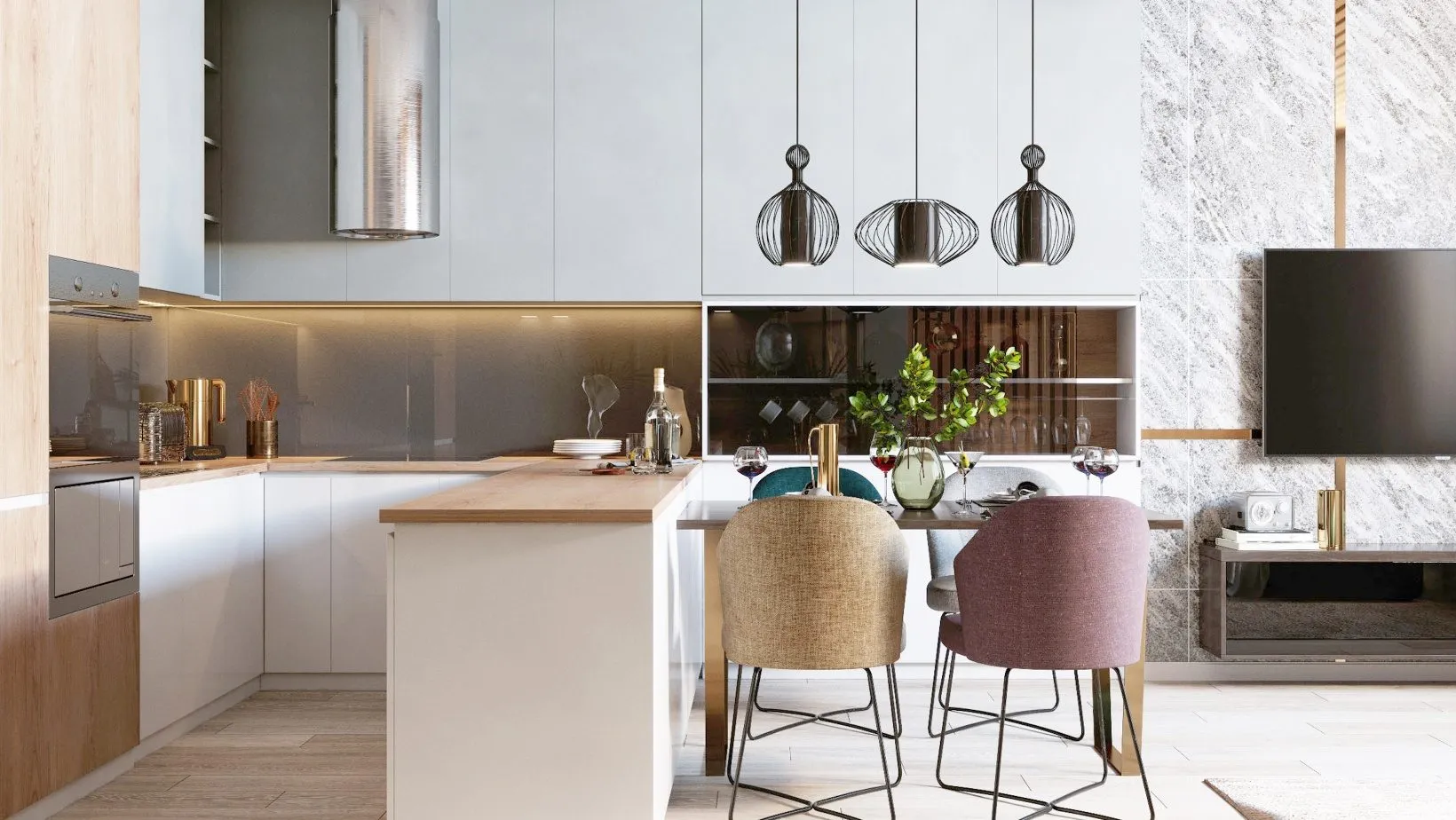
What's more, uncertainty about the property's future use often makes it hard to take decisions about the project. Not only when it comes to the furnishings themselves, but even on such a basic matter as setting a realistic budget.
Investment in renovation and interior decor can vary considerably depending on whether the property is to be sold, rented out or used personally.
All of this drags out the design process, leading to uncertainty and last-minute changes that can be costly and time-consuming. In the worst case, to the project being abandoned. And none of us wants that.
It's worth considering whether we're ready for the risks that come with working with a client who doesn't know how the property will serve them.
We, as interior designers, risk a lot, and the uncertainty in a project alone can cause us a lot of frustration and dissatisfaction. That's why in a situation like this it's worth saying "no" to the client.
When the client has priorities other than the interior design project.
Remember the story I told at the beginning?
Every one of us has at some point come across a client who expected us to carry out the project while involving them in the whole process as little as possible. It's not an easy collaboration.
Personally, I don't know a way of carrying out an interior design project without involving the client in the whole process. How am I supposed to know their tastes, sense of aesthetics or lifestyle in order to create an interior that meets their expectations?
A lack of communication and involvement on the client's part makes it hard to get the information we need, and that in turn puts us at risk of designing a space that won't meet their expectations.
That's why I believe it's worth saying "no" to a client like that.
We need the client to make a whole series of decisions throughout the design process. Their lack of involvement can only delay the whole project, frustrate us, and affect our efficiency and finances.

In a situation like this, it's worth talking to the client and explaining why you need their involvement. Most clients don't know what working with an interior designer involves, so our role is to introduce them to the whole process.
If the client's approach doesn't change after you've talked, it's worth thanking them for wanting to work with you and inviting them back when they have the right time and space to get involved in the project.
Our role as interior designers isn't limited to the creative side. We often have to step into the role of adviser and collaborator, and sometimes say "no" to take care of ourselves, the quality of our work and the client's satisfaction, even if at first the client may not see it that way.
Every "no" is a step towards becoming a more self-aware interior designer.
We have to be ready to say "no" when the situation calls for it. It isn't easy, but it's key to keeping the quality of our work high and our clients satisfied.
Sometimes saying no is the best solution, one that lets us avoid frustration, misunderstandings and dissatisfaction. What's more, the ability to judge whether a project is right, and when it's better to decline, is an important part of our professional development.
In interior design, as in any other profession, understanding your limitations and capabilities is key. When you say no, you're guided not only by your own skills, but also by the client's best interests.
In the long run, this attitude builds your professionalism and trust, which are invaluable in this industry.
Remember that every "no" is another step towards becoming a better, more self-aware and respected interior designer.