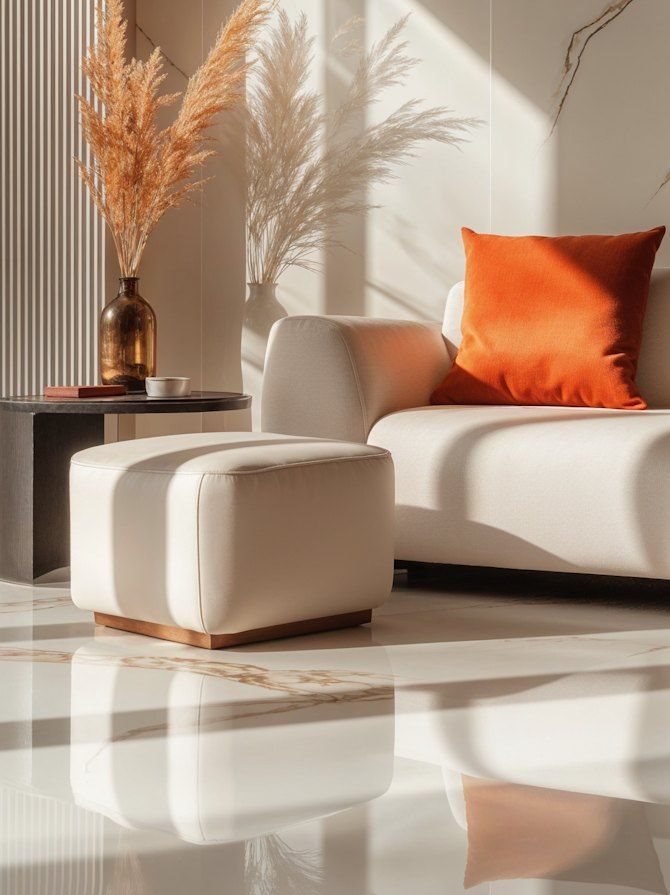
What would our profession look like without mass production and the aesthetic needs that came with it? Well, as designers we would probably be at the same point as the people who furnished spaces at the end of the 18th century, when the profession of the interior architect - unnamed and inseparably bound up with the creators of buildings - remained in limbo. It's high time to discuss the events that brought us, designers, to where we are today.
It all started with a revolution. The Industrial Revolution, to be precise, which ushered us into a new, previously unknown world. Begun in the second half of the 18th century, in the heart of Great Britain, it marked the start of global change on an unprecedented scale.
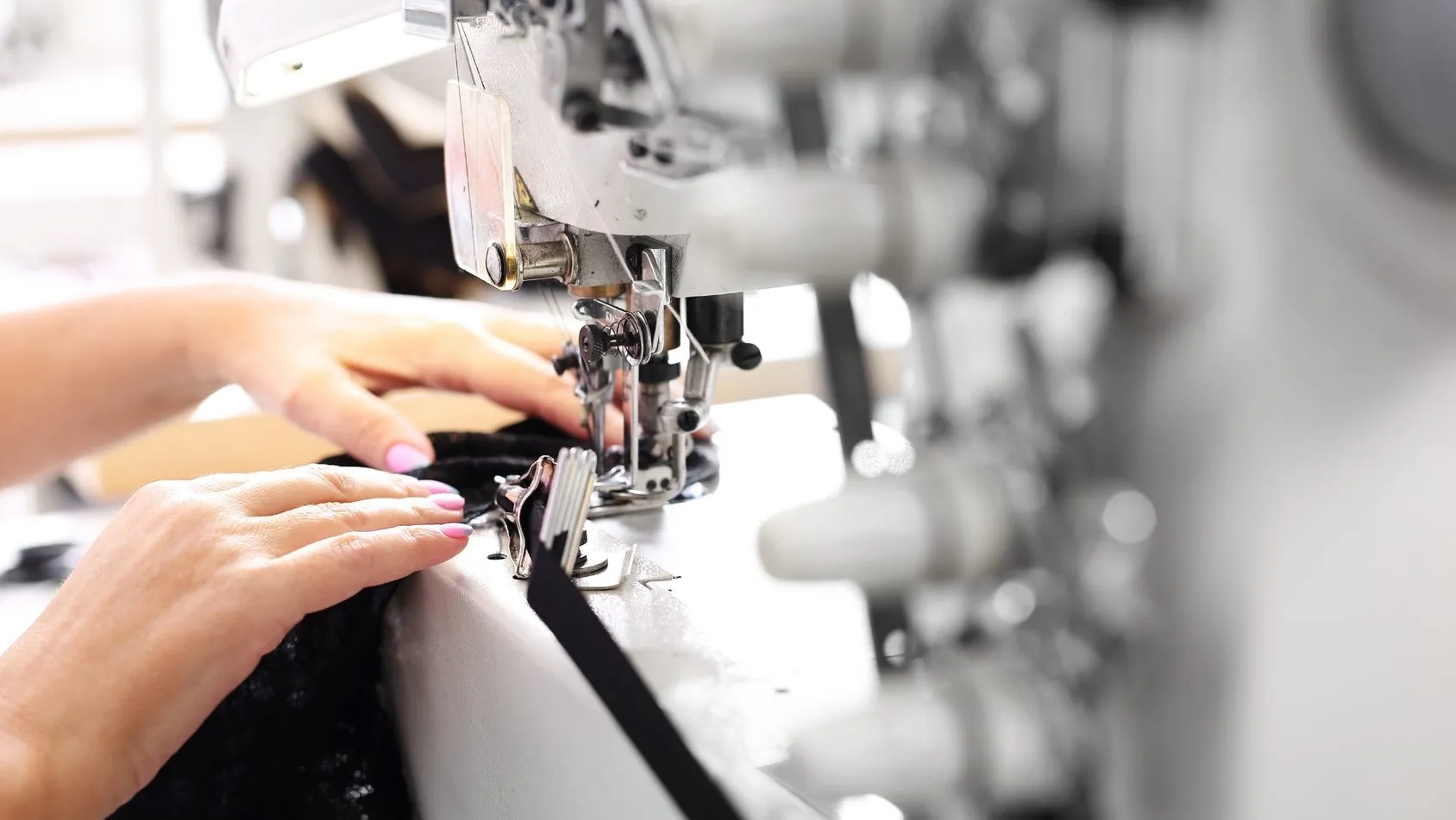
Let's imagine the excitement when telegraphs, gas lamps and sewing machines reached the hands of their first users. Let's imagine technologies that, after hundreds of years of stagnation, made the world faster and ever more accessible. During the two phases of the Industrial Revolution, new inventions dominated not only factories, construction sites and transport, but also shaped the field of interior decoration. Industrialisation gave it the character we know to this day.
The evolution of the urban fabric
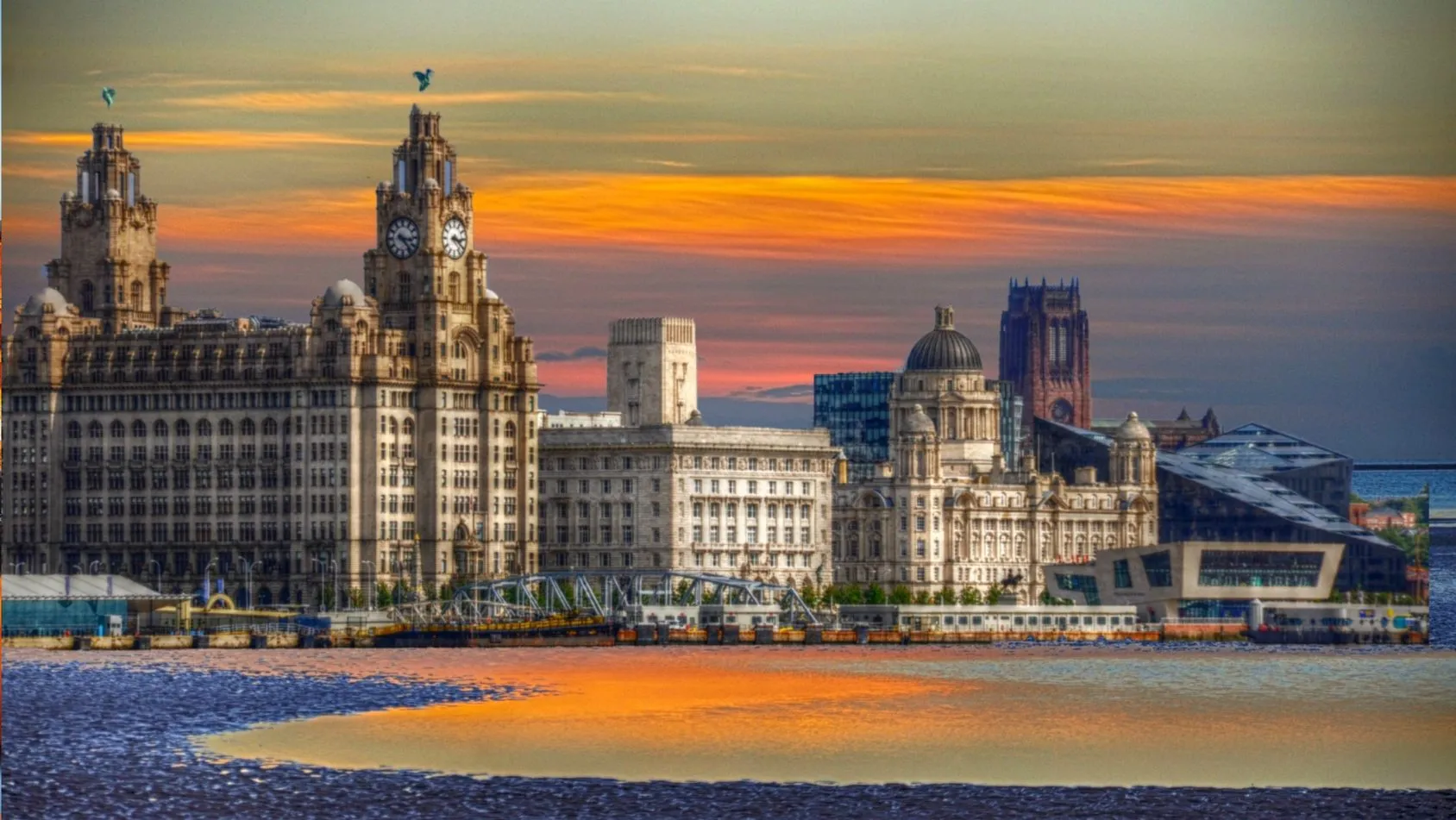
During the first phase of the Revolution, lasting from around 1760 to 1840, farm workers were rapidly losing their jobs as more and more machines rolled into the fields. At the same time, small urban workshops were turning into huge factories that needed hands for assembly-line production. Looking for new sources of income, people migrated en masse to the big cities, and in cities such as Manchester and Liverpool, living spaces in forms never heard of before sprang up overnight. Workers' estates full of terraced houses, multi-storey buildings full of small flats… with the arrival of the machine age, it was not only the landscape that evolved, but also the urban fabric.
The second phase of the Industrial Revolution brought further great changes. Mass production was gathering momentum, and with it the aesthetic preferences of residents changed. Patterns and forms evolved to match the aspirations of the emerging bourgeoisie, which, aspiring to the upper class, wanted to surround itself with luxury products. Rising aspirations defined the approach to furnishing interiors, which from then on were meant to be not only functional but also fashionable. Thanks to the Industrial Revolution, the home became a testament to one's lifestyle.
Mass production, or new horizons for design
The arrival of machines in factories changed the furniture market forever. There was no longer any need to rely on the work of craftsmen and their time-consuming production methods. Making furniture became fast and efficient, which opened the door to a wide range of customers. Let's picture it - one moment we live in a room that has held a measly three pieces of furniture for years (passed down from generation to generation), and the next we get the chance to choose from hundreds of objects whose names we don't even know. Sofas, armchairs, chests of drawers, linen cupboards… Now, right away, off the shelf. In dozens of finishes and patterns.
Total madness!
New materials and technologies: creativity without limits
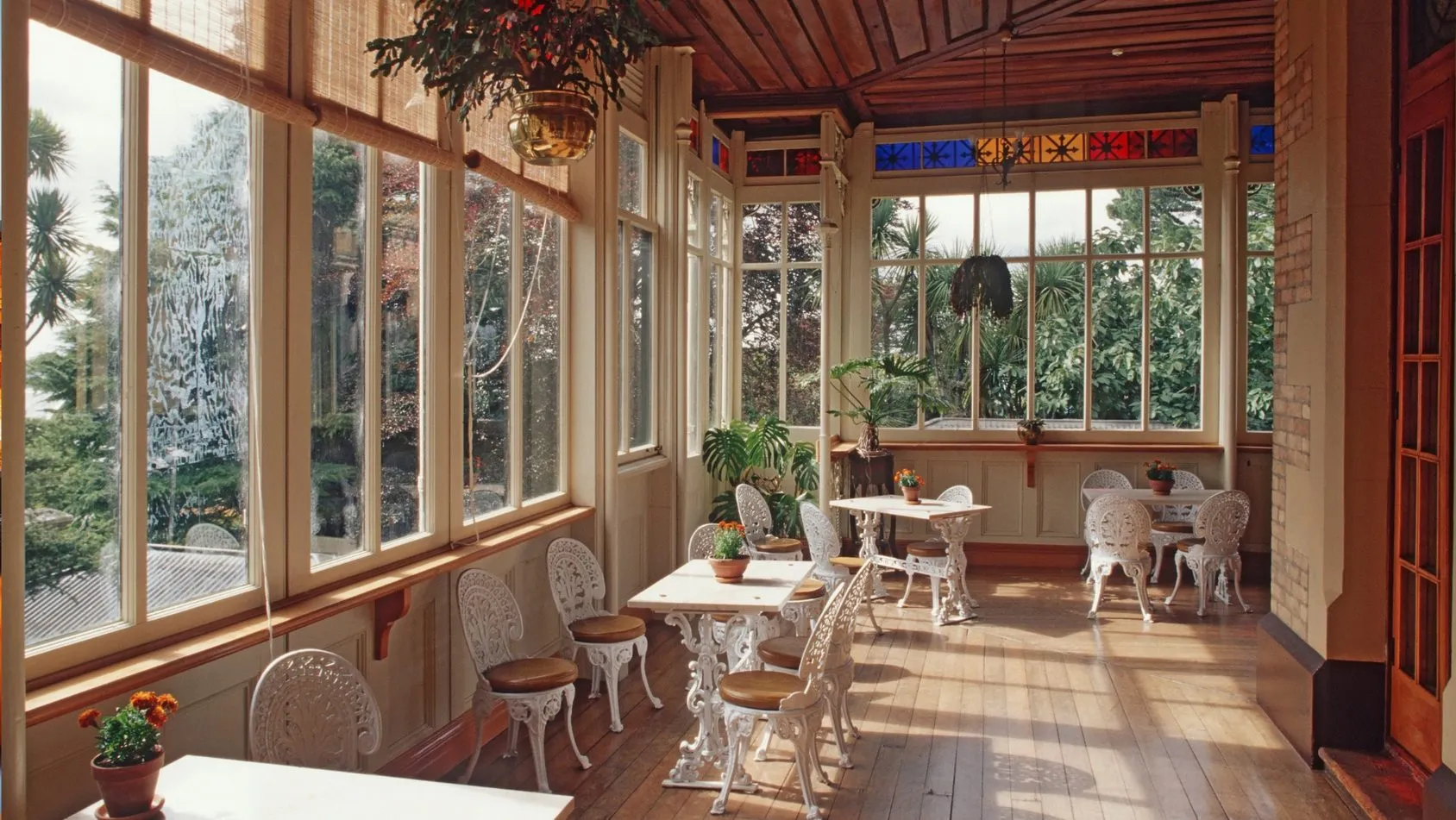
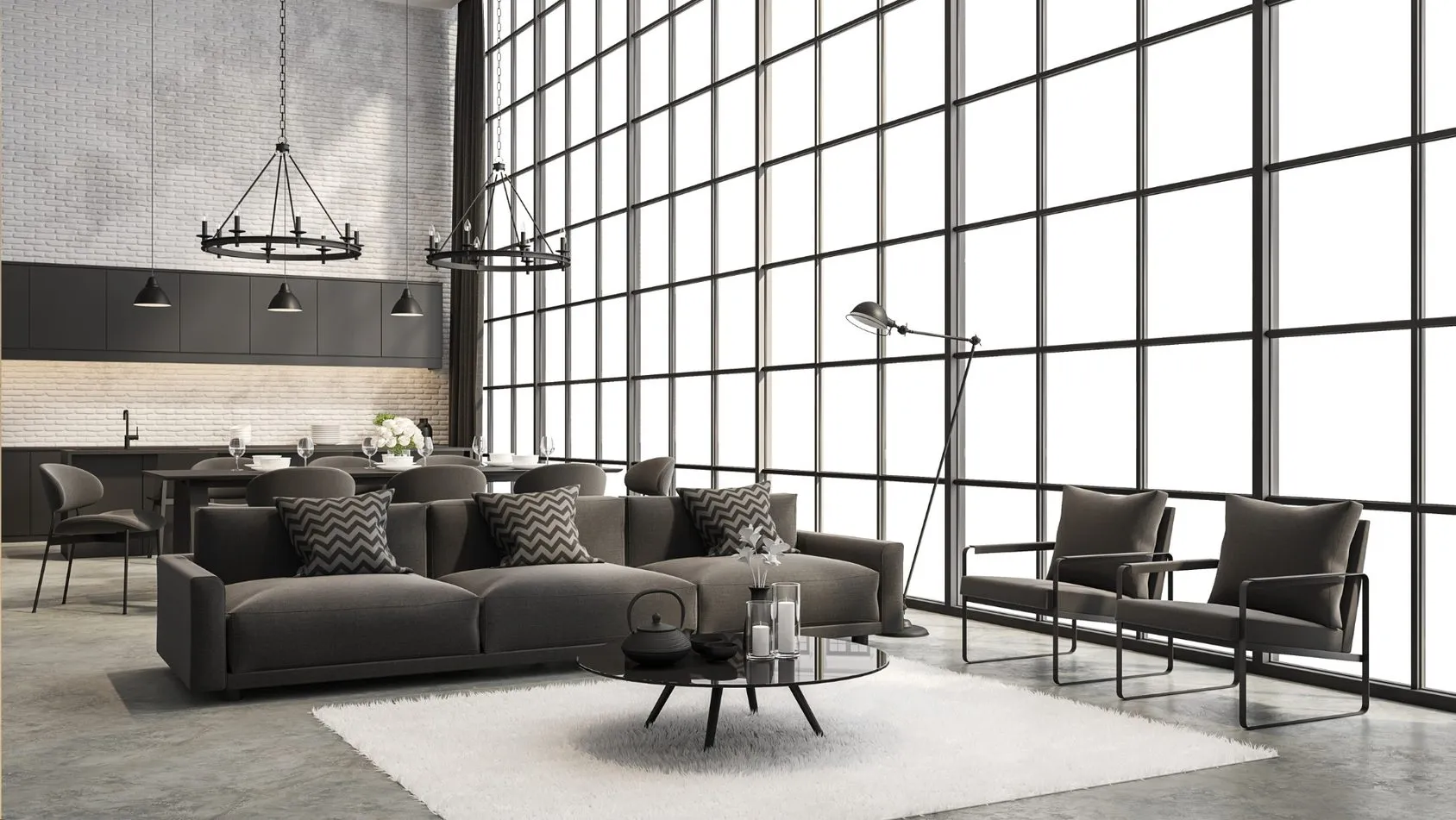
Another big change came with new materials and technologies. The appearance of steel and cast-iron components in interior furnishings and finishes revolutionised the approach to form and function, giving creators unprecedented freedom. Cast-iron structures made walls disappear, and open spaces - drawing rooms, music rooms and games rooms - became the focal point of the home. Thanks to new bentwood (steam-bending) techniques, designers took on forms that had previously seemed impossible.
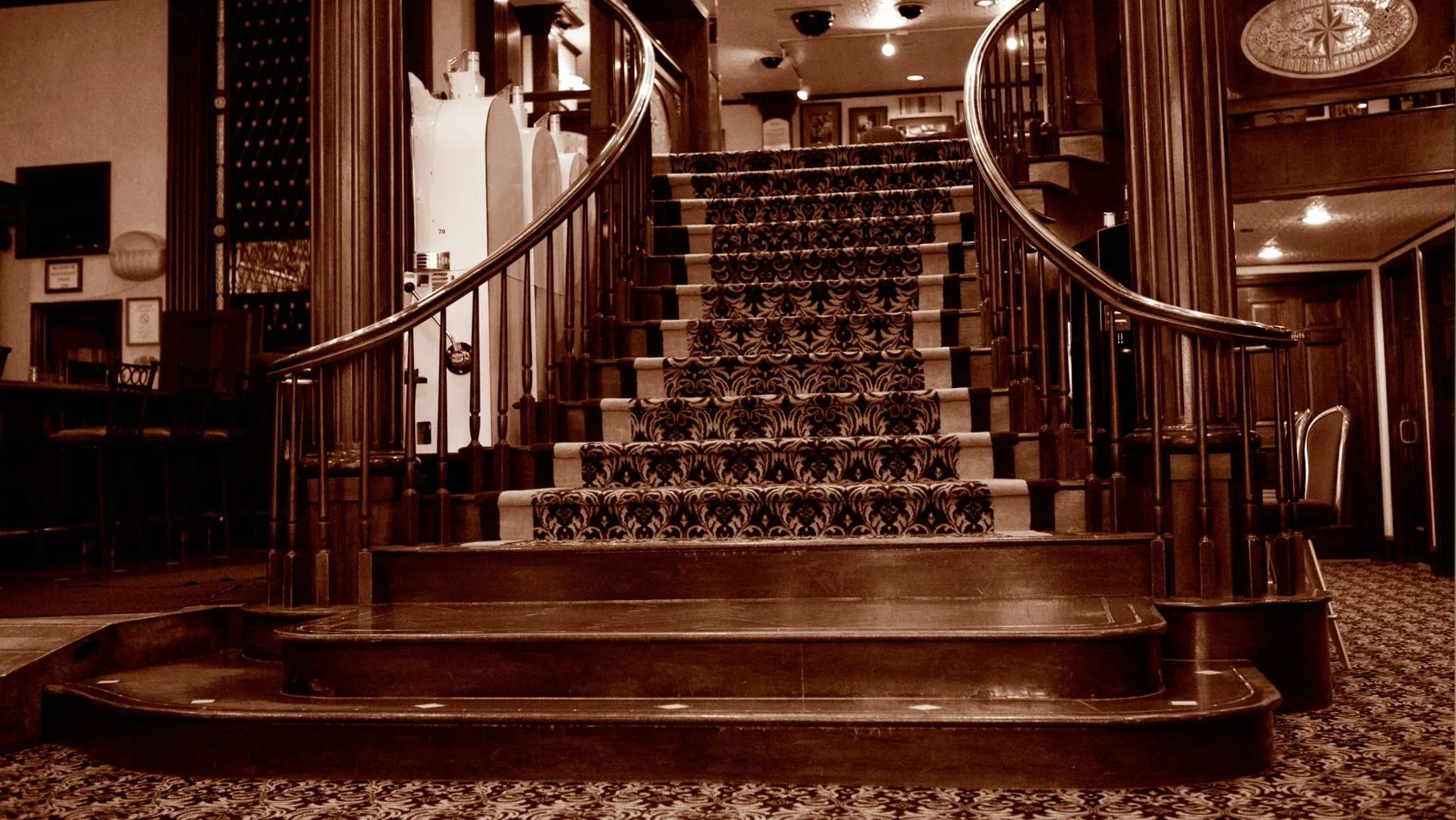
In such conditions, it was easier to think not only about the practical side of interiors but also about aesthetics. For with the arrival of choice came a phenomenon that had been an abstraction for most people: STYLE.
Something for everyone
The introduction of new inventions, such as steam engines, power looms and spinning machines, revolutionised the production of textiles, wallpaper and furniture. Production grew, and with it expectations; this was a time when quality gained importance and the market began to segment. When buying a particular brand, customers could be sure they would get a product of consistent (that is, recognisable) quality, and this trust laid the foundations for brands, some of which still exist today. Thonet, Tiffany, Wedgwood… the biggest players on the market boldly bet on innovative solutions and constantly searched for new forms.
Stylistic globalisation
The Industrial Revolution not only transformed the face of industry but also opened up space for entirely new styles. Easier access to international markets (mainly through colonial trade) gave European designers access to exotic inspiration. The early days of the Industrial Revolution are mainly associated with the Victorian style, which homes adopted in every conceivable variation. In the second phase of the revolution, people drew ever more boldly on all kinds of cultural influences, and since Great Britain had plenty of sources to draw from, exceptional interiors began to appear…
The Exotic Dream Book, or the weirder the better
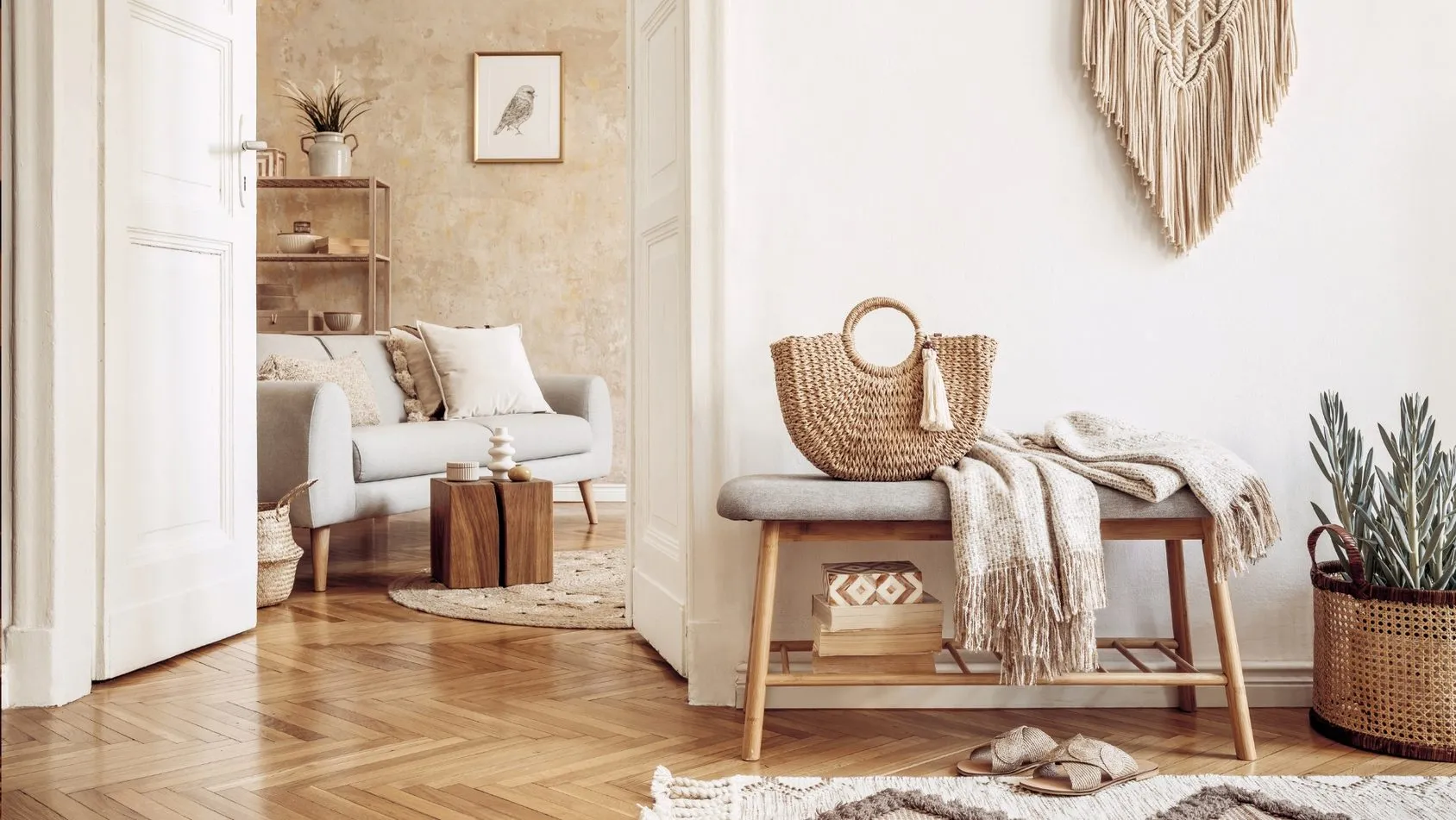
Thanks to new trade routes, goods from Asia, Africa and South America reached Europe much more easily. The famous silks, ceramics, Indian fabrics and African sculptures became available on European markets and quickly won favour with high society, which valued anything that might impress the neighbours.
Colonial conquests supplied not only raw materials but also aesthetic inspiration from the most remote corners of the world. Let's imagine rooms where intricately decorated Chinese ceramics are displayed on cast-iron side tables, oriental tapestries cover the parquet floors, and instead of classic furniture, African stools stand at the table. Attracting attention at all costs - that's the main goal!
In the industrial era, exotic accessories were a status symbol, and interiors (sometimes literally) referenced the world's greatest cultures - even though most of the hosts had never left their own country, let alone visited other continents. New acquisitions made it possible to compete for the most beautiful and most surprising interiors, and if, somewhere at the back of our minds, a light bulb is starting to go on that this was exactly when snobbery was born, we are probably on the right track.
The Role of Exhibitions and Patterns
But let's get back to specifics. The year 1851 is written in letters of gold in the history of interiors, all thanks to an extraordinary event. The first World's Fair not only attracted the attention of art lovers but also established London's position as the capital of innovation, creativity and top-class craftsmanship.
In 1850, the Royal Commission for the Exhibition of 1851 was set up, a commission whose aim was to organise the Great Exhibition. Its chairman was Prince Albert (Queen Victoria's husband), who, together with other members of the British royal family and representatives of industry and the arts, devised a format for showcasing the latest technological achievements of both Great Britain and other countries.
Mainly Great Britain's, though.
The best exhibition in the world
To say that everything at this exhibition was exceptional is an understatement. Hyde Park in London, chosen as the venue, became the setting for the Crystal Palace - a structure that bowled the world over. It was designed by Joseph Paxton, who specialised in buildings of glass and cast iron. The huge, luminous building provided 92,000 m² of exhibition space on several levels, with room for 13,937 exhibitors from 44 countries.
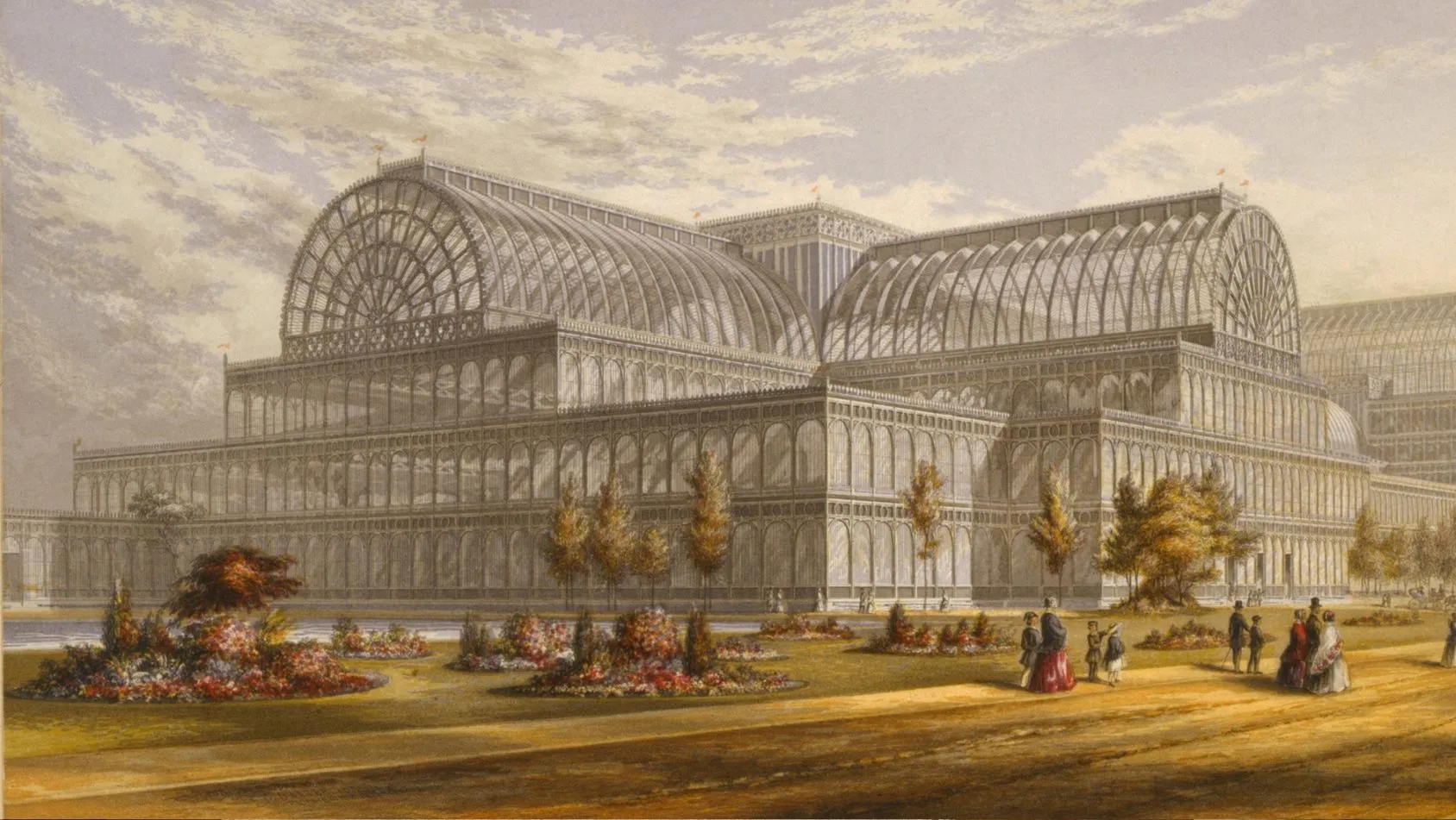
Visitors (who had to pay a small fortune to get in - the equivalent of £130 today!) were greeted by an astonishing repertoire. The stand owners made sure that even those guests who had no connection with industry had no chance of getting bored. So there were machines in action as well as staged demonstrations showing the entire production process. The exhibition saw the debut of such inventions as the forerunner of today's fax machine, the world's first vote-counting machine and… an alarm-clock bed that tipped sleepyheads onto the floor at the set time.
Diamonds, prehistoric beasts and beds straight out of a nightmare
One hugely popular display let visitors see up close the Koh-i-noor, one of the largest diamonds in the world, and a reconstruction of a certain prehistoric animal. We say "certain" because the author of that reconstruction, the palaeontologist Richard Owen, was only just starting to spread the name he had coined: "dinosaur".
Among the premieres, it's also worth mentioning the first paid public toilets, built for male visitors; an invention as necessary as it was unrefined (the sewage was discharged straight into the Thames). How the ladies managed their hygiene during the exhibition remains a mystery to this day.
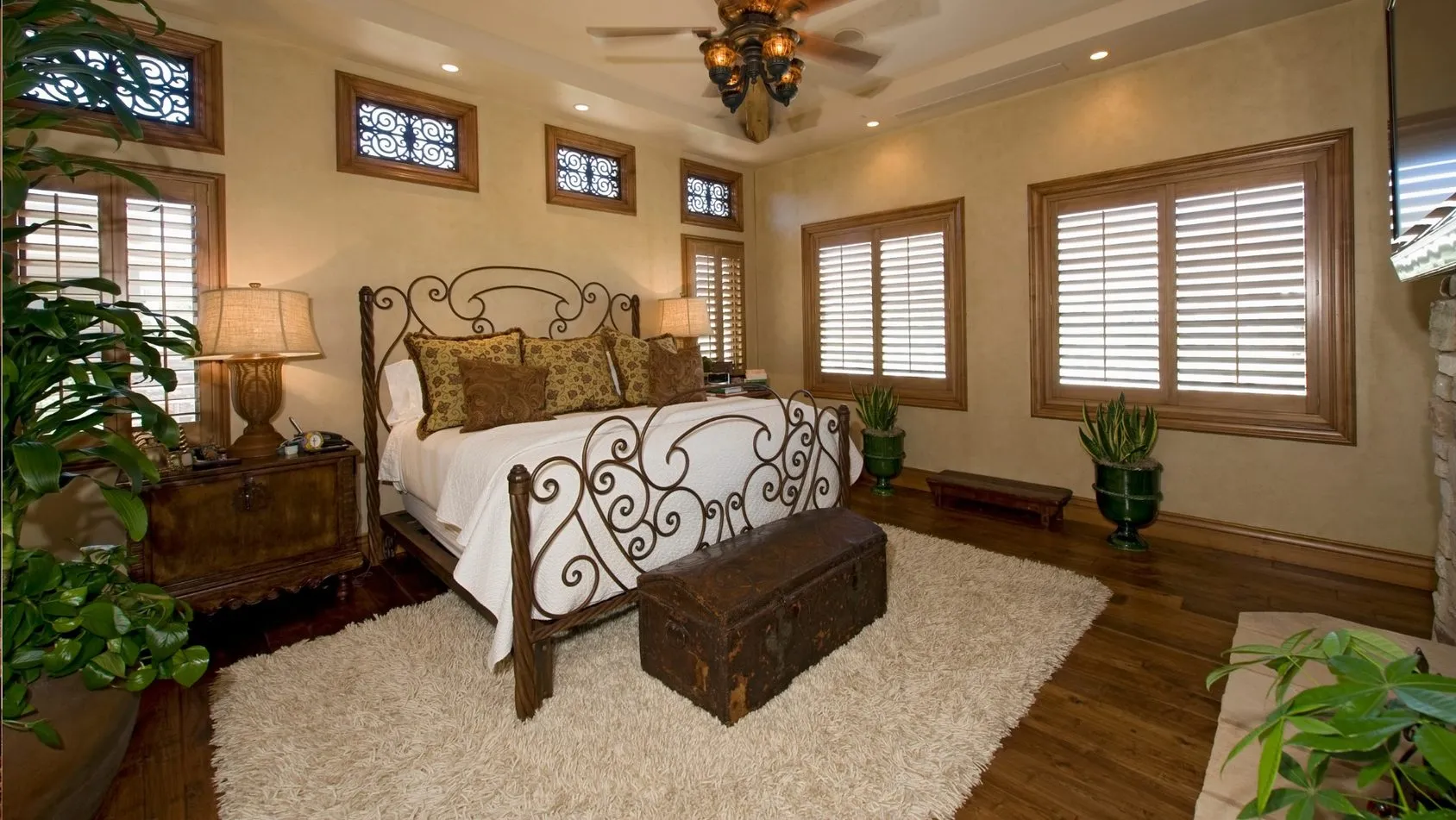
The exhibition presented the latest achievements in furniture making, decorative arts, textiles and lighting. Visitors had the chance to see the latest collections of elegant sofas, intricate gas lamps, and wallpapers and fabrics in stunning patterns. The Victorian style led the way, with its wealth of ornament, floral patterns and classical details, but visitors' attention was also drawn to flowing forms heralding the coming Art Nouveau. The exhibition also contributed to the growing popularity of the Arts and Crafts style, led by William Morris - an outstanding designer of furniture, textiles and graphics.
The World's Fair, a symbol of the Industrial Revolution, not only cemented the position of craftsmanship but also helped popularise new trends… and consumerism. Just as every coin has two sides, the Industrial Revolution brought both outstanding and negative phenomena into the world of design. But that's a topic for another, longer story, which we will develop in future articles.
Stay tuned!