In the whirl of interior design, where aesthetics intertwine with functionality, our roles as designers demand not only an artistic eye and technical precision, but also project management skills, effective communication with clients and - most importantly - the ability to manage our own time and energy.
Most of our projects are a race against time. A multitude of different tasks in which many of us have probably got lost more than once.
That's why it's very important to build good work habits that will become a source of security, quality and a protective shield against the burnout that threatens us.

Why build good work habits?
Good work habits are not just a matter of being organised or being able to manage your time. They're also about our approach to creativity, the way we build relationships with clients, and taking care of ourselves, so that work not only brings satisfaction but is also balanced and leaves room for moments of rest and recovery.
So which habits can we - interior designers - nurture so that they translate into our professional success and personal satisfaction?
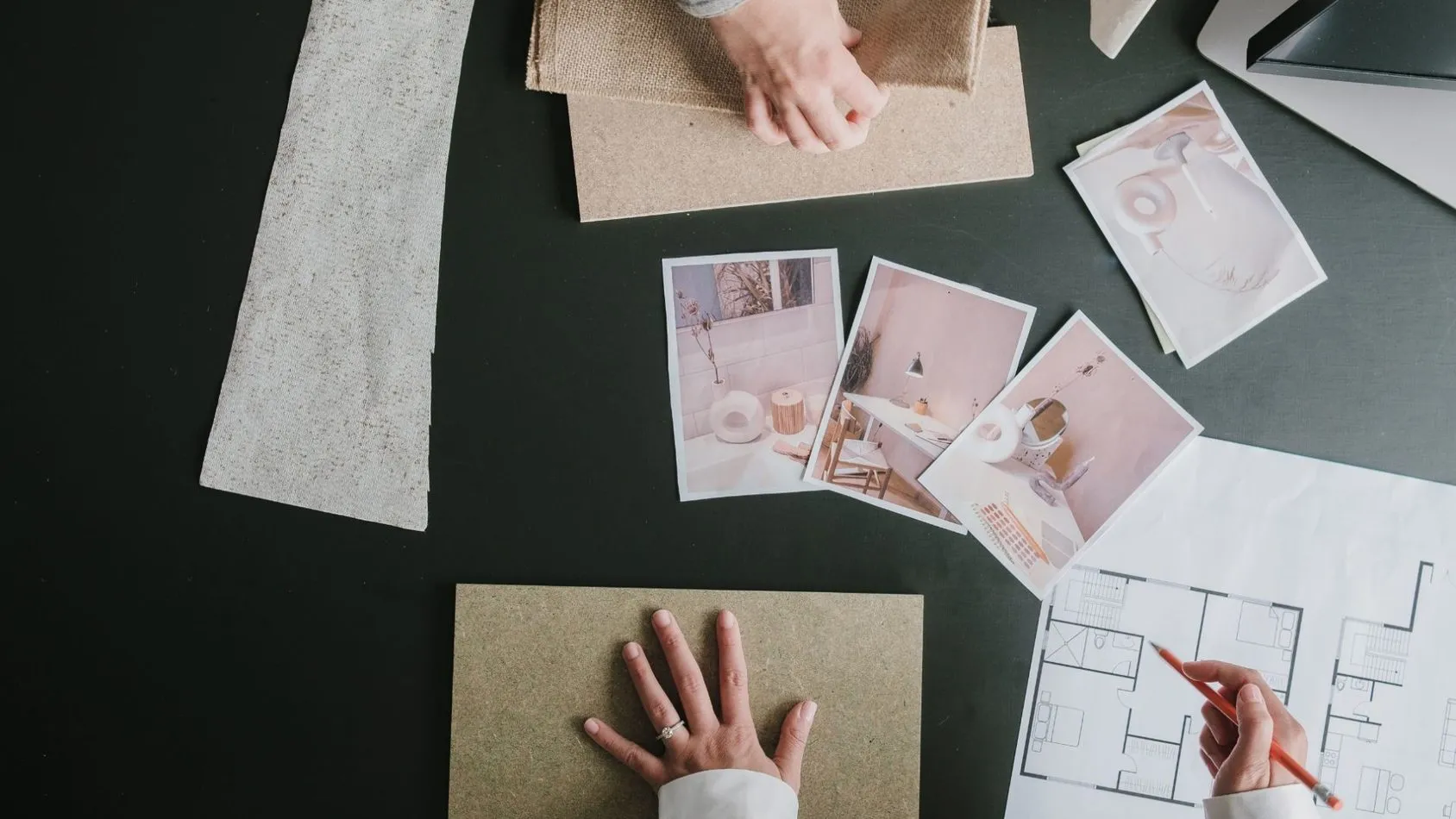
3 effective habits in an interior designer's work.
Here's a rundown of 3 habits that I've found effective and that have brought a lot of good to my work process.
They have not only helped me streamline my work on projects, but also helped improve my relationships with clients, kept my creativity going and allowed me to keep my passion, despite the pressures and challenges of our industry.
1. Regular work planning.
Planning your work isn't just pages in a calendar or to-do lists. It's the foundation on which we build our professionalism and successfully turn our clients' dreams into reality.
Let's imagine a scenario in which you have several projects on the go at once. One of them is a spacious flat for a young family who want to combine modernity with functionality; the other is a cosy studio for an artist, where every element is meant to inspire creativity. Without a solid plan and organisation, it's easy to get lost in a thicket of ideas, deadlines and expectations.
My projects are my works of art, but my organisation is my safety net.
So it's worth developing the habit of planning your work regularly. I don't mean planning how the whole project will be carried out, which is just as important, but planning your day, week, month and so on.
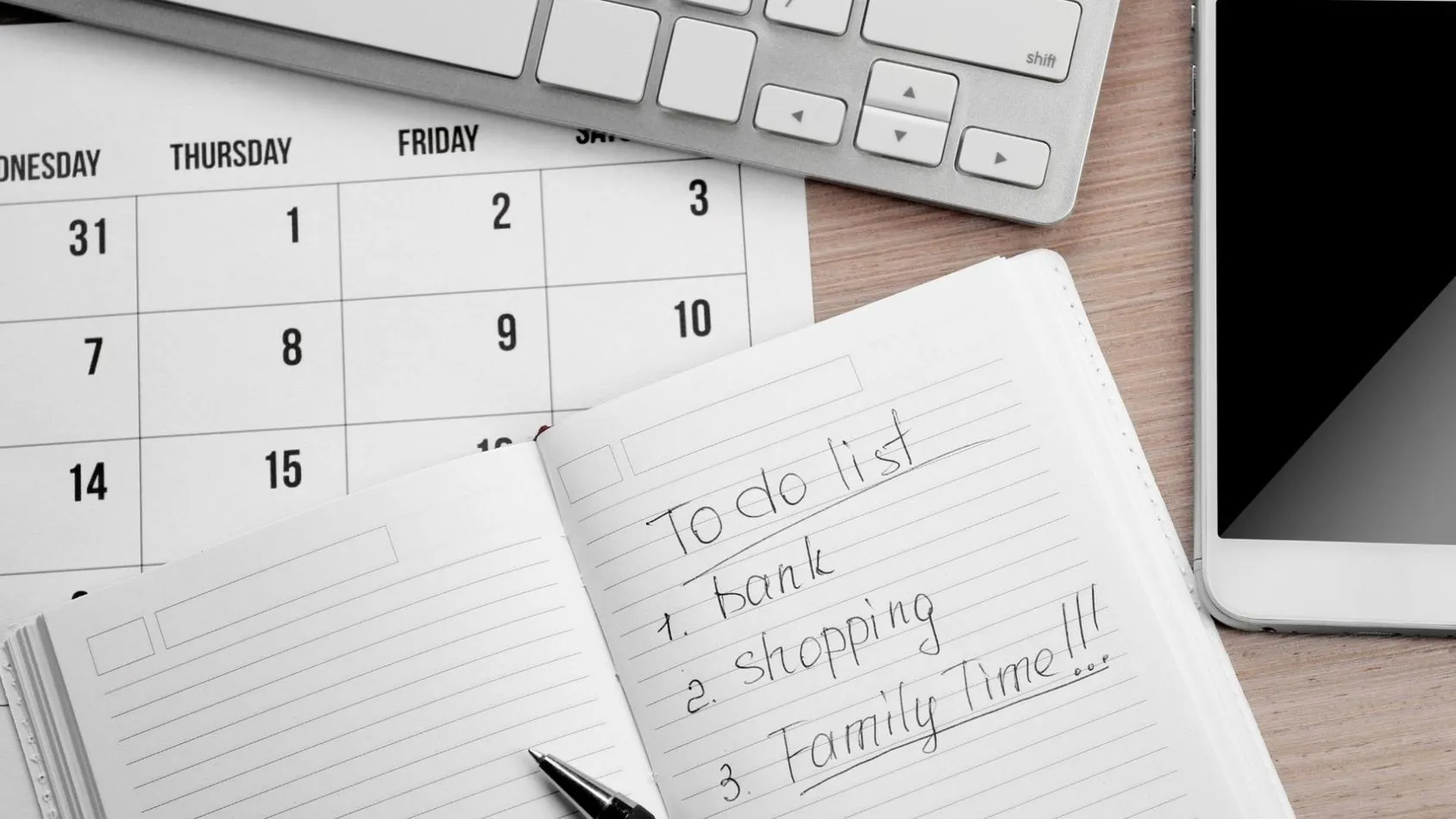
The benefits of planning.
Introducing regular planning brings many benefits!
- It lets you keep track of progress as you go.
- It frees your mind from thinking about which tasks lie ahead and whether you've forgotten anything.
- It lets you schedule your next steps over time.
- It increases your efficiency.
- It builds your motivation by showing your progress.
My experience has shown me that planning is more than just a way to manage a project effectively.
Planning gives me a sense of security, because I'm in control of what's happening in the project. Of how it's progressing. Thanks to that, I don't have to worry whether I've missed something important, or think about what the next step is.
It gives me a guarantee that the project will be carried out successfully and without unnecessary stress from time pressure or urgent tasks.
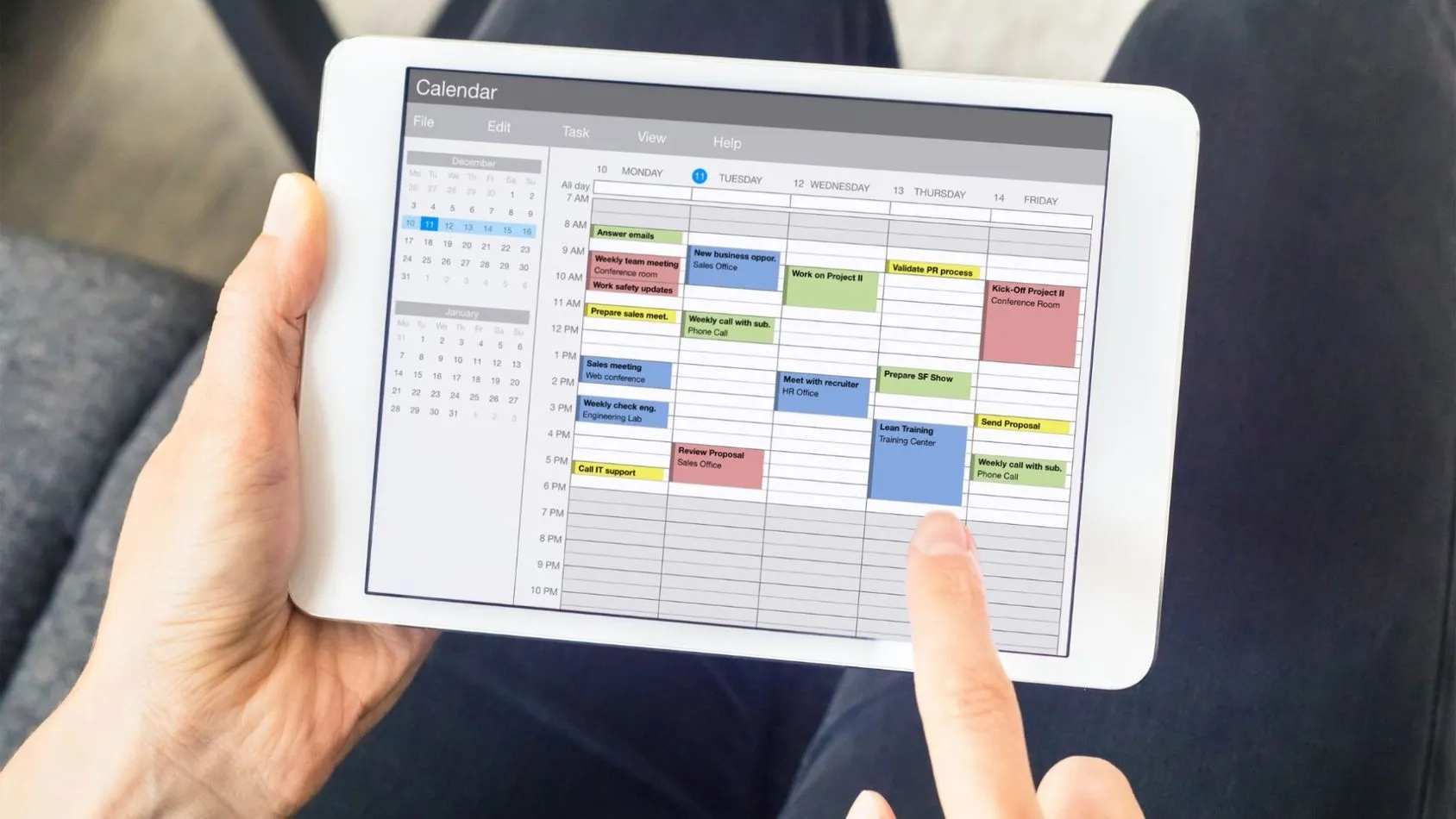
That's why building the habit of regular work planning is key to making our work a source of satisfaction every day!
I wrote about "How do you plan your week effectively?" in one of my recent articles. I also recommend the article "5 ways to deal with feeling overwhelmed by work?", which will show you how to put your tasks in order.
2. Rest.
Making time for rest and keeping a work-life balance in an industry where creativity is worth its weight in gold can seem like a luxury not all of us can afford.
Paradoxically, it's precisely the moments of breathing space and distance from work that let us recharge our creative batteries and approach a project with fresh energy.
Working late into the night, weekends spent over plans and visualisations, and free time, if it exists at all, filled with thoughts of upcoming deadlines. And on top of that, the house, the kids, the husband.
That's a scenario for looming health problems and burnout, to which we interior designers, of all people, are highly vulnerable.

We often see making time for rest as something selfish. Something we do only for ourselves and that benefits only us.
This attitude makes it easy for us to give up rest in order to meet the expectations of a client who, for example, wants to meet us in our free time. But is that the right way?
Taking care of rest is an investment in the quality of our work.
By stepping away from everyday challenges or projects, we become more creative, efficient and focused. And as a result, we deliver better, more polished designs for our clients and protect ourselves from the mistakes that tiredness can bring.

Plan your rest.
The habit of taking care of rest goes hand in hand with the habit of regular work planning. When you plan your tasks for the next day, week, month or year, plan time for rest.
I know from my own experience that when I'm working on a project or several, the temptation to leave free time out of my plans, or not to stick to days off or evenings I've already planned, can be hard to resist.
However, this is also the moment when we can develop the habit of making time for rest, which matters for our health and job satisfaction - the habit of taking care of ourselves.

An inseparable part of our work is working with clients, whom we sometimes simply can't say no to, paying the price with our free time. I wrote about how to deal with difficult clients in the article "How can you be assertive? Ways to deal with difficult clients".
3. Looking for new solutions.
As interior designers, we're constantly looking for new functional solutions, design inspiration and furnishings, to delight our clients and meet their needs.
But it's worth asking yourself: how often do you look for solutions that support you in your work?
Building the habit of looking for new solutions, and also testing them, can bring many benefits to you and your clients, and raise the quality and competitiveness of your services

Over my years of working as an interior designer, I was always looking for solutions that would streamline my work. I tested various solutions that were supposed to help me organise my working time better, manage projects or improve communication with clients.
I built the habit of looking for new apps, software and management methods.
Setting aside time to look for "new things" helped me discover many great solutions that streamlined my design process. Using them helped me save time that I could spend on rest or on the more creative parts of a project.
And that helped improve the quality of my work, my relationships with clients and increased my satisfaction with designing interiors.

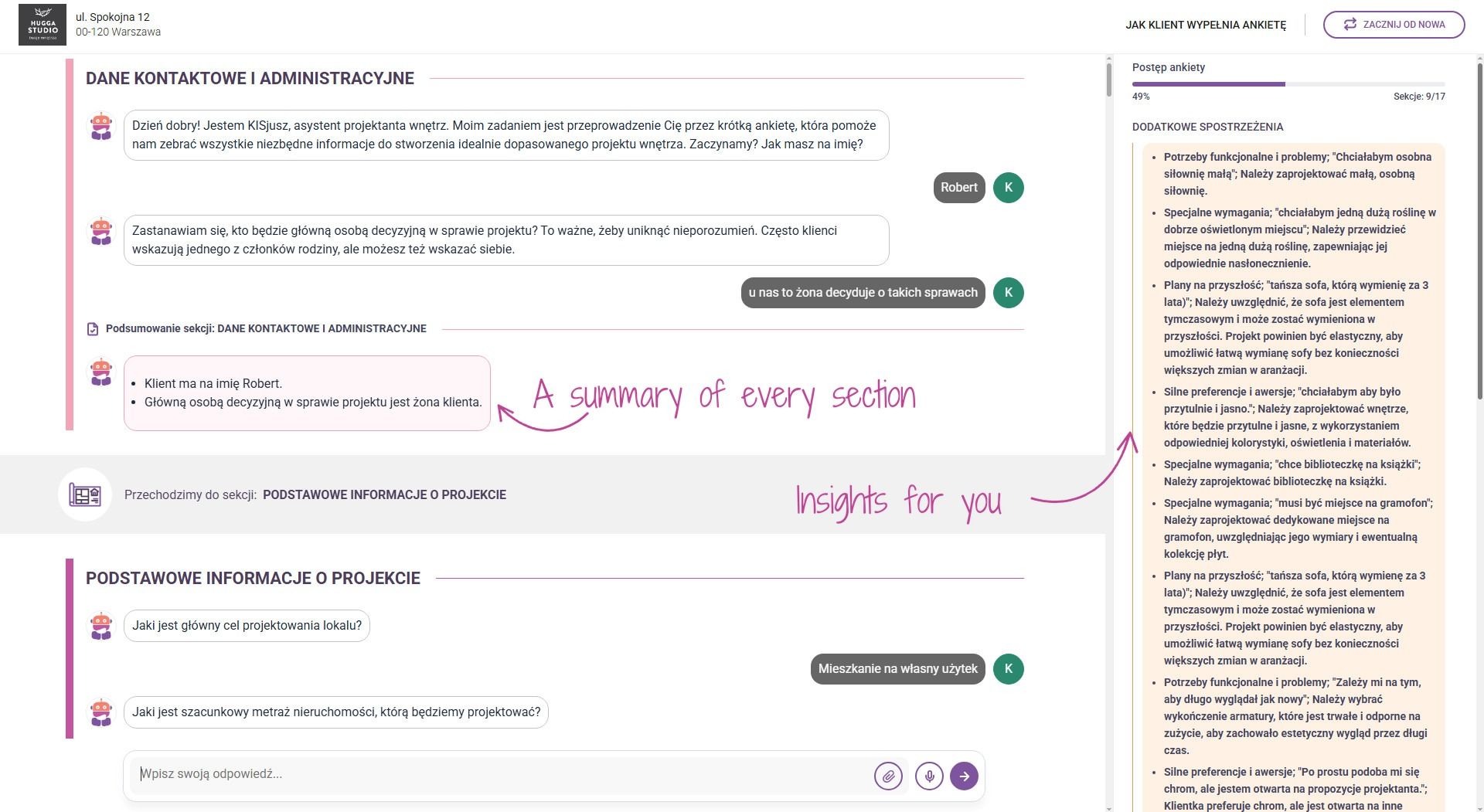
It was precisely the habit of looking for solutions that led to the creation of KIS List, a tool that automates the most tedious part of our work: creating the shopping list for an interior design project.
We never know where our search will lead us.
But how do you find the time, in the sea of tasks we have to do on a project, to learn a new app or explore time management methods?
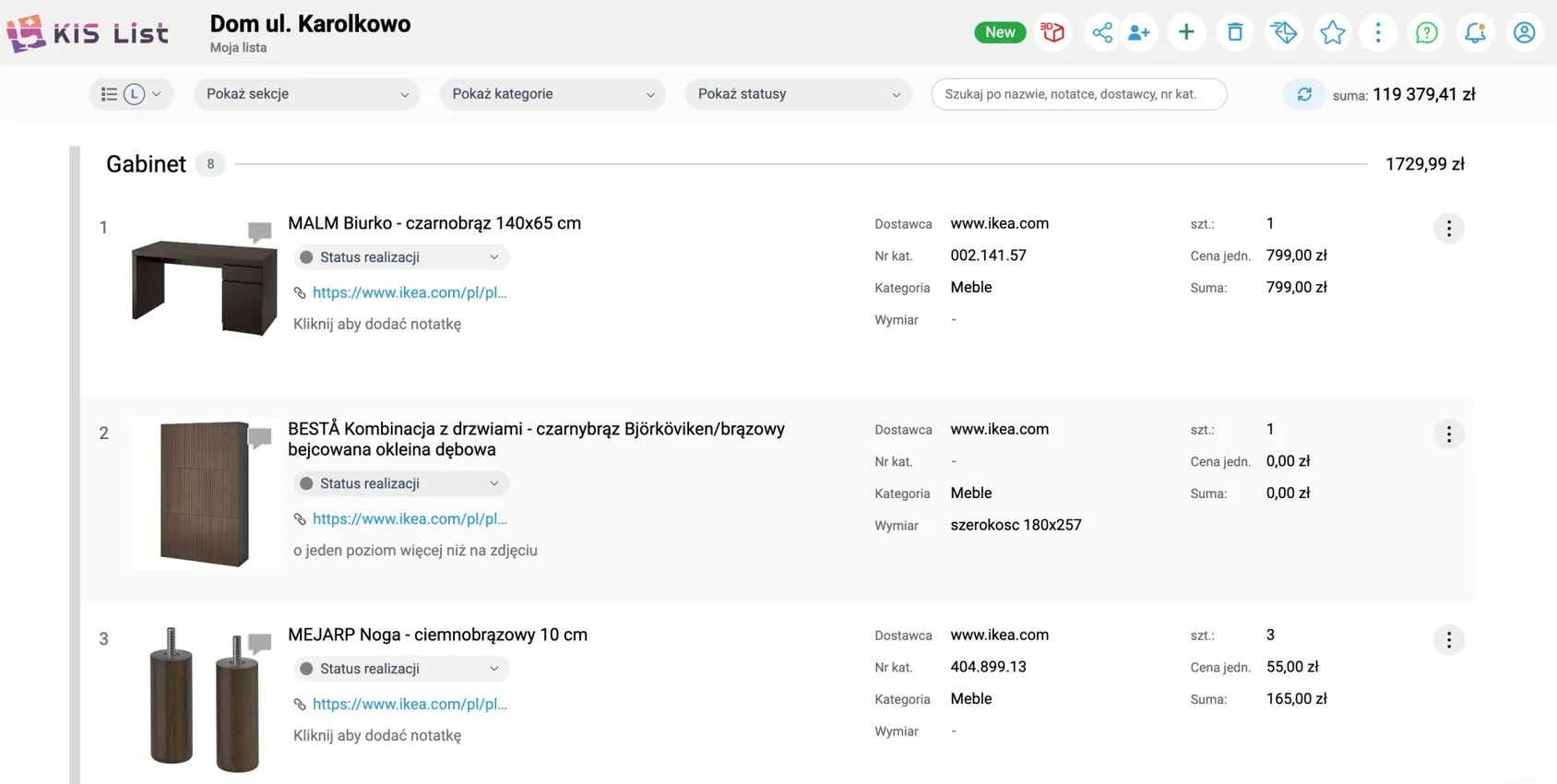
Set aside time to explore.
Just as with the habit of taking care of rest, here too we come back to regular planning.
Habits are formed through repetition. That's why it's worth setting aside time in your plan for discovering new possibilities.
You don't have to dive into piles of books straight away or learn every feature of an app in one day. No. It's enough to regularly learn a little more and test a new feature.
By doing this regularly, you keep growing, streamline your work process, get better organised and test solutions that will quickly pay off in the future.
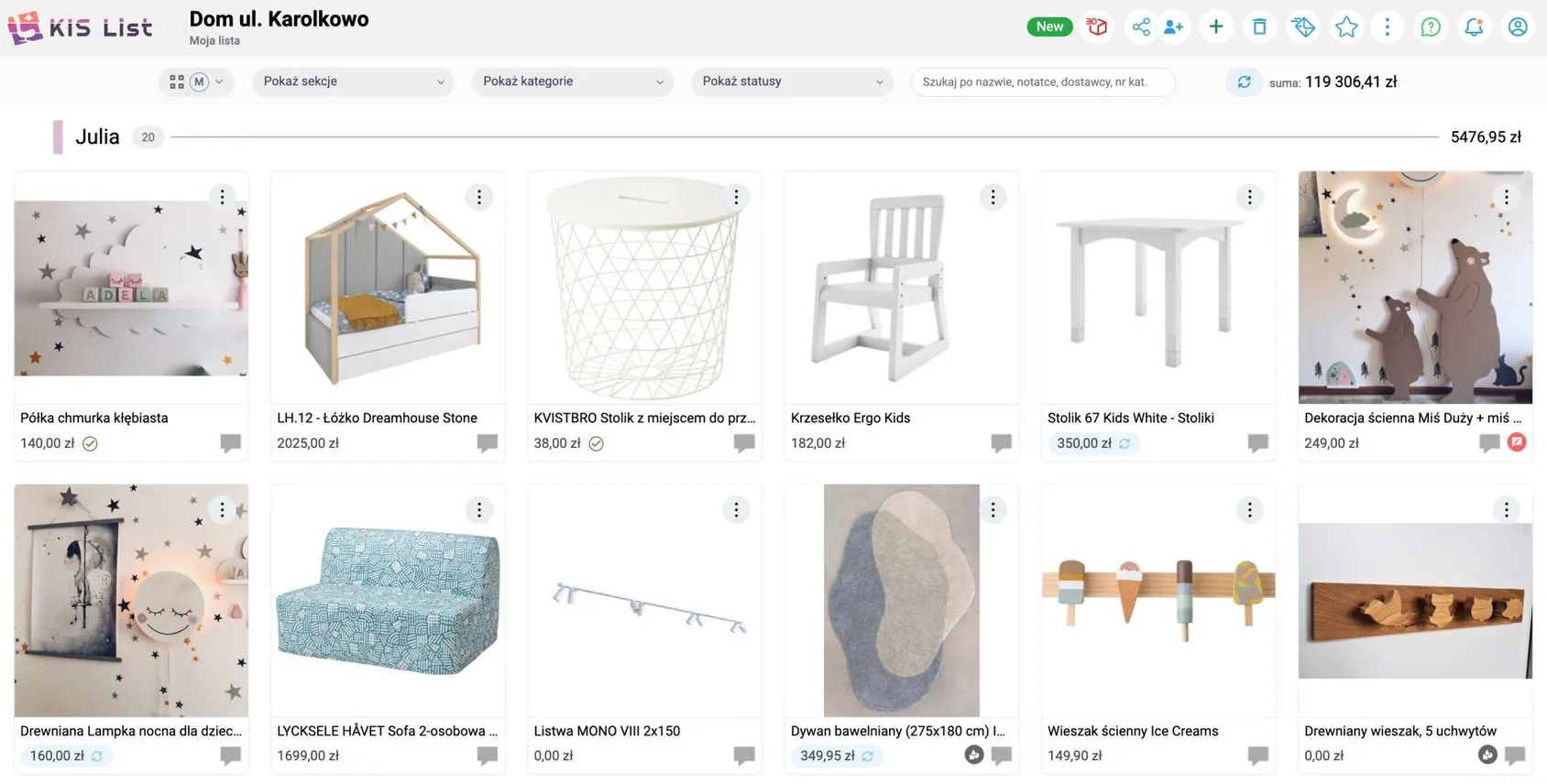
One of those tools that will transform your work and save you a good chunk of your time is the KIS List app. If you don't know it yet, take a look at the article "KIS List - an app for interior architects".
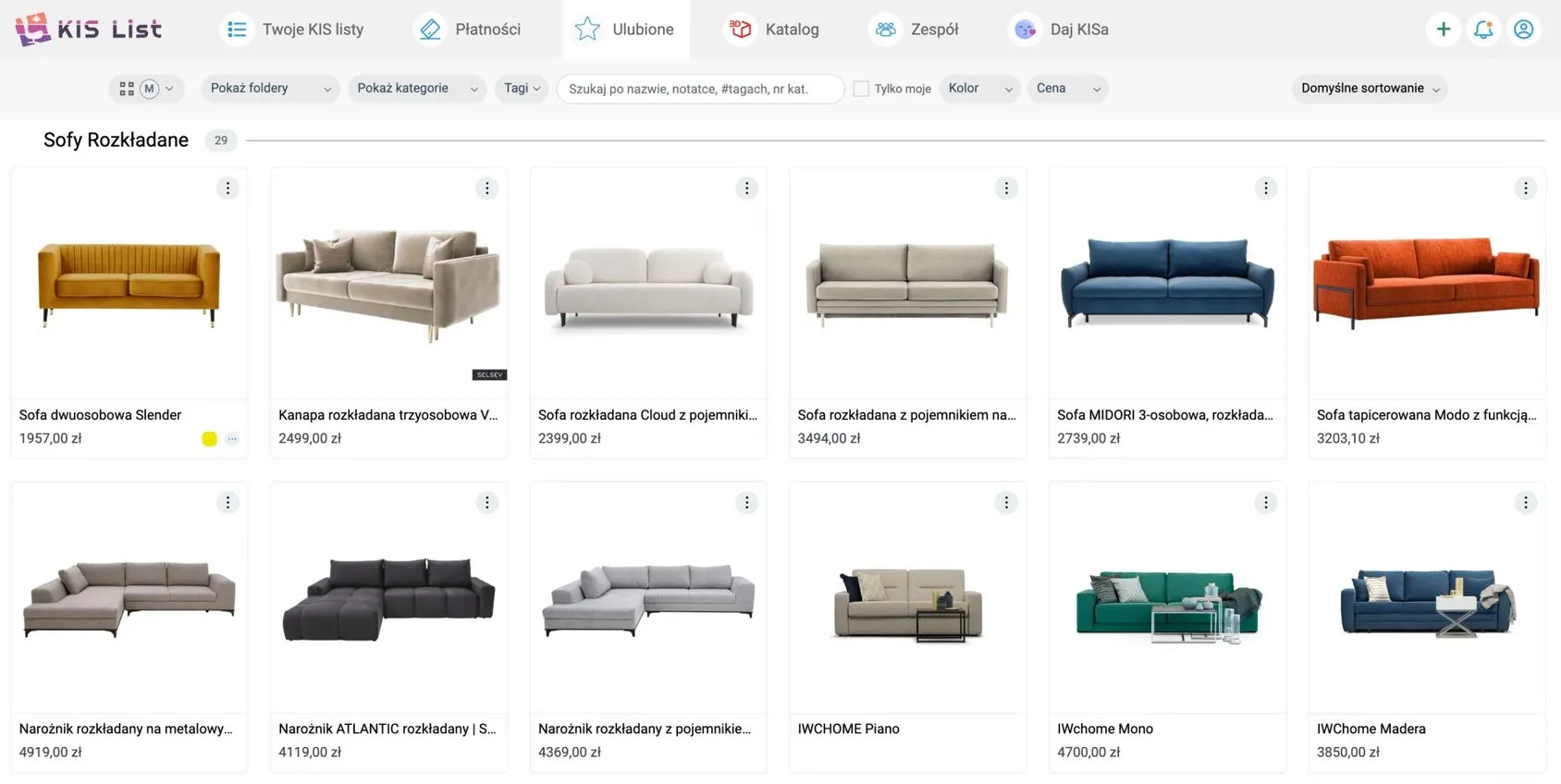
And if you already use KIS List, I encourage you to explore what the favourite products library in KIS List can do for you.
Good work habits are the path to working with passion.
To finish, I'd like to stress one very important thing. Developing habits, whether at work or in your private life, won't happen overnight. But the most important thing is to keep trying and strive for excellence.
You won't always manage to create the perfect work plan, and you won't always be able to resist the temptation to skip your day off. You won't always find the energy to look for and introduce new solutions.
But remember that we all go through this. Regardless of professional experience. The most important thing is not to give up and to build your habits step by step.